
Lawn
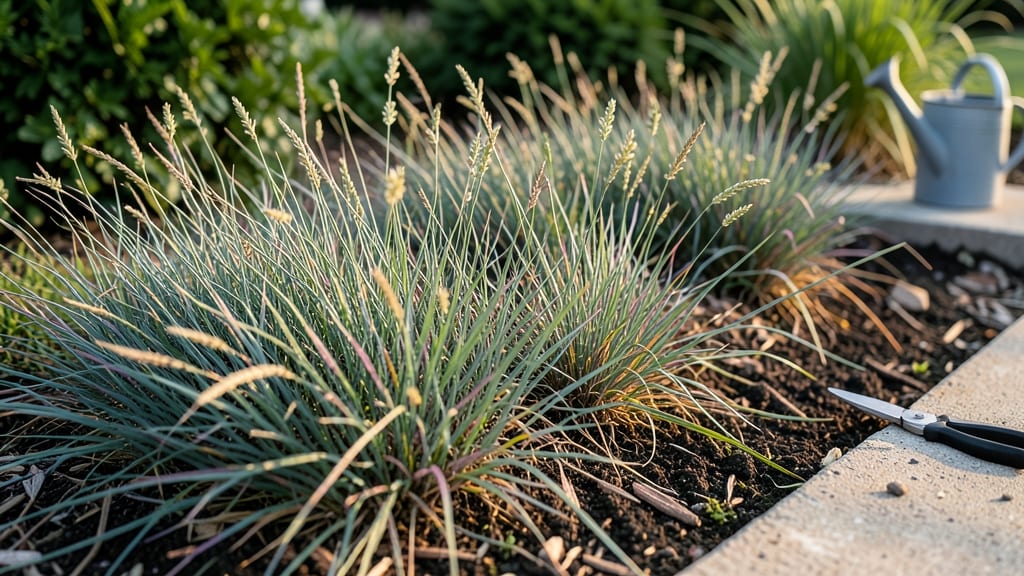
Your brown grass plant isn’t a lost cause—it’s just telling you something needs to change. 🌱 The good news? Most brown patches respond to basic fixes like watering, mowing, or soil checks.
I’ve nursed back lawns from patchy to lush green in just a few weeks using these three core steps, and you can too. Start by checking the soil—dry, compacted, or waterlogged ground strangles grass roots.
A simple deep watering (1 inch per week) often wakes up dormant blades faster than you’d expect. Overwatering, though, is just as guilty—yellowing grass often hides a root system drowning in soggy soil.
What you’ll end up with is a lawn that bounces back from stress, stays disease-resistant, and greens up faster after heatwaves or drought. The key is acting fast before the brown spreads, and knowing which fixes apply to your specific problem.
Works for all grass types, from cool-season Kentucky bluegrass to warm-season Bermuda. Let’s get your lawn breathing easy again!
The real culprits behind wilting grass
Understanding why your grass turns brown is the first step to bringing it back to life. 🌱💦 Let’s break down the most common causes—each with a clear, science-backed explanation so you can pinpoint the issue and take action.
Grass is made up of 80-90% water, and when it doesn’t get enough, cells lose turgor pressure, causing blades to dry out and turn brown. This isn’t just about thirst—it’s about osmotic stress, where roots struggle to absorb moisture from dry soil.
What’s happening?
- Shallow roots (common in new lawns or weak grass) can’t reach deep water sources.
- Clay or compacted soil repels water instead of absorbing it, leaving roots parched.
- Overwatering followed by drought can actually worsen the problem by encouraging shallow root growth.
Actionable fix:
- Water deeply 1-2 times per week (early morning, 6–10 AM) instead of light daily sprinkles.
- Use a soil moisture meter to check depth—grass needs 6–8 inches of moisture in the root zone.
- If your soil is hard, aerate to improve water penetration.
Grass isn’t built for endless sunshine—especially tall fescue, Kentucky bluegrass, or Bermuda grass—which can suffer from heat prostration when temperatures exceed 90°F (32°C) for days.
What’s happening?
- Photosynthesis slows as chlorophyll breaks down under intense UV rays.
- Stomata (leaf pores) close to conserve water, but this also blocks gas exchange, leading to oxidative stress (cell damage).
- Weak or thin grass (from poor soil or disease) burns faster than thick, healthy turf.
Actionable fix:
- Mow higher (3–4 inches) to shade soil and retain moisture.
- Water in the early morning to reduce evaporation and fungal risks.
- Use shade cloth (30–50% coverage) if your grass is in full sun with no relief.
Brown grass often looks straw-like or yellowish-brown because it’s starving for nitrogen (N), the building block of chlorophyll. Without it, grass can’t produce the energy it needs to stay green.
What’s happening?
- Low organic matter (like compost or decomposed plant material) depletes nitrogen over time.
- Over-fertilizing with phosphorus/potassium (common in synthetic fertilizers) can lock out nitrogen availability.
- pH imbalances (soil too acidic or alkaline) prevent roots from absorbing nutrients.
Actionable fix:
- Test your soil (DIY kits or a local extension office) to check nitrogen levels and pH.
- Apply a slow-release nitrogen fertilizer (like 25-0-5 or compost tea) in early spring or fall.
- Top-dress with compost (¼ inch layer) to improve soil structure and microbial activity.
Brown patches that spread unevenly or have blackened, slimy, or chewed blades are often caused by grubs, chinch bugs, or fungal infections like brown patch or dollar spot.
What’s happening?
- Grubs (larvae of beetles) eat roots, causing grass to pull up easily and turn brown in patches.
- Chinch bugs pierce stems to suck sap, leaving stippled, dry brown spots that expand rapidly.
- Fungal diseases thrive in humid, warm conditions (75–85°F) and thatch buildup, creating brown, circular dead zones.
Actionable fix:
- Inspect soil for grubs (dig a 2x2-inch square—more than 5–10 grubs per square = treat with beneficial nematodes or milky spore).
- Check for chinch bugs by flipping over brown patches—look for tiny black bugs.
- Improve drainage and reduce thatch (dethatch if >½ inch thick) to prevent fungal growth.
- Apply fungicide (like propiconazole) if brown patch or dollar spot is confirmed.
Even the hardiest grass can turn brown from physical or chemical damage that disrupts root health.
What’s happening?
- Soil compaction (from foot traffic, heavy machinery, or clay soil) crushes roots, reducing oxygen and water access.
- Salt buildup (from de-icing or poor-quality water) burns roots and alters soil chemistry.
- Herbicide drift or pet urine can cause bleached or crispy brown patches in localized areas.
Actionable fix:
- Aerate compacted soil in fall or spring, then top-dress with sand or compost.
- Flush soil with fresh water if salt buildup is suspected (test water hardness first).
- Rinse herbicide-damaged areas with water and avoid further chemical exposure for 2–3 weeks.
Some grass types naturally brown in heat or drought if they’re not suited to your region. For example:
- Cool-season grasses (like Kentucky bluegrass) go dormant in summer heat.
- Warm-season grasses (like Zoysia) struggle in freezing temps and turn brown until spring.
Actionable fix:
- Know your grass type—check seed labels or consult a local nursery.
- Adjust watering to match your grass’s needs (e.g., deep, infrequent watering for warm-season grass in summer).
- Consider overseeding with a drought-tolerant mix (like fine fescue) if your current grass can’t handle your climate.
Pro Tip: 💡 Keep a lawn journal! Note when brown spots appear, weather conditions, and any treatments. Patterns will help you predict and prevent future issues.
Revive Your Dull Lawn Now
Seeing patches of brown grass can be frustrating, but the good news is that most issues have simple fixes—if you know the right steps. Below, we’ve mapped the most common causes to actionable solutions, so you can get your lawn back to lush green in no time.
Plus, we’ll share pro tips to keep your grass thriving long-term!
Grass that’s either too dry or drowning in water turns brown quickly. The key? Balance.
💧 Adjust Your Watering Routine
- For underwatered grass: Water deeply 1–1.5 inches per week (including rainfall). Use a rain gauge or tuna can to measure.
- For overwatered grass: Let the top 2–3 inches of soil dry out between waterings.
Avoid daily light sprinkles—opt for longer, less frequent sessions (early morning is best). - Test your soil: Stick a screwdriver in the ground—if it goes in easily, you’re overwatering. If it feels dry, it’s time to hydrate.
🌱 Improve Drainage
- Aerate compacted soil with a core aerator to help water penetrate.
- Rake away thatch (the spongy layer between soil and grass) if it’s over ½ inch thick.
- 💡 Pro Tip: If your lawn has low spots, consider adding a thin layer of sand or compost to boost drainage.
Intense heat or drought stress can turn grass brown, but it often recovers with the right care.
🌿 Provide Temporary Relief
- Mow higher (set your lawnmower to 3–4 inches) to shade the roots and retain moisture.
- Apply a light layer of mulch (straw or wood chips) to protect soil and reduce evaporation.
- Water in the early morning to minimize evaporation and fungal risks.
🌱 Boost Recovery with Fertilizer
- Use a slow-release, high-nitrogen fertilizer (like 24-0-4) to encourage regrowth.
- Avoid heavy fertilizing in extreme heat—it can stress the grass further.
💡 Pro Tip:
If brown patches persist, they might be dormant grass—wait for cooler weather before expecting full recovery.
Grubs, chinch bugs, or fungal infections can wreak havoc on your lawn. Act fast to stop the spread!
🐜 Identify the Culprit
- Grubs: Dig up a small patch—if you see white, C-shaped larvae, you’ve got grubs.
- Chinch bugs: Look for small black bugs on blades or yellow patches in sunny spots.
- Fungus: Check for circular brown rings, slimy spots, or moldy growth.
🛡️ Apply Targeted Solutions
| Problem | Fix It With This | Prevent It With |
|---|---|---|
| Grubs | Apply beneficial nematodes or grub killer (like imidacloprid). | Encourage natural predators (birds, toads). |
| Chinch Bugs | Use neem oil or insecticidal soap early in the season. | Keep grass healthy and mow high. |
| Fungus | Treat with fungicide (like propiconazole) and improve airflow. | Water in the morning and avoid over-fertilizing. |
💡 Pro Tip:
For organic fixes, milky spore powder works well against grubs, while baking soda (1 cup per gallon of water) can combat some fungal issues.
Once you’ve addressed the root cause, give your grass the best chance to bounce back.
🌱 Overseed Bare Spots
- Best time: Late summer or early fall (when soil is warm but air is cooler).
- How to: Spread high-quality grass seed (like tall fescue or Kentucky bluegrass) over bare patches. Lightly rake and water gently to keep soil moist.
💧 Keep Soil Moist (But Not Soggy)
- Water lightly 2–3 times daily for the first 2 weeks to help seeds germinate.
- Once seedlings are 2 inches tall, switch to deep, infrequent watering.
🌿 Avoid Heavy Foot Traffic
- Let new grass establish for 4–6 weeks before walking on it.
Don’t let brown grass become a recurring problem—stay ahead with these habits!
- 🌡️ Mow at the Right Height: Follow your grass type’s ideal height (e.g., 2–3 inches for cool-season grasses).
- 📅 Fertilize Smartly: Use a slow-release fertilizer 2–3 times per year (spring, summer, fall).
- 🍂 Aerate Annually: Improves water and nutrient absorption, especially for high-traffic lawns.
- 🌧️ Test Your Soil: Use a DIY soil test kit to check pH and nutrient levels—adjust with lime or compost as needed.
- 🌱 Choose Drought-Resistant Grass: If your area has water restrictions, consider Buffalo grass or Zoysia for better heat tolerance.
With these fixes, your lawn should start showing signs of recovery in 2–4 weeks. Patience is key—consistent care will have your grass looking vibrant again in no time! 🌿✨
Frequently asked questions
Why does my grass turn brown in patches even when I water regularly?
Patchy browning often signals root damage from grubs, chinch bugs, or fungal infections like brown patch. Dig up a small area—if you see white grubs or tiny black bugs, pests are the culprit. Fungal issues thrive in humid conditions (75–85°F) and create circular dead zones. Test soil moisture at the root level (6–8 inches deep)—even regular watering may not reach compacted areas.
Can I save my lawn if it’s completely brown and crunchy?
It depends! If the brown is from dormancy (common in cool-season grasses like Kentucky bluegrass in summer), wait for cooler weather—it may green up naturally. For dead grass, overseed bare spots in late summer/fall with drought-resistant seed (like fine fescue) and keep soil moist for 2–3 weeks. If roots are alive (dig a small patch—white roots = hope!), water deeply and fertilize with high-nitrogen to encourage regrowth.
How do I know if my grass needs more water or less?
Use the screwdriver test: Push a screwdriver into the soil—if it goes in easily, you’re overwatering. If it feels dry at 2–3 inches deep, it’s thirsty. Water deeply 1–2 times per week (early morning) for 1–1.5 inches total (rain counts!). Yellowing with soft, spongy soil = overwatering; crispy blades that pull up easily = underwatering. Adjust based on your grass type—warm-season grasses (like Bermuda) need deep, infrequent water, while cool-season grasses prefer consistent moisture.
Will mowing taller grass help prevent browning?
Mowing grass 3–4 inches tall shades roots, retains moisture, and reduces stress from heat/drought. For cool-season grasses (like fescue), keep it at 2.5–3.5 inches in summer; warm-season grasses (like Zoysia) thrive at 1.5–2.5 inches. Never remove more than ⅓ of the blade height at once—this weakens grass and makes it more susceptible to browning. Sharpen mower blades too: dull blades tear grass, inviting disease.
Is it safe to use vinegar or household items to kill weeds in brown grass?
No—vinegar, salt, or bleach will burn your grass permanently and harm soil microbes. For spot treatment, use a selective herbicide (like 2,4-D) labeled for your grass type, or pull weeds by hand. If your lawn is already struggling, focus on reviving the grass first—thick, healthy turf naturally crowds out weeds. For organic options, try corn gluten meal (pre-emergent) or boiling water (for stubborn dandelions) in small, controlled areas.