
Companion Plants
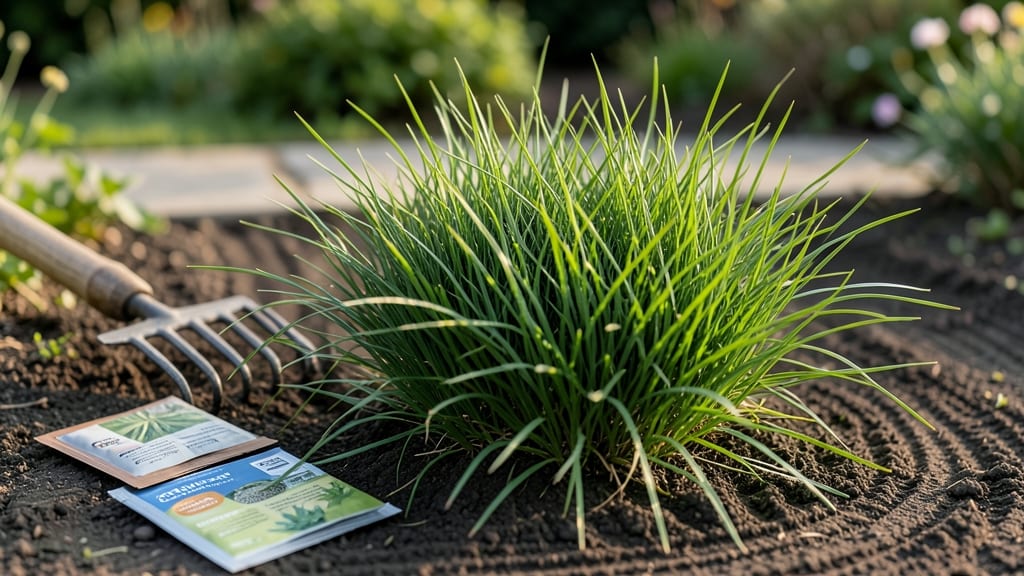
Planting grass seed in the fall gives it 4-6 weeks to grow strong roots before winter 🌱—and timing it right makes all the difference.
If you’ve ever watched a spring lawn patchy and weak, you know how much a head start in fall matters. The secret isn’t just picking a month—it’s reading your local frost date, soil warmth, and even daylight hours to lock in success before the ground freezes.
Most regions thrive with seed in the ground by mid-October, but cooler climates like Zone 6a need to start earlier. Too late, and the grass struggles to root; too early, and weeds steal the show.
I’ll walk you through the exact window, soil prep tricks, and how to tell if your lawn is on track—or heading for failure.
By the end, you’ll know not just when to plant, but how to set your new grass up for a thicker, greener spring than ever before.
Best fall months to plant grass seed for maximum root growth
Fall is the perfect time to plant grass seed because cooler temperatures and reduced weed competition give seedlings a fighting chance to establish deep roots before winter.
The ideal window is typically 4–6 weeks before your first frost, which for most of the U.S. falls between mid-September and late October. This timing ensures your grass has enough time to germinate, grow, and develop a strong root system before the ground freezes.
Why does this matter? Grass planted in fall benefits from moderate soil temperatures (between 60–75°F) and longer daylight hours that encourage steady growth without the stress of summer heat.
Unlike spring planting, fall seeds avoid the intense competition from weeds and have a head start on spring lawns, often resulting in a thicker, greener yard by next summer.
But timing isn’t one-size-fits-all. Your local climate zone plays a huge role in determining the best window for planting. For example, Northern states (like Minnesota or Maine) may need to plant as early as late August, while Southern states (like Texas or Florida) can extend planting into November.
The key is to aim for a 6–8 week growth window before the first hard frost.
Soil conditions are just as critical as timing. Before planting, test your soil’s pH level—most grasses thrive in a slightly acidic to neutral range (6.0–7.0). If your soil is compacted or poor, consider amending it with compost or organic matter to improve drainage and nutrient availability.
A well-prepared seedbed ensures your grass seeds can absorb moisture and nutrients efficiently, setting the stage for robust root development.
Once you’ve chosen your planting window, prepare your lawn by removing debris and leveling the soil. Use a rake to create a fine, firm surface for seeds to make contact with the soil.
Lightly water the area before planting to help seeds settle into the soil. Overwatering at this stage can wash seeds away, so aim for a light misting rather than a deep soak.
After sowing, maintain consistent moisture by watering lightly but frequently—about ¼ inch per day for the first 2 weeks. This keeps the soil evenly moist without creating puddles. As seedlings emerge, gradually reduce watering frequency but increase depth to encourage deep root penetration.
By late fall, your grass should be well-established enough to handle light frosts and even snow cover.
One common mistake is planting too close to winter. If you live in a region with early frosts, aim to finish planting by mid-October at the latest. Grass seeds need at least 4–6 weeks of warm soil to germinate and grow.
If you miss this window, your lawn may struggle to recover in spring, leaving you with thin, patchy areas that require extra care to fill in.
To maximize success, pair your fall planting with a light fertilizer application (like a 10-10-10 blend) to provide essential nutrients without overstimulating growth. This helps seedlings develop stronger roots before winter dormancy. Avoid heavy fertilizers, as they can burn tender new growth and stress your lawn.
By planting in the optimal fall window and following these steps, you’ll give your lawn the best chance to thrive next spring. The result? A denser, greener yard that outcompetes weeds and withstands seasonal challenges—all because you timed your planting just right. 🌱
How to adjust planting time by US climate Zone for faster establishment
Your USDA climate zone determines the perfect fall planting window for grass seed. Northern states like Minnesota or Maine need early starts, while Texas or Florida can plant later.
The key is to give seedlings 6–8 weeks of warm soil and cool air before winter dormancy. This ensures strong root establishment before frost arrives.
Most regions target September–October, but exact timing shifts 1–2 weeks north to south. Use your average first frost date as your deadline—plant too late, and seedlings won’t mature before winter. Too early, and summer heat stresses young grass. Balance these factors for optimal germination and overwintering success.
For Northern states (Zones 3–5), aim to plant by September 1st—soil temps drop faster, and seedlings need time to establish roots before mid-October frosts. In Zones 6–7, stretch planting until early October for longer growing windows.
Southern gardeners in Zones 8–10 can plant as late as November, but avoid summer heat, which causes seed desiccation.
Check your local frost dates (USDA Plant Hardiness Map) and count backward 6–8 weeks. For example, if frost hits November 15th, plant by September 20th in Zone 5. Adjust for microclimates—shady areas may need 1–2 weeks earlier planting to compensate for slower warming.
Test soil temperature (ideal: 60–75°F) with a soil thermometer before planting. Cooler soils in northern climates germinate slower, so start earlier. Warmer southern soils may need shade cloth to prevent seed drying. Always water deeply after planting to encourage root penetration before winter.
Pro tip: Use a seed starter fertilizer (high in phosphorus) to boost early root growth. In drought-prone areas, mulch lightly with straw to retain moisture. With the right timing, your fall-planted grass will outperform spring plantings by 30–50% in density and resilience.