
How To
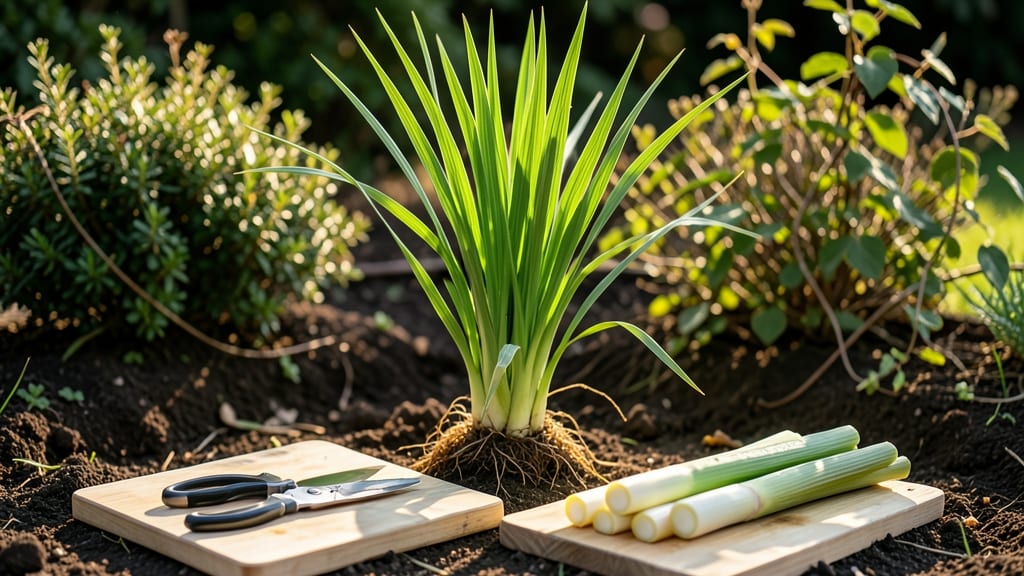
Learn how to harvest lemongrass without killing the plant by cutting stems from the base—this simple trick keeps your plant thriving and productive for seasons to come.
Harvesting lemongrass is simple—but doing it wrong can stunt growth or even kill your plant. The secret lies in proper cutting techniques that encourage regrowth while keeping your plant thriving for months.
If you’ve ever snipped a stalk too close to the soil or over-harvested, you’ve likely seen the plant struggle to bounce back. This guide covers the exact cutting height, when to harvest, and how to maintain your 🌿 lemongrass so it keeps producing lush, flavorful stalks.
You’ll learn how to trim without harming the plant, recognize signs of over-harvesting, and even extend your plant’s lifespan in zones 9-11—where it grows year-round. Ready to harvest like a pro?


The correct way to cut lemongrass stems for maximum regrowth
Lemongrass is a perennial herb that rewards patience—when harvested correctly, it can produce fresh stems for years. The key to long-term success lies in understanding where to cut and how much to remove.
Unlike annual herbs, lemongrass regrows from its base stem, so improper trimming can leave your plant stunted or even dead. I’ve learned the hard way that cutting too low or taking too many stalks at once can stress the plant beyond recovery.
For maximum regrowth, focus on harvesting outer stalks first and always leave at least 3-4 inches of stem above the soil. This height ensures the plant retains enough energy to regenerate while still providing you with usable stems.
Think of it like giving your lemongrass a haircut—you want to leave enough length for new growth to sprout while still getting a fresh harvest. The first time I cut too close, my plant took months to recover, so I now measure carefully!
Before you grab your pruners, check these visual cues to confirm your lemongrass is ready: stalks should be 12-18 inches tall, firm to the touch, and emit a strong citrus aroma when crushed.
If the stalks are still thin or lack fragrance, wait a few more weeks—they’re not mature enough yet. Patience here pays off in healthier regrowth and better flavor.
Now, let’s get practical. Here’s exactly how to harvest without harming your plant:
Choose outer stalks that are at least 12 inches tall. These are the oldest and won’t harm the plant’s center.
Avoid tearing the stems—use sterilized pruners or a sharp knife to make a clean cut.
Measure 3-4 inches from the base and cut at a 45-degree angle to prevent water pooling.
Never remove more than 1/3 of the stalks at once. This preserves the plant’s energy for regrowth.
Trim the hard bottom inch for cooking, then store the rest in a sealed bag in the fridge for up to 2 weeks.
Apply a balanced fertilizer (10-10-10) to encourage new growth within 1-2 weeks.
After harvesting, your lemongrass will send out new shoots from the base within 4-6 weeks. To speed up regrowth, keep the soil moist but not soggy and ensure it gets full sun (6+ hours daily).
I’ve seen my plants bounce back with thicker stalks after just one proper harvest cycle—proof that this method works! Just avoid the temptation to take too much at once, even if the plant looks lush.
One common mistake I see is cutting too close to the base, which can expose the plant’s crown to rot or pests. Always err on the side of leaving extra stem—your lemongrass will thank you with bushier growth and more frequent harvests.
If you’re unsure, snap a photo of your plant before cutting to reference the ideal height later.
For potted lemongrass, the same rules apply, but monitor soil moisture more closely since pots dry out faster. If your plant starts looking leggy or sparse, it’s a sign you’ve been harvesting too aggressively.
In this case, reduce frequency and focus on watering and sunlight to revive it. With the right technique, my potted lemongrass has lasted over 3 years with minimal care!
Pro tip: If your lemongrass flowers, remove the seed head immediately. This redirects the plant’s energy back into leafy growth instead of seeds. I learned this the hard way when my plant suddenly stopped producing stalks—turns out, it was busy making flowers instead!
Now I snip those buds off as soon as they appear.
With these steps, you’ll harvest lemongrass for years without sacrificing plant health. The first few times might feel tricky, but once you get the rhythm, it becomes second nature. Happy harvesting—your kitchen (and plants) will thank you! 🌿✂️
When and how often to harvest lemongrass for continuous yield
Timing your lemongrass harvest correctly ensures your plant stays healthy and productive. For year-round tropical climates, you can harvest every 6-8 weeks once stalks reach 12-18 inches tall. In temperate zones, focus on late spring through early fall when growth is most active.
Young plants (3-6 months old) need patience—wait until they’re 18+ inches tall before harvesting. This gives roots time to establish. Skipping early harvests prevents overburdening the plant and encourages thicker, more flavorful stalks later.
| Harvest Stage | Plant Age | Stalk Height | Frequency | Climate Notes |
|---|---|---|---|---|
| First Harvest | 6+ months | 12-18 inches | Every 8 weeks | Tropical: Year-round Temperate: Late spring |
| Established | 12+ months | 18+ inches | Every 6 weeks | Peak growth season |
| Winter Dormant | Any | N/A | None | Temperate zones only |
| Post-Freeze Recovery | 12+ months | New growth (6+ inches) | Every 10 weeks | Wait for regrowth |
Look for bright green leaves and a strong citrus scent when deciding to harvest. These signs indicate the plant is mature and ready. Avoid harvesting when stalks are soft or pale, as this signals poor health or immaturity.
In tropical climates, continuous harvesting is possible year-round, but reduce frequency during monsoon seasons when soil may become waterlogged. For temperate zones, pause harvesting after first frost and resume in spring when new growth appears.
Never harvest more than 1/3 of the plant at once. This rule prevents stress and ensures your lemongrass keeps producing for years. After each harvest, trim stalks 3-4 inches above the base to encourage bushier regrowth.
With the right timing, a single lemongrass plant can yield harvests for 3-5 years, making it a low-maintenance perennial favorite. Just follow these guidelines, and your plant will reward you with fresh, flavorful stalks season after season! 🌱