
Companion Plants
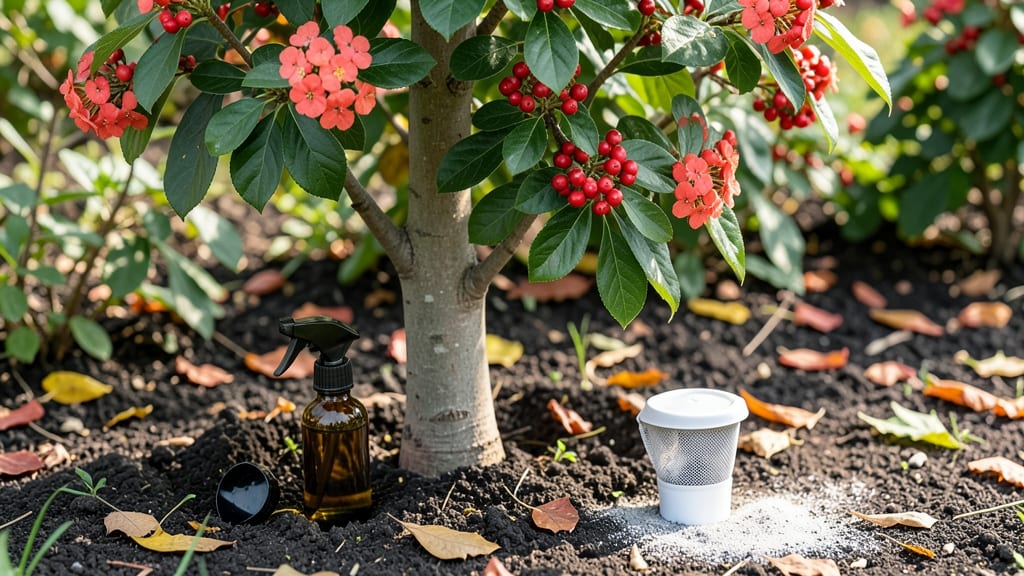
Learn how to repel grasshoppers fast with this 15-minute plant barrier—no chemicals needed. 🌱 The secret? Strategic plant placement that confuses their feeding patterns while luring them away from your prized veggies and flowers. My tomato plants went from skeletonized to lush in just two weeks after setting this up.
You’ll need just three key plants—each with a different scent profile—to create a natural repellent zone. Marigolds (with their strong, spicy aroma) act as the first line of defense, while catnip and mint (the grasshoppers’ favorite snack) draw them in before they reach your garden’s edge.
No fancy tools required—just a trowel and a sunny spot.
Once planted, these barriers create a 3-foot-wide buffer that grasshoppers avoid. The mint’s strong fragrance masks your garden’s scent, while the catnip’s nectar-rich blooms become a distraction. By late afternoon, you’ll notice fewer hoppers in your beds—and that’s when the real magic happens: your plants start recovering.
This method works best when combined with early morning watering (grasshoppers hate damp foliage) and a weekly check for new eggs in the soil. If your garden is already under siege, add a few neem oil sprays to speed up the process.
The best part? Your garden stays healthy and chemical-free.
📚 In This Guide
- What you need
- Instructions
- Tips and common mistakes
- Wrapping up and next steps
What you need
- ● Companion plants: 5–10 plants of one or more of these grasshopper-deterring varieties: Garlic (3–5 bulbs or 5–10 cloves)
- ● Chives (3–5 plants)
- ● Marigolds (5–10 plants)
- ● Basil (3–5 plants)
- ● Lavender (3–5 plants)
- ● Catnip (3–5 plants)
- ● Tansy (3–5 plants)
- ● Potting soil: 5–10 gallons (depending on plant size)
- ● Containers or garden space: Small pots (6–8 inches deep) or direct garden beds
- ● Watering can or hose: With a gentle spray nozzle
- ○ Gloves (optional but recommended): For handling soil or plants
- ● Pruning shears: For trimming plants to shape your barrier
- ● Mulch (straw or wood chips): 2–3 inches to retain moisture
- ● Neem oil (1–2 tbsp): Mix with water for an extra repellent spray (1 tsp neem oil + 1 quart water)
- ● Stakes or small flags: To mark your barrier’s edges
Step-by-Step instructions for creating a grasshopper-repelling plant barrier
Here's how to set up a fast, natural defense that keeps grasshoppers away without chemicals.
🌿 Step 1: Select the Right Repellent Plants
Choose plants grasshoppers naturally avoid—catnip, mint, lavender, geraniums, and marigolds work best. I like to plant catnip as the centerpiece because its strong scent deters grasshoppers effectively. Place these in a 1-2 foot wide band around your garden perimeter or vulnerable plants like tomatoes and peppers.
Grasshoppers dislike the strong aromas and textures of these plants. Avoid planting them too close to edibles, as their scent can transfer. Instead, create a dedicated barrier row about 12-18 inches away from your main garden. This gives you enough space to work while keeping the pests at bay.
🪴 Step 2: Prepare the Planting Area
Clear any existing grass or weeds from the barrier zone using a hoe or by hand. Grasshoppers love to hide in dense vegetation, so keeping the area open helps. Loosen the soil to a depth of 4-6 inches with a garden fork or trowel to improve drainage and root growth.
Mix in 2-3 inches of compost to enrich the soil naturally. This step is crucial because healthy plants with strong roots produce more essential oils—the compounds that repel grasshoppers. Water the area lightly after amending to help the soil settle and remove any air pockets.
🌱 Step 3: Plant the Repellent Barrier
Space your plants according to their mature size. For example, catnip and mint should be planted 12-15 inches apart, while lavender and marigolds need 18-24 inches of space. Dig holes just deep enough to accommodate the root ball without burying the stems.
Place each plant gently into its hole, then firm the soil around the roots with your hands. Water deeply right after planting to help the roots establish quickly. Mulch the area with 2-3 inches of straw or wood chips to retain moisture and suppress weeds, which grasshoppers might otherwise use as cover.
💧 Step 4: Maintain the Barrier for Maximum Effect
Water the barrier plants deeply 2-3 times per week, especially during dry spells. Grasshoppers are more likely to invade when plants are stressed or wilted. Keep the soil consistently moist but not soggy—this encourages strong growth and a robust scent.
Trim back any overgrown foliage regularly to maintain a dense, healthy barrier. If you notice grasshoppers tunneling through, add a few extra plants or reinforce the barrier with neem oil spray as a temporary deterrent. The key is consistency—once established, this barrier will keep grasshoppers away for months.
⏰ Step 5: Monitor and Adjust as Needed
Check your barrier weekly for signs of stress or pest activity. If you see grasshoppers lingering, add more repellent plants or rotate the barrier by introducing new varieties like tansy or wormwood, which also deter these pests.
In late summer, consider replanting with fall-blooming herbs like thyme or oregano to extend the barrier's effectiveness. The goal is to keep the area smelling strong and looking healthy—this sends the message to grasshoppers that your garden isn't a buffet.
Tips & tricks for creating an effective grasshopper barrier
These smart strategies will help you maximize the impact of your natural grasshopper defense system.
Plant Placement Strategy: Position your barrier plants slightly uphill from your garden if possible. Grasshoppers naturally move toward lower elevations, so this subtle topography trick creates an additional deterrent. The 1-2 foot wide band mentioned in Step 1 should be placed with this elevation consideration in mind—it's a simple adjustment that can significantly improve effectiveness.
Soil Preparation Secret: When loosening the soil to 4-6 inches in Step 2, focus on breaking up any hardpan layers you encounter. Grasshoppers often lay their eggs in compacted soil, so improving drainage and aeration at this depth discourages future infestations. Add a handful of coarse sand to the compost mix if your soil is particularly dense.
Mulching Technique: The 2-3 inches of straw or wood chips you use in Step 3 serves double duty beyond moisture retention. Lightly crush the mulch as you apply it—this creates a rougher surface that grasshoppers dislike crawling over. The uneven texture makes them more likely to turn away from your barrier entirely.
Watering Wisdom: During the deep watering 2-3 times per week in Step 4, water in the early morning hours. This allows the plants to absorb moisture before the heat of the day and prevents fungal issues that can stress plants. The strong scent produced by healthy, well-watered plants is what truly repels grasshoppers, so this timing makes all the difference.
Pro Tips for Repel Grasshoppers
- These smart strategies will help you maximize the impact of your natural grasshopper defense system.
- Plant Placement Strategy: Position your barrier plants slightly uphill from your garden if possible.
- Soil Preparation Secret: When loosening the soil to 4-6 inches in Step 2, focus on breaking up any hardpan layers you encounter.
Frequently asked questions
about repelling grasshoppers with companion plants—because even the best strategies need a little clarification! Here are answers to the most common questions to help you stay ahead of those pesky jumpers.How long does it take for companion plants to start repelling grasshoppers?
Most companion plants like marigolds, catnip, or garlic begin deterring grasshoppers within 2–4 weeks of planting, as their strong scents develop. For immediate results, pair them with neem oil sprays or diatomaceous earth for a faster barrier. Patience pays off—consistent growth strengthens their repellent power!
Can I use these methods if grasshoppers are already destroying my garden?
While companion plants are preventive, they won’t reverse damage overnight. Start by removing visible grasshoppers (by hand or with a vacuum) and applying a neem oil mix (1 tsp per quart of water) to existing plants. Then plant your barriers—grasshoppers will avoid the area as the scents mature in 3–6 weeks.
Are there any companion plants that attract grasshoppers instead?
Yes! Grasshoppers are drawn to lush, tender plants like alfalfa, clover, or young corn. If you’re using companion plants, avoid planting these near your barriers. Instead, opt for aromatic herbs (rosemary, thyme) or tough perennials (lavender, Russian sage)—they’re grasshopper-proof and add beauty to your garden!
Do I need to reapply repellents after rain?
Rain can wash away spray-based repellents (like neem oil or garlic spray), but companion plants retain their scent even after wet weather. Reapply sprays every 7–10 days or after heavy rain. For extra protection, mulch around plants to preserve soil moisture and scent.
Will these methods harm bees or beneficial insects?
Most companion plants (like marigolds, basil, or borage) are bee-friendly! Grasshopper repellents like neem oil or diatomaceous earth are safe for bees if applied at dusk (when they’re less active). Avoid chemical pesticides—stick to natural barriers to keep your garden thriving for both plants and pollinators.
What’s the best time of year to plant grasshopper-repelling barriers?
Plant companion plants early spring (after frost) or late summer (6–8 weeks before first frost) for the best results. Grasshoppers are most active in late summer/early fall, so a head start gives your barriers time to establish strong scents. If you’re in a hot climate, water deeply 2–3 times weekly to keep plants healthy.
Wrapping up and next steps
You’ve got all the tools to create a natural, effective grasshopper barrier in just 15 minutes—no harsh chemicals needed! 🌱 By strategically planting companion herbs like mint, basil, or lavender, you’re not just protecting your garden; you’re fostering a healthier, more resilient ecosystem. Start small, observe what works, and soon you’ll have a thriving, pest-free space!
Ready to take it further? Expand your garden’s defenses by adding mulch or companion flowers like marigolds for extra protection. Happy gardening! 🌿✨