
Lawn
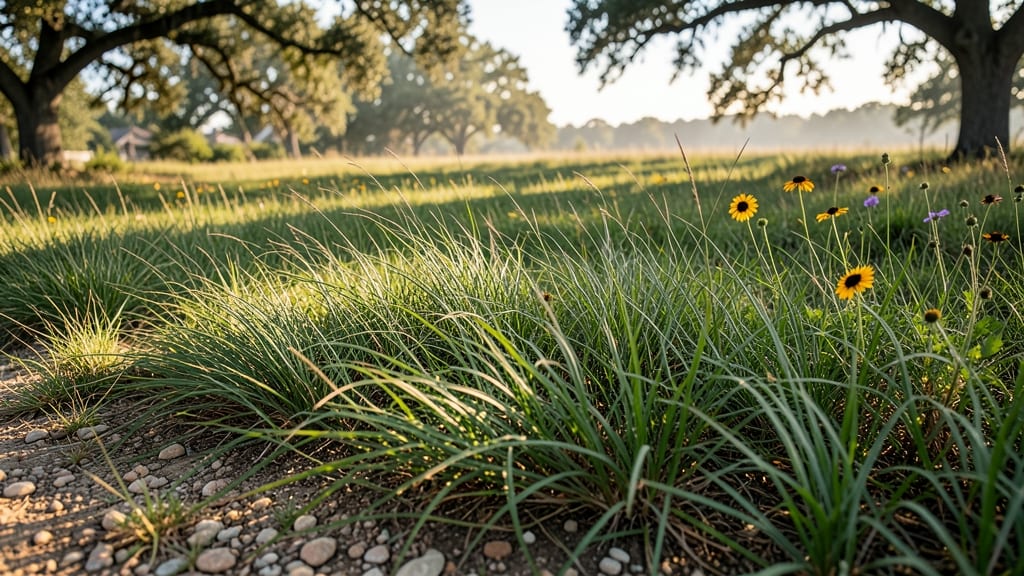
Struggling to keep your lawn vibrant during scorching summer heat? These 10 drought-resistant grass types thrive in high temperatures while requiring less water and maintenance, ensuring a green lawn all season long.
Bermuda Grass for Extreme Heat
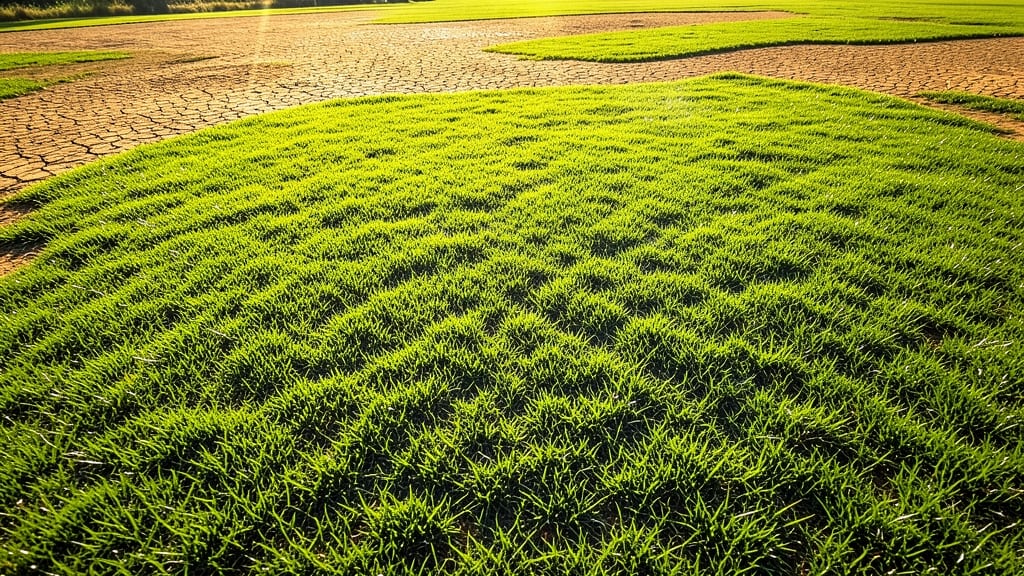
If you live in the Deep South and want a lawn that laughs at summer heat and drought, Bermuda grass is your secret weapon. This powerhouse grass thrives where others wilt, turning dry, cracked soil into a vibrant green carpet with minimal effort once established.
Known for its aggressive spread, Bermuda grass fills bare spots quickly and recovers from foot traffic like a champ—perfect for families with kids or pets. After the first year, it needs only 1 inch of water per week (including rainfall) to stay lush, making it one of the most drought-tolerant options. For best results, mow regularly at 1-2 inches to encourage dense growth and shade out weeds.
This grass is ideal for homeowners in USDA Zones 7-10 who want a low-maintenance lawn that stays green through brutal summers. Just be prepared for it to go dormant in winter—it’s a warm-season grass through and through. 🌱
Zoysia Grass for Low-Maintenance Beauty
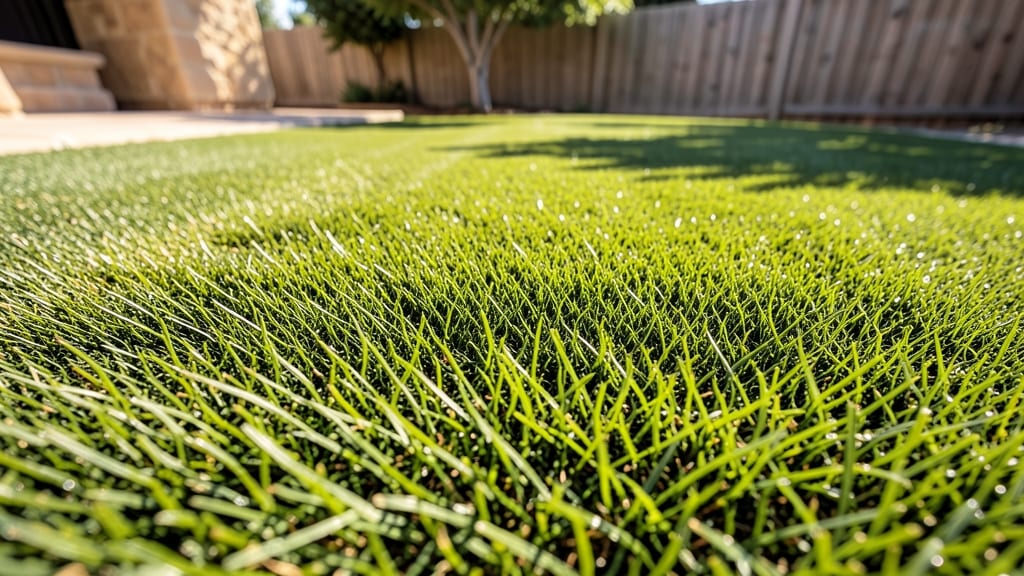
Tired of patchy lawns that brown under summer sun? Zoysia grass delivers that luxurious, deep green carpet look while handling drought like a champ—no high-maintenance fuss required.
This grass thrives in full sun to partial shade and develops a dense, soft texture perfect for barefoot comfort. Unlike Bermuda, it recovers beautifully from cold snaps, making it ideal for transitional climates. Once established, it needs only 1 inch of water per week during summer droughts, reducing your water bill while keeping your lawn lush.
Perfect for homeowners who want a low-maintenance lawn that still looks manicured—ideal for busy families or anyone tired of constant mowing. 💚
Buffalo Grass for Native Elegance
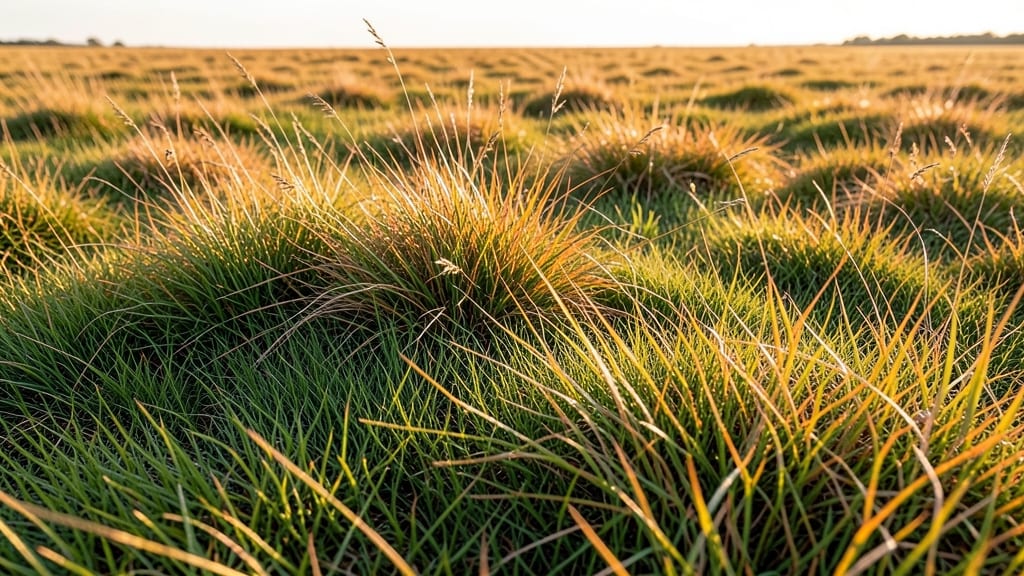
Tired of spending weekends mowing and watering a lawn that still looks lackluster? Buffalo grass offers a radical alternative—zero mowing, no fertilizers, and a stunning golden transformation in fall that no other grass delivers.
This deep-rooted native grass thrives in USDA zones 3-9 with just 12-18 inches of annual rainfall, making it perfect for drought-prone regions. Its fine, wiry blades grow only 6-12 inches tall, creating a soft, natural carpet that recovers effortlessly from foot traffic. The real showstopper? Its golden fall color, which adds seasonal interest without extra effort.
Ideal for eco-conscious gardeners, Buffalo grass supports native pollinators and requires no pesticides—just plant, water lightly during establishment, and enjoy a low-maintenance lawn that evolves with the seasons. 🌻
St. Augustine Grass for Shade Tolerance
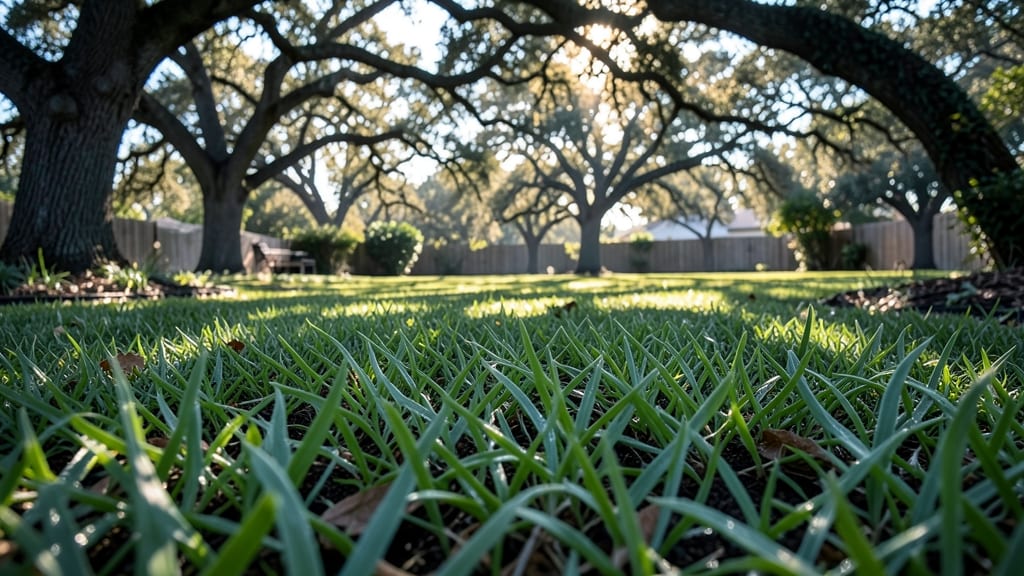
Tired of patchy lawns under your shade trees? St. Augustine grass thrives where others fail—growing aggressively in humid climates with partial shade while outcompeting weeds naturally. Its broad blades create that signature lush look homeowners love, but it needs consistent moisture to stay vibrant.
This grass spreads quickly through stolons, forming a dense carpet that chokes out weeds before they start. For best results, water 2-3 times per week (about 1 inch total) during summer's peak heat, and mow regularly to maintain a 3-4 inch height. It handles foot traffic better than most shade grasses, making it ideal for play areas under trees.
Perfect for southeastern U.S. gardeners who want a low-maintenance, weed-resistant lawn without sacrificing beauty. Just avoid drought conditions—this grass stays green when properly cared for! 🌿
Centipede Grass for Southern Lawns
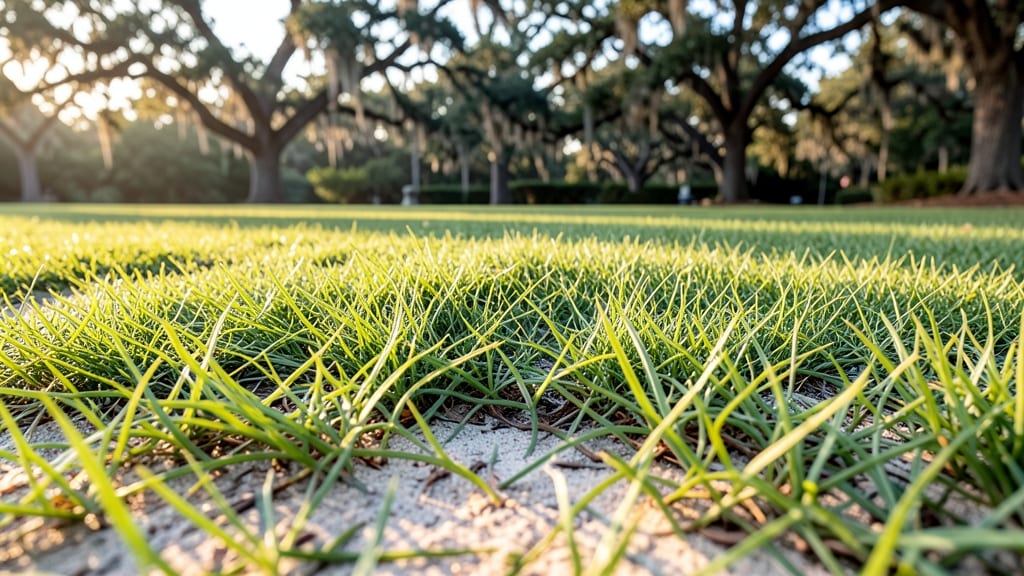
If you're tired of battling high-maintenance lawns in the South, centipede grass might be your perfect match. This native grass thrives in the region's acidic, sandy soils and stays vibrant through summer with minimal care—no wonder it's a favorite among Southern gardeners.
Unlike other grasses, centipede grass requires little to no fertilization once established, and its slow growth means you'll mow less frequently. It handles drought surprisingly well, turning a deeper green when watered but staying resilient during dry spells. The trade-off? It prefers full sun to partial shade and may thin in heavy foot traffic areas.
This grass is ideal for homeowners who want a low-effort lawn without sacrificing beauty. Perfect for those who prioritize ease over perfection, centipede grass keeps your yard looking natural and healthy with minimal input. 💚
Fescue Grass for Cool-Season Resilience
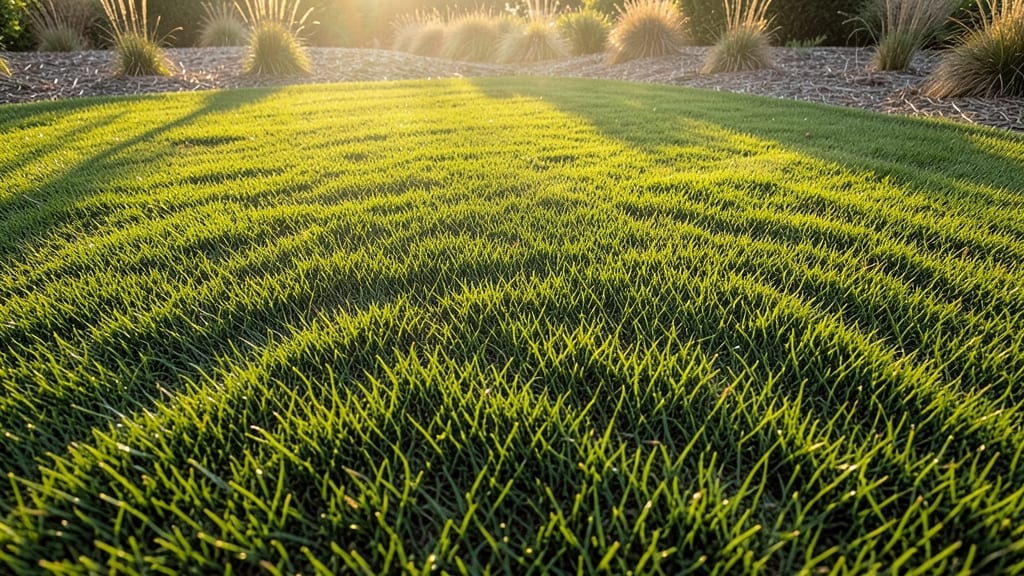
If you're used to cool-season grasses that wilt under summer heat, fine fescue might surprise you—it’s one of the most resilient options when given the right care. Unlike many grasses that turn brown in drought, properly established fescue maintains its deep green color even during heat waves, thanks to its deep root system and ability to go dormant without permanent damage.
This cool-season grass thrives in partial shade to full sun and establishes best in spring or early fall, when soil temperatures are moderate. Once mature, it requires minimal watering—just 1-1.5 inches per week—and recovers quickly from foot traffic or stress. Its fine texture also makes it ideal for shady lawns where other grasses struggle.
Perfect for homeowners in transitional climates or those who want a low-maintenance, drought-tolerant lawn without sacrificing color, fescue is the hidden gem of summer grasses. 💚
Bahia Grass for Drought-Prone Areas
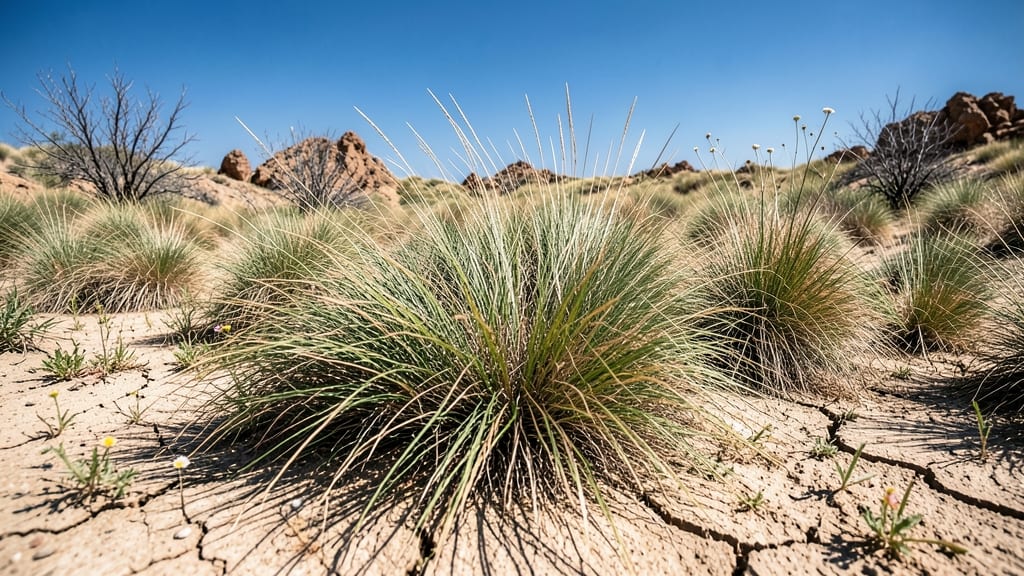
If you live in a region plagued by wildfires or severe droughts, Bahia grass might be your unsung hero. Unlike other grasses that wilt under extreme conditions, this hardy variety thrives in poor, sandy, or rocky soils while demanding minimal water once established—making it perfect for lands with limited resources.
Native to coastal areas but adaptable to inland regions, Bahia grass develops a deep root system that reaches 4-6 feet into the soil, accessing moisture and nutrients others can't. It tolerates full sun exposure and salty conditions, making it ideal for coastal or high-salinity areas. Once mature, it requires almost no irrigation, reducing your water bill while keeping your lawn alive.
This grass is especially valuable for landscapers in fire-prone zones or homeowners with limited water access. While it won’t have the soft texture of other grasses, its resilience and low-maintenance nature make it a practical choice for those prioritizing survival over aesthetics. 💪
Kikuyu Grass for Fast Recovery
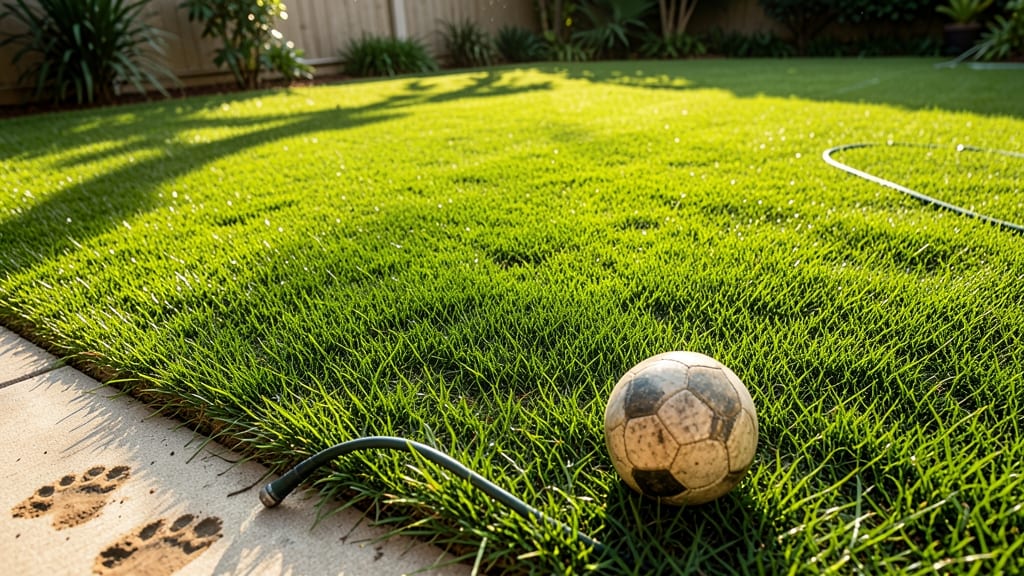
If your lawn takes a beating from kids, pets, or summer heat, Kikuyu grass is your secret weapon. This fast-growing grass bounces back from drought, heavy foot traffic, and even pet paw prints—often within days—without losing its lush appearance.
Native to East Africa, Kikuyu grass thrives in full sun and warm climates, making it ideal for active yards. Its deep root system helps it survive dry spells, while its aggressive spread fills bare spots quickly. For best results, mow regularly to maintain a height of 1-2 inches and water deeply but infrequently to encourage drought resistance.
Families with pets or children will love how quickly this grass recovers from wear and tear. It’s also a great choice for sports fields and high-traffic areas where durability matters most. 💪
Tall Fescue for Versatile Heat Resistance
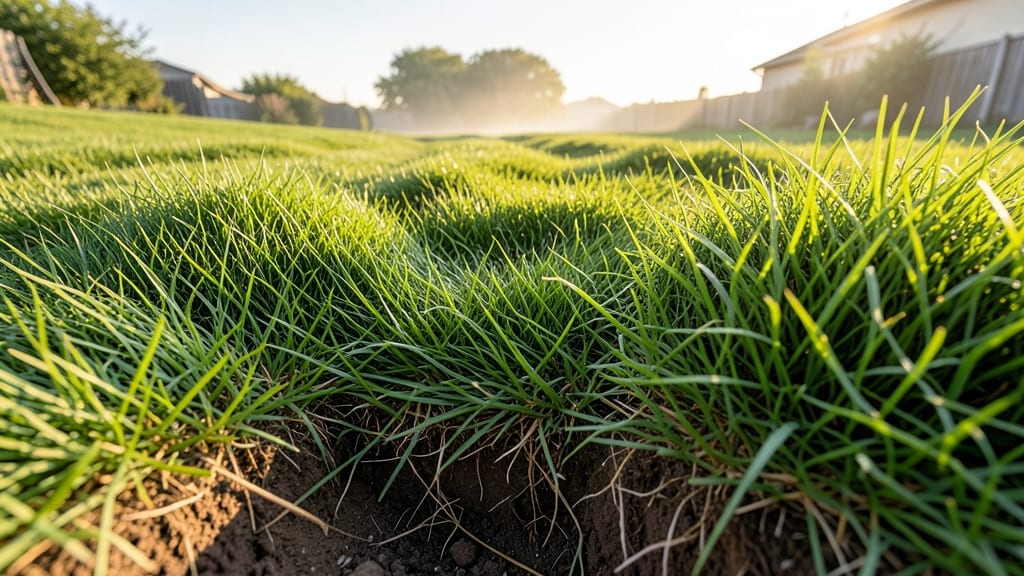
If you're tired of watching your lawn turn brown during summer heat waves, tall fescue is your secret weapon. Unlike many grasses that struggle in high temperatures, this deep-rooted variety thrives in summer heat while staying lush and green longer than most.
With roots that extend 3-4 feet deep, tall fescue accesses moisture and nutrients others can't reach, making it drought-tolerant once established. Its dense growth naturally suppresses weeds, and its strong disease resistance means fewer chemicals and more time enjoying your lawn. Mow at 3-4 inches to encourage deeper roots and better heat resilience.
Perfect for homeowners in transition zones between hot summers and cool winters, tall fescue offers the best of both worlds—summer heat resistance and winter hardiness. It's the ideal choice for those who want a low-maintenance, beautiful lawn that stays vibrant all season. 🌱
Carolina Grass for Native Landscapes

Tired of mowing, fertilizing, and fighting weeds just to keep your yard looking "perfect"? Carolina grass offers a radical alternative—it thrives on neglect while supporting local ecosystems. This native warm-season grass grows naturally in the southeastern U.S., adapting effortlessly to poor, rocky, or sandy soils where other grasses would struggle.
Once established, it requires no mowing—simply let it grow to its natural height (2-4 feet) for a prairie-style meadow that blooms with seed heads in late summer. It also provides critical habitat for native pollinators and birds, making it a favorite among wildlife enthusiasts. For gardeners prioritizing low-maintenance beauty over manicured lawns, this grass delivers year-round interest with minimal effort.
Perfect for those who want a natural, sustainable landscape that reduces water use and chemical inputs while supporting biodiversity. 🌻