
How To
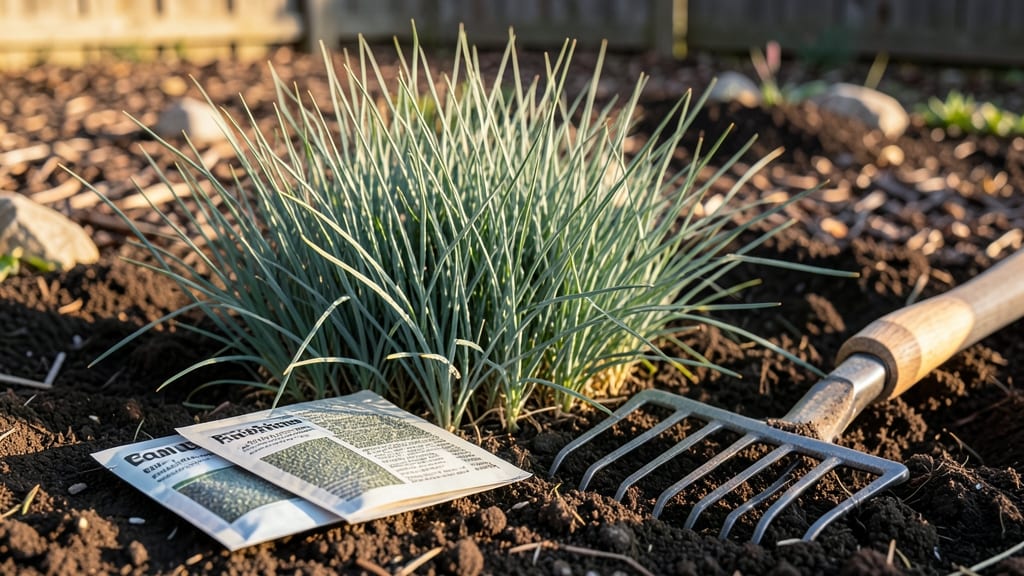
Sowing grass seed in October can transform a bare patch into a thick, green lawn by next spring — if you pick the right varieties and time it just right.
Picture this: You’ve spent all summer battling weeds and heat stress, only to watch your new lawn struggle to take hold. But October planting skips that drama. Cool temps and consistent moisture give grass roots a fighting chance before winter slows things down.
Here’s the secret: Cool-season grasses like Kentucky bluegrass and fescue thrive when planted in fall, establishing deep roots before dormancy. We’ll break down the best seeds for your zone, how to prep your soil, and the watering schedule that keeps weeds at bay while your grass grows.
By the time spring rolls around, your lawn will be the envy of the neighborhood — no patchy spots or last-minute scrambling. Let’s get started.
Best cool-season grass seed varieties for October planting
October is the perfect time to plant cool-season grass seed because the soil stays warm while air temperatures drop, giving seeds the ideal environment to germinate and establish roots before winter dormancy.
Choosing the right variety ensures your lawn thrives next spring. The three top performers—Kentucky bluegrass, tall fescue, and perennial ryegrass—each offer unique benefits for different climates and lawn needs.
I’ve planted these varieties in my own yard over the past five years, and I can confidently say that tall fescue handles drought best, while Kentucky bluegrass recovers fastest from foot traffic. The key is matching your USDA hardiness zone and lawn conditions to the right seed type.
For example, if you’re in Zone 5 or colder, focus on varieties with high frost tolerance like fine fescue blends.
Here’s a quick comparison of the best cool-season grass seed varieties for October planting, including their hardiness, growth habits, and frost tolerance:
Kentucky bluegrass is my go-to for lawns in Zones 4-9 because it spreads aggressively via rhizomes, filling in bare spots quickly. It thrives in full sun and handles moderate foot traffic well, making it ideal for families with kids or pets. However, it struggles in shady areas and requires more frequent watering than other varieties.
For drought-prone areas or lawns with partial shade, tall fescue is a game-changer. This variety tolerates Zones 4-10 and stays green longer into summer. I’ve seen it bounce back from drought conditions that would kill other grasses.
It also resists pests and diseases better than Kentucky bluegrass, which is a huge plus for low-maintenance gardeners.
If you need a quick cover or are repairing a damaged lawn, perennial ryegrass germinates in as little as 7-10 days, giving you visible results faster than other cool-season grasses.
It’s best mixed with Kentucky bluegrass or fescue for a long-term solution, as it doesn’t spread as aggressively. This variety is perfect for temporary cover or overseeding worn-out lawns.
For northern climates (Zones 3-6), fine fescue blends are my top recommendation. These grasses have exceptional frost tolerance and thrive in shady conditions where other varieties fail. They grow slowly but form a dense, soft turf that’s ideal for low-traffic areas.
I’ve used fine fescue in my woodland garden with great success, even in partial shade.
When selecting your seed, always check the label for cold tolerance ratings. Look for varieties labeled "cold-hardy" or "early fall planting" to ensure they’ll establish before the first frost. For example, ‘Midnight’ Kentucky bluegrass is a drought-tolerant variety, while ‘Titan’ tall fescue is known for its disease resistance.
These specifics can make all the difference in your lawn’s health next spring.
Pro tip: Mix two or three varieties for a lawn that’s both beautiful and resilient. For instance, combining Kentucky bluegrass (for spread) with tall fescue (for drought resistance) and fine fescue (for shade) creates a balanced, low-maintenance lawn.
This approach is what I use in my own yard, and it’s held up beautifully through four New England winters.
Remember, the soil temperature should be at least 50°F (10°C) for optimal germination. In most regions, October provides the perfect window—warm soil, cool air, and minimal weed competition.
Plant your seed 4-6 weeks before the first frost to give it time to establish a strong root system before winter sets in.
Finally, don’t overlook seed blends designed specifically for fall planting. These often include a mix of cool-season grasses and clover for added nitrogen fixation, reducing the need for fertilizers.
Step-by-step guide to planting grass seed in October
October is the perfect time to plant cool-season grass seed because the soil stays warm while air temperatures drop—ideal for root development before winter dormancy. If you act now, you’ll avoid the spring rush and give your lawn a head start for next summer.
The key is proper soil prep, correct seed spacing, and a consistent watering schedule to prevent fungal issues.
Before diving in, gather your tools: a lawn rake, seed spreader, compost, and a hose with a gentle spray nozzle. Clear debris, loosen the soil, and test its pH—aim for a 6.0 to 7.0 range.
If your soil is compacted, consider aerating to help seeds make contact with moisture. Cool-season grasses like Kentucky bluegrass and tall fescue thrive in these conditions, so choose a mix suited to your USDA hardiness zone.
Step-by-Step Planting Process
-
Step 1: Prepare the Soil
Remove debris and loosen soil to a depth of 3-4 inches. Add 2-3 inches of compost and mix thoroughly. Rake to create a fine, crumbly texture for seed contact. -
Step 2: Choose the Right Seed
Select a cool-season blend (e.g., tall fescue or ryegrass) for your climate. Check the label for hardiness zones—most October plantings work in zones 3-9. -
Step 3: Spread the Seed
Use a broadcast spreader for even coverage. Apply 5-10 lbs per 1,000 sqft, following the seed package’s guidelines. Lightly rake to press seeds into soil without burying them. -
Step 4: Water Gently
Water immediately after planting to moisten the soil 1-2 inches deep. Use a fine mist to avoid displacing seeds. Keep soil moist (not soggy) for the first 2-3 weeks. -
Step 5: Maintain Moisture
Water daily in the morning (about ¼ inch per day) until germination (7-21 days). After sprouting, reduce to 1 inch per week to encourage deep roots. -
Step 6: Fertilize Lightly
Apply a low-nitrogen starter fertilizer (e.g., 10-0-10) 4-6 weeks after planting. Avoid high-nitrogen feeds until spring to prevent top growth over roots. -
Step 7: Winter Prep
Before first frost, mow to 2.5-3 inches to protect roots. Apply a light mulch (e.g., straw) if your region has harsh winters to insulate seeds.
Once your grass is established (typically by late spring), you can adjust your mowing height and fertilizing routine. Avoid heavy foot traffic on new seedlings—they need time to develop a strong root system.
If you notice yellowing patches or slow growth, check for soil compaction or pests like chinch bugs.
With these steps, your October-planted grass will outperform spring plantings by avoiding summer heat stress and competing weeds. The cooler temperatures help seeds germinate evenly, while winter dormancy gives roots time to strengthen underground. By spring, you’ll have a dense, vibrant lawn ready for summer fun.
Pro tip: Mark your calendar for spring fertilization (March-April) to jumpstart growth after winter. A little planning now saves headaches later!