
Vegetables
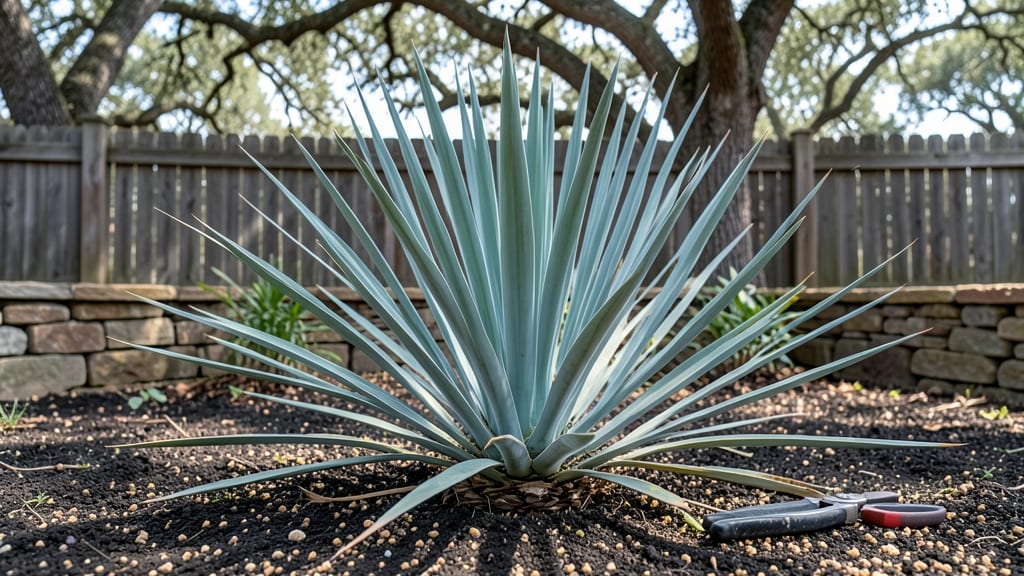
Bear grass in Arizona thrives in arid desert conditions by developing deep roots to access moisture, blooming annually in early spring before summer heat arrives. Harvesting occurs after flowering but before seeds mature for optimal yield and sustainability.
Arizona's bear grass, also called Nolina microcarpa, has evolved to survive extreme heat and drought by sending roots as deep as 10 feet to tap into underground water sources. 🌵 This hardy plant typically blooms between February and April, when temperatures are cooler and moisture is more available.
The timing of harvesting—right after the flower stalk appears but before seeds form—ensures you get the most fibrous, flavorful stalks while supporting the plant's natural lifecycle. Many Arizona foragers prefer harvesting in the early morning when the stalks are still crisp, though they can be used year-round if stored properly.
What makes bear grass so resilient is its ability to go dormant during Arizona's scorching summers, only to rebound with vigor when rains return. This adaptability makes it a staple in both traditional Native American cuisine and modern desert cooking.
The plant's deep root system also helps stabilize soil, making it an ecologically valuable species in the Sonoran Desert ecosystem.
💡 In This Article
- How Bear Grass Adapts to Arizona’s Harsh Climate
- Optimal Arizona Bear Grass Harvesting Guide
How bear grass adapts to Arizona’s harsh climate
Bear grass (Nolina microcarpa) survives Arizona's extreme desert environment through a remarkable combination of anatomical and physiological adaptations. Its most striking feature is its deep taproot system, which can extend 10-15 feet below ground—far deeper than most desert plants.
This root structure allows it to access moisture from underground aquifers that remain stable even during summer droughts when surface water evaporates rapidly. 🌵 The roots also store carbohydrates during wet seasons, providing energy when photosynthesis slows during scorching months.
The plant's thick, fibrous leaves—technically modified stems—are another key adaptation. These pleated, sword-like leaves have a waxy coating that reduces water loss through transpiration, while their vertical orientation minimizes exposure to direct sunlight.
Unlike many desert plants that store water in swollen stems, bear grass maintains a relatively compact growth habit, which helps it conserve energy.
Interestingly, its leaves contain saponins, compounds that create a soapy lather when crushed—a natural defense mechanism that deters herbivores while also making the plant useful for traditional cleaning and cooking.
Bear grass exhibits a biennial flowering cycle perfectly timed to Arizona's climate. Most plants produce a single 6-8 foot tall flower stalk every 2-3 years, typically between February and April when daytime temperatures hover around 70-80°F and afternoon rains may occur.
This timing ensures the plant's energy isn't wasted on reproduction during the harshest months. After flowering, the plant redirects resources back to root and leaf growth, preparing for the next dormant summer.
The flower stalk itself is edible and highly prized—its crisp texture and mild, slightly sweet flavor make it a desert delicacy.
What's particularly fascinating is how bear grass handles temperature extremes. While it thrives in 100°F+ heat, its metabolic processes slow dramatically below 50°F, allowing it to survive occasional cold snaps.
This thermal flexibility explains why you'll find bear grass growing in both the Sonoran Desert (where summers exceed 110°F) and higher elevation areas like the White Mountains (where winters dip below freezing).
The plant's ability to photosynthesize at low light levels also gives it an edge over competitors during dust storms, when sunlight can be obscured for days.
Ecologically, bear grass plays a crucial role in Arizona's desert ecosystems. Its deep roots help prevent soil erosion, while fallen leaves create microhabitats for small insects and reptiles.
Native tribes like the O'odham and Apache have long recognized its value, using every part of the plant—from the edible flower stalks to the fibrous leaves for basket weaving.
This multi-functional adaptability is what makes bear grass both a survivor and a staple in one of the most challenging environments on Earth.
For those curious about growing bear grass, it's worth noting that while it's drought-tolerant, it does best in well-draining soil with occasional deep watering—mimicking its natural conditions. The plant's slow growth (often taking 3-5 years to mature) reflects its strategy of conserving energy for survival rather than rapid expansion.
This patience is what allows bear grass to outlast more aggressive but less resilient desert species. 💫