
Plants
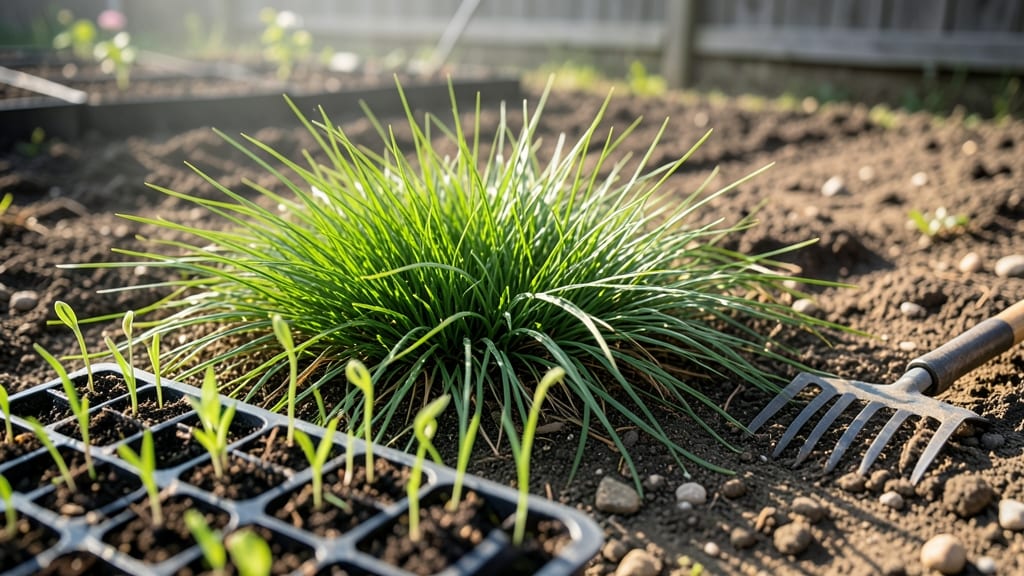
Planting grass in Arizona requires timing it right to beat the heat and monsoon chaos—aim for September through November or late winter, when temperatures cooperate.
Picture this: you’ve spent hours spreading seed, only to watch it bake under the sun or drown in sudden downpours. The key is avoiding those scorching summer months when even shade-loving varieties struggle to take root.
In USDA Zone 9b, fall planting gives grass a fighting chance—soil stays warm enough for germination but cools off before winter sets in. Meanwhile, late winter (February-March) offers a second shot before the real heat arrives.
Below, I’ll break down the perfect planting windows for Phoenix vs. Flagstaff, how to prep soil for survival, and the one watering trick that keeps your new lawn alive through Arizona’s wild swings.
Best months to plant grass in Arizona for maximum germination success
Arizona’s desert climate demands precision when planting grass. The best months to plant grass seed are September through November for cool-season germination and February to March for warm-season varieties. Outside these windows, your seed risks drying out before sprouting or struggling under extreme heat.
The key is aligning planting with soil temperatures between 60°F and 75°F, which triggers seed activation without stressing young shoots.
Phoenix and surrounding low-elevation areas (like Tucson) experience hotter, drier conditions year-round, making fall planting the safest bet. Meanwhile, Flagstaff and higher elevations (e.g., Prescott) can handle late winter planting thanks to cooler temperatures.
Even a 10°F difference in soil temperature can mean the difference between successful germination and wasted seed.
Soil temperature is your best indicator—use a soil thermometer to confirm it’s in the ideal 60°F–75°F range before planting. In Phoenix, this typically means late September; in Flagstaff, it might extend into early April. Ignoring this step is like planting a desert rose in a swamp—it’s doomed before it starts.
| Region | Best Planting Window | Ideal Soil Temp (°F) | Grass Type | Key Consideration |
|---|---|---|---|---|
| Phoenix/Tucson | Late September–November | 60°F–75°F | Bermuda, Zoysia | Avoid monsoon rains; use mulch |
| Flagstaff/Prescott | February–March | 65°F–70°F | Tall Fescue, Ryegrass | Cooler nights reduce heat stress |
| All Regions | Avoid April–October | Above 80°F | Any | Seed dries out before sprouting |
For cool-season grasses like Tall Fescue or Ryegrass, focus on September–October. These varieties thrive in cooler temperatures and benefit from Arizona’s monsoon rains, which provide natural irrigation. However, plant before August’s final downpours to avoid waterlogged soil, which can suffocate seeds.
Warm-season grasses, such as Bermuda or Zoysia, are best planted in late winter (February–March). These types need consistent warmth to establish roots, so avoid planting too early—even Flagstaff’s late winter can still dip below 50°F at night, shocking tender seedlings.
Preparing your soil is just as critical as timing. Test your soil pH (ideal range: 6.0–7.5) and amend with compost or lime if needed. Loosen the top 4 inches of soil with a garden fork to improve aeration, and remove weeds or debris that could compete with young grass.
Skipping this step is like building a house on sand—it’ll collapse under stress.
Once planted, consistent moisture is non-negotiable. Water daily for the first 2–3 weeks, keeping the soil evenly moist but not soggy. Use a light mulch (like straw) to retain moisture and protect seeds from scorching afternoon sun.
In Phoenix, this means watering early morning (4–8 AM) to minimize evaporation.
Finally, resist the urge to mow too soon. Wait until your grass reaches 3–4 inches tall before the first cut—this ensures roots are deep enough to survive Arizona’s intense heat.
In Flagstaff, you might see sprouts in as little as 7–10 days; in Phoenix, it could take 14–21 days due to higher temperatures.
By following these timing and care guidelines, your grass will establish a deep root system before summer’s brutal heat arrives. Think of it like training for a marathon—proper prep now means a lush, resilient lawn later. 🌱
How heat tolerance affects grass seed selection and planting strategy
Arizona’s extreme heat forces you to choose between warm-season and cool-season grasses—each with distinct survival strategies. Warm-season varieties like Bermuda and Zoysia thrive in summer but struggle in winter, while Tall Fescue and Ryegrass handle cooler months but wilt in 100°F+ temps.
Your selection must align with your yard’s microclimate and seasonal priorities.
For heat-tolerant grasses, timing is everything. Planting Bermuda or Zoysia in late spring (April-May) ensures they establish roots before summer’s peak. Conversely, Tall Fescue seeds planted in fall (September-October) avoid heat shock. The wrong timing can turn your lawn into a crispy wasteland before sprouting.
(Bermuda, Zoysia)
(Tall Fescue, Ryegrass)
✅ Pros:
- Heat-proof (survives 100°F+)
- Dormant in winter (low maintenance)
- Fast establishment (6-8 weeks in ideal temps)
❌ Cons:
- Goes brown in winter
- Needs frequent watering to establish
- Aggressive spreaders (may invade beds)
✅ Pros:
- Green year-round (Arizona’s cooler months)
- Softer blades (better for play areas)
- Lower water needs once established
❌ Cons:
- Struggles in summer (browns if not watered)
- Slower germination (10-14 days vs. 5-7)
- Needs overseeding in warm climates
To combat Arizona’s heat, use pre-germination soaking for 24 hours before planting. This trick kickstarts growth in 105°F+ soil, where seeds might otherwise suffocate. Pair this with a light mulch (straw or peat moss) to retain moisture and shield seedlings from direct sun until they’re 2-3 inches tall.
Post-planting, water deeply twice daily (morning and late afternoon) for the first 2 weeks. Avoid overhead sprinklers—they evaporate quickly and can cause fungal diseases in the heat. Instead, use drip irrigation or soaker hoses to deliver water directly to roots while keeping foliage dry.
For heat-stressed lawns, reduce mowing height to 1.5-2 inches to encourage deeper roots. This shade-cooling effect helps grass survive 110°F+ temps. In late summer, apply a slow-release fertilizer to strengthen roots before winter—just avoid nitrogen-heavy feeds, which promote top growth and thirst.
If your yard sees partial shade, opt for Shade-Tolerant Bermuda or Fine Fescue. These varieties balance heat resistance with shade adaptability, making them ideal for Arizona’s microclimates where full sun isn’t guaranteed. Always test soil moisture before watering—overwatering in heat is as harmful as underwatering.