
Plants
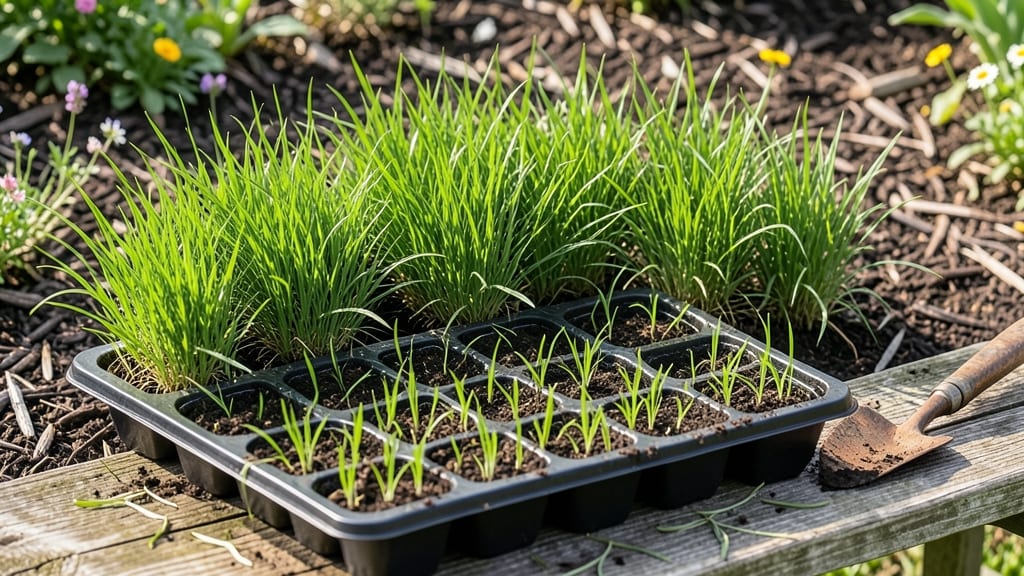
Planting rye grass in Arizona during September or October gives it the perfect head start before winter’s chill sets in—timing that avoids the brutal summer heat.
If you’ve ever watched your lawn turn brown by mid-July, you know how quickly Arizona’s sun can turn a fresh planting into a crispy memory.
The key is getting those seeds in the ground 4–6 weeks before the first frost, which in most of the state means mid-September to early October.
This cool-season grass thrives in USDA Zone 9b, but elevation matters—Flagstaff’s cooler temps might push your window later, while Phoenix’s relentless heat demands an early start. Below, I’ll break down the exact months for your microclimate, plus soil prep tricks to ensure your rye grass takes root before winter.
You’ll also discover how to avoid the three biggest mistakes that kill rye grass in Arizona: planting too late, ignoring frost dates, and overwatering during monsoon season. Let’s get that green established for a winter lawn that actually lasts.
Optimal planting months for rye grass in Arizona’s climate zones
Arizona’s diverse climate zones—from the desert lowlands of Phoenix to the cooler highlands of Flagstaff—create unique challenges for planting rye grass. Unlike warm-season grasses, rye grass thrives in cool temperatures, making timing critical to avoid summer heat stress.
The key is planting 4-6 weeks before the first frost, which varies dramatically across the state.
In low-elevation areas like Tucson and Phoenix (USDA Zones 9b-10a), the first frost typically arrives in mid-December, while Flagstaff and Sedona (Zones 7a-8a) experience frost as early as late October.
This means your planting window shifts from late August to November in the south to July to September in the north.
Here’s how to align your planting with Arizona’s microclimates for a lush winter lawn:
For Phoenix and Tucson, aim to plant rye grass seeds by mid-September to establish roots before the first frost. In Flagstaff, you can start as early as July, but be prepared for cooler nights that may slow germination.
Pro tip: Use a soil thermometer to confirm temperatures are between 55–75°F—ideal for rye grass germination. In low-desert areas, wait until after Labor Day to avoid 100°F+ soil, which can kill seeds before they sprout.
If you miss the fall window, a second planting opportunity opens in February for spring growth. However, this approach requires diligent watering to prevent summer dormancy. For high-elevation areas, February planting may yield better results due to milder spring temperatures.
Remember: Rye grass is a cool-season annual, meaning it will die back in summer heat. Plan to overseed with Bermuda grass or buffalo grass in late spring for year-round coverage. This two-step strategy is common in Arizona lawns and ensures green grass year-round.
For container gardening in Arizona’s heat, start seeds indoors in late August and transplant outdoors after September 15th. This method gives seedlings a head start before winter temperatures drop.
🌱
Signs your Arizona soil and weather are ready for rye grass
Arizona’s unpredictable monsoons and rapid temperature swings mean timing your rye grass planting is everything. Look for soil temperatures dropping below 80°F—this signals the perfect window for seeds to germinate without stress.
In Scottsdale or Phoenix, aim for late September when daytime highs hit 95°F but nights cool to 70°F or lower.
Check your local rainfall forecasts too—rye grass thrives with 1-1.5 inches of moisture weekly after planting. Rural areas like Sedona may rely on natural rainfall, while irrigated lawns in Tucson need consistent drip irrigation or sprinkler systems set to morning watering (before 10 AM to avoid fungal risks).
⚠️ WARNING: Common Mistakes That Kill Rye Grass in Arizona ⚠️
Use a soil thermometer to confirm ideal germination temps of 50-75°F. In higher elevations like Flagstaff, wait until mid-October when frost risk rises.
For low-desert areas, early September is your last chance before summer heat returns. Avoid planting after November 1st—seeds may not establish roots before winter dormancy sets in.
Adjust your watering schedule based on local microclimates.
In drought-prone regions, use mulch (like straw or wood chips) to retain moisture and cool soil. Scottsdale’s urban heat islands may need daily watering for the first 2 weeks, while rural areas can stretch watering to every 3-4 days once established.
Always water deeply—rye grass roots need 6+ inches of penetration.
Monitor weather alerts for unexpected cold snaps—even USDA Zone 9b can see 32°F temps by December.
If frost threatens within 2 weeks of planting, delay until February for a spring planting window. Young rye grass can’t handle freezing temps, so protect seedlings with lightweight row covers if early frost arrives.
Finally, test your soil pH—rye grass prefers 6.0-7.0. Arizona’s alkaline soils often need sulfur or peat moss to adjust. Amend clay-heavy areas with compost or sand to improve drainage.
Once your soil and weather align, your rye grass will establish within 14-21 days—just in time for winter’s green carpet. 🌾