
Lawn
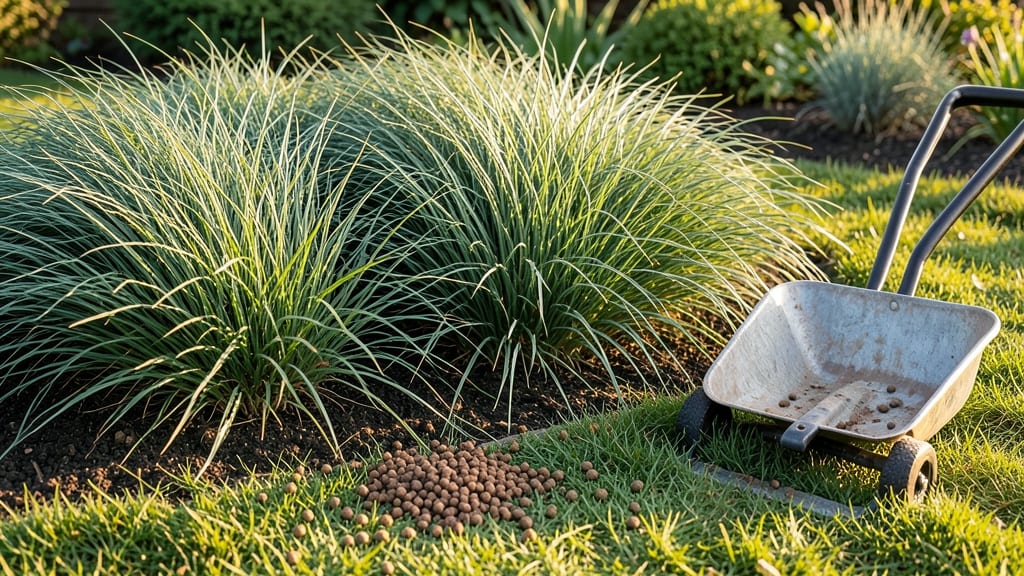
Your grass growing so fast it looks like a jungle? 🌱 That rapid growth isn’t always a good thing—it’s often a sign your lawn is either overfed, overwatered, or struggling to keep up with its own needs.
I’ve seen this happen after heavy spring rains or when neighbors start fertilizing too early, and the results are always the same: weak roots, shallow growth, and grass that can’t handle heat or drought.
The real issue usually boils down to three key factors: too much nitrogen (from fertilizer or compost), inconsistent watering (drenching one day, dry the next), or shade from new trees or structures cutting off sunlight.
My own lawn went from lush to leggy after I switched to a slow-release fertilizer without adjusting my watering schedule—turns out, grass grows fast when it thinks it’s drowning.
Here’s the good news: fixing it is simpler than you’d expect. Start by raising your mower blade to 3.5–4 inches to shade the soil and encourage deeper roots.
Then, cut back on watering to 1 inch per week (including rain) and test your soil—if the nitrogen levels are through the roof, a balanced fertilizer or organic matter like compost will bring things back into balance.
Within 2–3 weeks, you’ll see growth slow down and the grass thicken up.
Season matters too—spring and fall are when grass grows fastest naturally, but summer heat or winter dormancy can throw it off. The goal isn’t to stop growth entirely (that’s impossible without chemicals), but to match care to the season so your lawn stays healthy, not just fast.
Let’s get your grass growing smart, not just fast.
The Science Behind Rapid Grass Growth
When your lawn seems to be on a growth spurt, it’s usually your grass’s way of telling you something important about its environment. Understanding these triggers can help you manage—and even control—its explosive growth.
Here’s why your grass might be growing faster than expected, broken down by the key factors at play.
Grass thrives on nutrients like nitrogen, phosphorus, and potassium, but when these are overapplied—especially nitrogen—the result is a growth explosion. Here’s how it happens:
- Excess Nitrogen: This is the primary culprit. Nitrogen fuels leafy growth, but too much (from fertilizers, compost, or even pet waste) triggers hyperactive cell division.
Your grass may grow 2-3 times faster than normal, leading to weak, spindly blades that flop over. - Soil Testing Matters: Many homeowners guess their lawn’s needs. Without a soil test, you might be overfertilizing.
A simple test kit (available at garden centers) can reveal if your soil is already nutrient-rich. - Slow-Release vs. Quick-Release: Quick-release fertilizers (like urea) send an immediate nitrogen spike, causing rapid growth followed by a crash. Slow-release options (like sulfur-coated urea) provide steady, sustainable feeding.
Pro Tip: 💡 If your grass is growing too fast, skip the fertilizer for 4-6 weeks to let it mature. Mow higher (3-4 inches) to shade out weeds and reduce stress.
Water is the lifeblood of grass, but improper watering habits can send growth into overdrive—or create weak roots that look like fast growth but are actually a sign of distress.
- Overwatering: Grass grows fastest when the top 4-6 inches of soil stay consistently moist.
If you’re watering daily (or even every other day), you’re encouraging soft, weak stems that grow upward instead of downward (where roots strengthen). - Drought Followed by a Downpour: Grass rebounds aggressively after dry spells, using stored energy to sprout new blades.
This is why post-drought growth can look sudden and lush—it’s not sustainable. - Irrigation Timing: Early morning watering (4-8 AM) is ideal because it reduces evaporation and fungal risks. Watering at night can lead to blight and rapid, weak growth.
Action Step: ⏰ Adjust your watering schedule to 1-1.5 inches per week (including rain). Use a rain gauge or tuna can to measure—most lawns don’t need daily watering!
Grass growth is directly tied to photosynthesis, and changes in sunlight exposure can trigger a growth spurt—especially if your lawn was previously shaded.
- Newly Uncovered Areas: If trees or structures were removed, your lawn may now receive full sun for the first time.
Grass in these spots can grow 30-50% faster as it adapts to the extra light. - Seasonal Changes: In spring and fall, longer daylight hours (12+ hours) provide peak photosynthesis conditions, leading to rapid growth.
Summer’s intense heat can slow growth, but early-morning sun keeps it active. - Shade Stress Relief: If a tree was trimmed or removed, grass that was struggling in shade may now grow aggressively to take advantage of sunlight.
Quick Fix: 🌡️ If your lawn is in a transition zone (e.g., partial sun/shade), choose shade-tolerant grasses like fine fescue or zoysia to avoid future overgrowth struggles.
Grass growth isn’t just about nutrients—temperature plays a huge role. Warm-season grasses (like Bermuda or Zoysia) and cool-season grasses (like Kentucky Bluegrass) have optimal growth ranges, and straying outside these can cause erratic spurts.
| Grass Type | Optimal Growth Temp | Fast-Growth Trigger |
|---|---|---|
| Cool-Season | 60–75°F (15–24°C) | Mild spring/fall days (60–70°F) |
| Warm-Season | 75–95°F (24–35°C) | Early summer heat waves (80–90°F) |
| Transition Periods | 50–65°F (10–18°C) | Sudden warm snaps or cool summer nights |
- Spring Green-Up: Cool-season grasses wake from dormancy in late winter/early spring when soil temps hit 50°F (10°C).
This is the most aggressive growth phase of the year. - Summer Slowdown: Warm-season grasses may stall in extreme heat (above 95°F/35°C) but rebound when temps drop to 80–85°F (27–29°C). - Fall Revival: Cool-season grasses get a second growth surge in fall as days shorten but temps stay mild.
Pro Tip: ✨ Mow higher in summer (3.5–4 inches) to protect roots from heat stress, and reduce fertilizer in extreme temps to avoid burning.
Sometimes, what’s under your lawn is causing the above-ground explosion.
- Earthworm and Microbe Boom: Healthy soil teems with life, and earthworms aerate the soil, making nutrients more accessible.
If you’ve recently amended your soil with compost or organic matter, microbial activity can supercharge growth. - Grub Infestations: While grubs damage grass, their presence can also stimulate new growth as the lawn tries to recover.
Look for moles or birds digging—a sign of a grub party underground. - Weed Competition: Some weeds (like clover) fix nitrogen in the soil, feeding your grass but also encouraging uncontrolled growth.
Others (like crabgrass) grow aggressively in weak lawns, making it seem like your grass is thriving when it’s actually struggling.
Solution: 🔥 If pests are suspected, treat the soil with beneficial nematodes or grub-specific insecticides in early summer. For weeds, spot-treat with vinegar-based herbicides (for organic lawns) or pre-emergent in fall.
Not all grass is created equal. Some varieties are genetically programmed to grow faster than others.
- Aggressive Spreaders: Grasses like Kentucky Bluegrass and Bermuda have rhizomes or stolons (horizontal stems) that spread rapidly to fill bare spots.
This can make your lawn look thicker overnight—but it also means more mowing. - Hybrid Grasses: Some modern hybrids (like Tifway 419 Bermuda) are bred for fast recovery after mowing or drought, leading to consistent, rapid growth. - Seed vs. Sod: Newly seeded lawns grow faster than sod because seeds germinate and establish roots quickly, especially with proper watering.
Actionable Tip: 🎯 If you want a lower-maintenance lawn, consider slow-growing grasses like Buffalo Grass or Fine Fescue, which stay shorter and require less frequent mowing.
How to Slow Down Your Speedy Grass
If your lawn feels like it’s on a growth spurt, don’t panic—there are science-backed, practical ways to rein it in. Below, we’ll match the most common causes of rapid grass growth with actionable fixes, plus tips to keep your lawn lush without the chaos. Let’s get started!
If your grass is drinking like a camel in the desert, it’s time to adjust your watering habits. Overwatering not only fuels rapid growth but also weakens roots and invites pests. Here’s how to dial it back:
💧 Step 1: Check Your Watering Schedule
- Morning is key: Water early (between 4–8 AM) to reduce evaporation and fungal risks.
- Deep soak, not frequent sips: Aim for 1–1.5 inches per week (including rain). Use a rain gauge or tuna can to measure.
- Skip daily watering: Grass roots grow deeper with less frequent, deeper watering. Try the "10-minute rule"—water until the top 6 inches of soil are moist, then wait 3–4 days before repeating.
🌡️ Step 2: Adjust for Your Grass Type
Cool-season grasses (like Kentucky bluegrass or fescue) need more water in summer, while warm-season grasses (like Bermuda or Zoysia) thrive on drought tolerance. Pro tip: Mow higher (3–4 inches) to shade roots and retain moisture.
🔥 Prevention Tip:
- Install a smart sprinkler system or use soaker hoses to avoid runoff. If your soil drains poorly, consider aeration to improve absorption.
Paradoxically, too much sunlight can overstimulate grass growth, especially in hot climates. If your lawn is baking under the sun, it’s time to dial back the intensity.
🌿 Step 1: Mow Higher in Summer
- Set your mower to 3–4 inches in peak sun months. Taller grass shades roots, reducing stress and slowing growth spurts.
- Never remove more than ⅓ of the blade at once—this shocks the grass and encourages weak, rapid regrowth.
🌳 Step 2: Add Strategic Shade
- Plant shade trees (like oak or maple) on the lawn’s perimeter to naturally reduce sunlight exposure.
- Use shade cloth temporarily if you’re dealing with a new lawn or extreme heat. (A 30–50% shade cloth works well.)
💡 Pro Tip:
- Water deeply in the early morning to cool the soil and reduce heat stress. Avoid evening watering, which can promote fungal growth.
If you’ve been feeding your lawn like it’s a competitive eater, it’s time to let it digest. Too much nitrogen = turbocharged growth + weak grass.
📊 Step 1: Stop Fertilizing (For Now)
- Skip the next 4–6 weeks of fertilization to let the grass adjust. Rapid growth from excess nutrients makes grass thin and prone to disease.
- Switch to slow-release fertilizer if you must feed—it prevents spikes in growth.
🍄 Step 2: Test Your Soil
- Get a soil test kit (available at garden centers) to check nitrogen, phosphorus, and potassium levels.
- Adjust your fertilizer blend based on results. For example, if phosphorus is high, reduce it to curb vigorous growth.
✨ Prevention Tip:
- Use organic fertilizers (like compost or bone meal) for a gentler, slower nutrient release. Avoid quick-acting synthetic fertilizers in summer.
Grass grows fastest in warm, humid conditions—like a teenager with too much sugar. To cool things down:
⏰ Step 1: Mow Less Frequently
- Stretch out mowing sessions to every 7–10 days in summer. Longer grass stays healthier and grows more slowly.
- Use a mulching mower to return clippings to the soil—this recycles nutrients without overfeeding the lawn.
🌡️ Step 2: Prep for Dormancy
- Gradually reduce watering in late summer to encourage natural dormancy. Grass will grow slower as temps drop.
- Apply a light layer of mulch (straw or wood chips) in high-traffic areas to insulate roots and reduce stress.
💡 Pro Tip:
- Avoid heavy foot traffic in peak heat—compacted soil stresses grass and triggers compensatory growth.
If pests (like grubs) or fungal infections are hijacking your grass’s energy, it’ll grow erratically. Fix the problem first, then adjust care.
🔪 Step 1: Identify the Culprit
- Grubs? Look for brown patches that pull up easily (like a sod rug). Treat with beneficial nematodes or milky spore.
- Fungal issues? Yellow rings or slimy grass = overwatering + heat. Reduce watering and apply fungicide if needed.
🛡️ Step 2: Strengthen Defenses
- Aerate compacted soil to improve airflow and reduce fungal risks.
- Apply a pre-emergent herbicide in early spring to block weeds that compete with grass for nutrients.
🌱 Prevention Tip:
- Diversify your lawn with clover or creeping thyme in shaded areas—these plants resist pests and grow slower than grass.
If your lawn is still a wild, unruly jungle, a partial overseeding can help. This thins out aggressive growth while introducing slower-growing, hardier grass.
🌾 Step 1: Mow Low (But Not Too Low)
- Cut grass to 2 inches before overseeding to expose soil for seed contact.
🌱 Step 2: Choose the Right Seed Mix
- Pick a slow-growing, drought-tolerant blend (like tall fescue or buffalo grass) to replace fast-growing varieties.
💧 Step 3: Water Like a Pro
- Keep soil consistently moist (not soggy) for 2–3 weeks post-seeding. Use a light misting in the morning.
With these fixes, your lawn will go from "What even is this jungle?" to "Ah, a manageable, lush carpet." Start with one or two solutions that match your grass’s issues, and adjust as you go. Happy (slower) growing!
Frequently asked questions
Is fast grass growth always a bad thing?
Not necessarily! Rapid growth is natural in spring and fall when conditions are ideal. The issue arises when it’s uncontrolled, leading to weak, shallow roots and increased mowing needs. Healthy grass grows 1–2 inches per week in optimal conditions—faster than that often means overfeeding or overwatering.
Why does my grass grow faster in some spots than others?
Uneven growth usually means inconsistent sunlight, soil nutrients, or watering. Shadier areas grow slower, while sun-drenched spots may get 30% more growth. Check for buried roots, compacted soil, or recent fertilizer application—these can create "hot spots" where grass explodes. A soil test reveals nutrient imbalances too.
Will raising my mower height slow down growth?
Yes! Setting your mower to 3.5–4 inches shades soil, reduces evaporation, and encourages deeper roots—which naturally slows growth. Taller grass also blocks weeds and retains moisture better. Just avoid cutting more than ⅓ of the blade at once to prevent shock.
How long until I see results from adjusting water/fertilizer?
With proper watering (1–1.5 inches/week) and a fertilizer pause, you’ll notice slower growth in 2–3 weeks. For soil amendments (like compost), wait 4–6 weeks as microbes break them down. Patience is key—grass adjusts to new conditions gradually.
Can I use corn gluten meal to slow growth naturally?
Corn gluten meal is a pre-emergent herbicide that also acts as a slow-release fertilizer. Apply 20 lbs per 1,000 sq ft in early spring to curb weeds and reduce rapid grass growth. It’s organic, safe for pets after curing, and works best in cool seasons.