
Plants
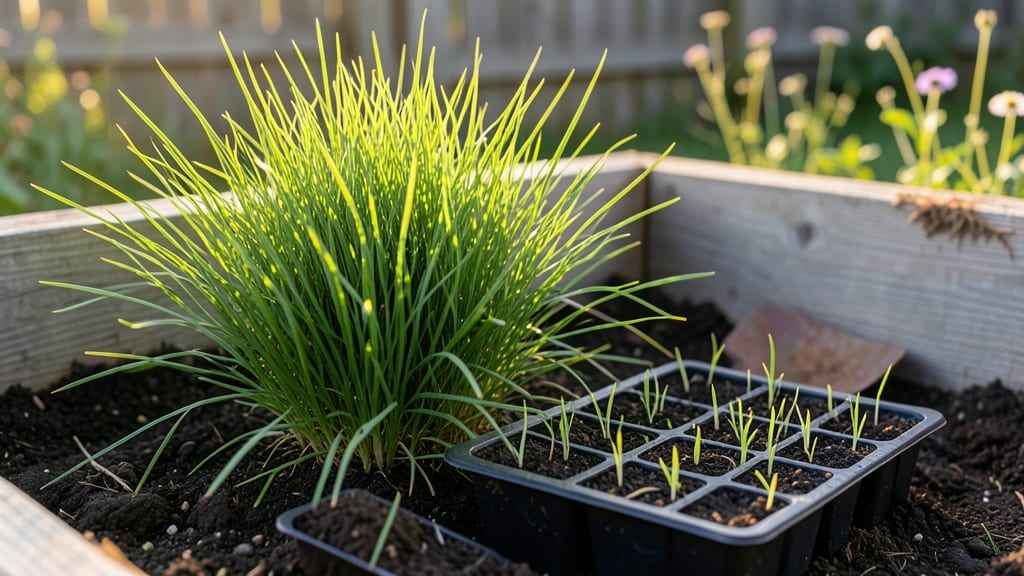
Planting winter grass in Arizona between September and November is the fastest way to establish a drought-resistant lawn before the monsoon rains or winter chill sets in.
You’ve probably noticed how some lawns in Phoenix or Tucson stay green year-round while others struggle — the difference often comes down to timing. Plant too early, and the summer heat can stress seedlings before they root.
Too late, and frost might creep in, stunting growth before winter dormancy kicks in.
Arizona’s 9b climate zone gives you a narrow window to work with, but getting it right means fewer weeds, deeper roots, and a lawn that thrives even when water restrictions tighten.
Below, I’ll break down the exact months to plant, how to prep your soil, and the 3 key signs your winter grass is on the right track.
Skip the guesswork and plant at the perfect moment to avoid common pitfalls like fungal growth or slow germination. By the end, you’ll know exactly when to set those seeds or lay sod for a lawn that stays lush through Arizona’s mild winters.
Best months to plant winter grass in Arizona for strong root growth
Arizona’s cool-season grasses like ryegrass and fescue need precise timing to thrive. Planting too early risks heat stress, while waiting too long delays root establishment before winter rains. The sweet spot is September through October, when soil temps drop and monsoon moisture lingers.
This window ensures 4-6 weeks of growth before potential frost or dormancy. In Phoenix and Tucson, aim for mid-September planting, while Flagstaff’s cooler climate allows slightly later starts in early October. Let’s break down the ideal schedule by Arizona’s microclimates.
| Region | Ideal Planting Window | Soil Temp | Rainfall Pattern | Key Consideration |
|---|---|---|---|---|
| Low Desert (Phoenix, Mesa) | Mid-Sept to Early Oct | 65-75°F | Monsoon tapers off | Urban heat islands delay cooling |
| Mid-Elevation (Prescott, Sedona) | Late Sept to Mid-Oct | 55-65°F | Early winter rains | Frost risk after Nov 15 |
| High Desert (Flagstaff) | Early Oct to Nov 1 | 45-55°F | Snowmelt moisture | Longer growing season |
In the Low Desert, September 15 is your cutoff—after this, daytime temps can exceed 95°F, stressing young seedlings. Tucson’s slightly cooler nights (70°F) extend the window to early October, but avoid planting after October 10 to prevent heat shock during day.
For Mid-Elevation areas like Prescott, focus on late September planting. These zones experience 50-60°F soil temps by October, perfect for ryegrass germination. If you miss this window, early October works but requires daily watering to compensate for cooling temps.
Flagstaff’s High Desert climate allows the latest starts. Plant early October for 6-8 weeks of growth before potential light frost in December. The cooler temps (45-55°F) mean slower germination, so use pre-germinated seed or sod for faster results.
Regardless of location, soil temperature is your best guide. Use a soil thermometer—ideal temps are 55-75°F. If temps drop below 50°F, germination slows dramatically. Morning planting is best to avoid midday heat stress on seeds.
After planting, consistent moisture is critical. Water deeply 2-3 times weekly for the first 4 weeks, then taper to weekly deep waterings. Avoid overhead sprinklers—they can wash away seeds. Instead, use drip irrigation or a soaker hose for gentle hydration.
By mid-November, most Arizona regions will see cooler nights and higher humidity, signaling winter dormancy. If your grass hasn’t established 2-inch roots by then, it may struggle through winter. Fescue handles dormancy better than ryegrass, so choose it for later plantings.
Pro tip: Test your soil’s pH before planting—winter grasses thrive in 6.0-7.0 range. If your soil is alkaline (common in Arizona), amend with sulfur or peat moss 2 weeks before planting for optimal nutrient uptake.
With the right timing and care, your winter grass will develop strong roots by December, ready to green up aggressively in January when rains return. Mulch lightly with straw after planting to retain moisture and protect seedlings from windburn.
How Arizona’s climate zones affect winter grass planting timing
Arizona’s diverse climate zones create unique challenges and opportunities for winter grass planting. The Low Desert (Sonoran) in Phoenix and Mesa experiences mild winters with rare frost, while the High Desert (Flagstaff) faces cooler temperatures and occasional light frost.
Even the Mid-Elevation (Prescott) zone requires adjustments to avoid seedling stress from temperature swings.
Urban heat islands in cities like Phoenix add another layer—concrete absorbs heat, raising soil temperatures 5-10°F warmer than rural areas. This means planting dates must account for both elevation and urban microclimates to ensure strong root establishment before winter dormancy.
| Zone | Ideal Planting Window | Frost Risk | Soil Temp (6" Depth) | Urban Adjustment |
|---|---|---|---|---|
| Low Desert (Phoenix/Mesa) | Late August–September | Rare (1-2 nights/year) | 75–85°F | Plant 2 weeks earlier (soil 10°F warmer) |
| Mid-Elevation (Prescott) | September–Early October | Light frost (5-10 nights/year) | 65–75°F | Use row covers if frost predicted |
| High Desert (Flagstaff) | Late September–October | Moderate (20-30 nights/year) | 55–65°F | Choose cold-hardy varieties (e.g., tall fescue) |
In the Low Desert, where soil stays warm well into October, aim to plant cool-season grasses like ryegrass or annual ryegrass by mid-September. This gives seeds 6-8 weeks to germinate before potential December frost, though it’s rare.
For Phoenix and Mesa, urban heat means soil may stay too warm—opt for shade-tolerant varieties if planting near buildings.
The Mid-Elevation zone’s cooler nights (down to 35°F) demand earlier planting. Tall fescue or fine fescue thrive here, but avoid Kentucky bluegrass, which struggles with temperature fluctuations. Use mulch to insulate soil and protect young seedlings from radiation frost.
At Flagstaff’s elevations (7,000+ ft), frost becomes a real factor. Plant after Labor Day to ensure soil temperatures stay above 55°F for germination. Hard fescue is your best bet—it tolerates 28°F without damage. If frost hits, cover seedlings with burlap or frost cloth until temperatures rise.
Regardless of zone, test soil moisture before planting—Arizona’s winter rains can lead to over-saturation if drainage is poor. Amend clay soils with compost or sand to prevent root rot, a common issue in High Desert areas with heavy clay.
Timing your winter grass correctly means lush growth by spring, ready for Arizona’s monsoon season. Adjust for your specific microclimate, and your lawn will reward you with drought-resistant vigor all year. 🌱