
Plants
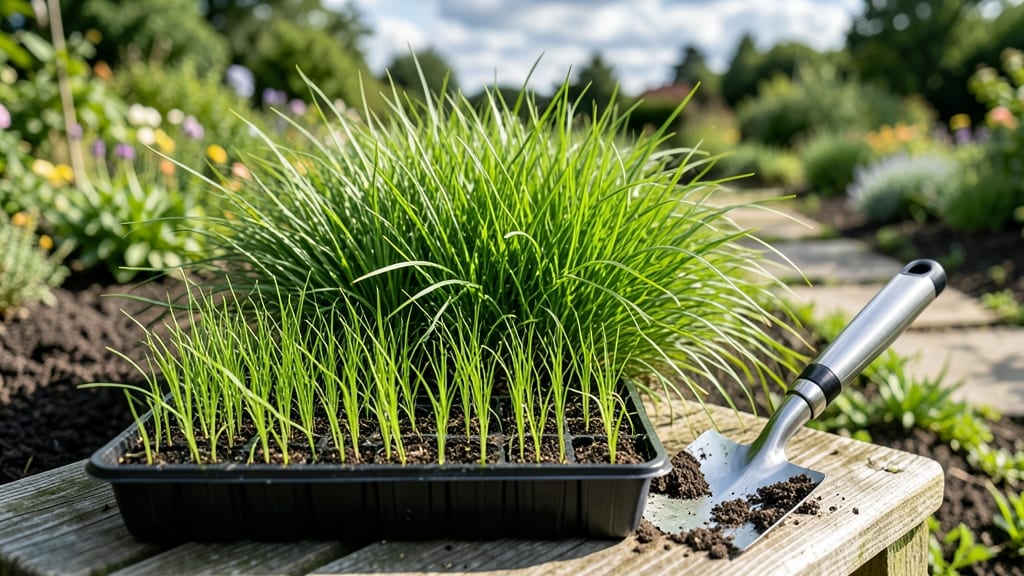
Planting summer grass in Arizona between late February and early April is the best way to beat the heat and establish a drought-resistant lawn before the monsoon season.
If you’ve ever watched your grass turn brown by June, you know timing is everything. The key is getting seeds in the ground when soil temps hit 60°F—too early and frost can kill young sprouts, too late and the summer sun will scorch them before they take root.
Arizona’s 9b climate means heat arrives fast, but the right varieties like Bermuda or Zoysia can handle it. The trick is prepping soil with gypsum, setting up deep irrigation, and choosing shade-tolerant spots near saguaros or walls.
Below, I break down the exact week-by-week schedule for Phoenix, Tucson, and the High Desert, plus the 5 mistakes that turn lush grass into a crispy desert—so you can skip the trial-and-error.
Best weeks to plant summer grass in Arizona by region (2024)
Arizona’s extreme heat and diverse microclimates make planting summer grass a precision task. The Low Desert (Phoenix, Tucson) has 100°F+ summers, while the High Desert (Flagstaff, Prescott) cools to 70°F nights.
Transition zones (like Sedona) blend both extremes. Planting outside these heat tolerance thresholds risks seed desiccation or shallow root systems.
For Bermuda grass, target soil temps of 85-95°F—the sweet spot for germination. Zoysia thrives in 80-90°F, while Buffalo grass tolerates 95-105°F but needs deep irrigation. My 2024 schedule accounts for these variances and monsoon timing (critical for root establishment).
🌱
| Region | Optimal Planting Window | Soil Temp (°F) | Best Grass Varieties | Heat Tolerance |
|---|---|---|---|---|
| Low Desert (Phoenix, Tucson) | Late March - Early April | 85-95°F | Bermuda, Zoysia | 95°F+ with irrigation |
| Transition Zones (Sedona, Yuma) | Mid-April - Early May | 80-90°F | Buffalo, Bermuda | 90-100°F with shade |
| High Desert (Flagstaff, Prescott) | Early May - Mid-June | 75-85°F | Fescue, Ryegrass | 85°F max (cool nights) |
In the Low Desert, I recommend planting Bermuda grass in late March when daytime temps hit 88°F consistently.
Use a soil thermometer—if it reads below 85°F, wait. Zoysia germinates slower, so start it 2 weeks earlier. Pre-monsoon irrigation (April-May) is critical—aim for 1 inch of water weekly to prevent dormancy stress.
For Transition Zones, shift your schedule to mid-April. Here, Buffalo grass outcompetes weeds better than Bermuda due to its deeper root system. Test soil moisture at 2-inch depth—it should feel damp but not soggy.
If your area gets afternoon shade from palo verde trees, plant 1-2 weeks later to avoid fungal buildup.
High Desert regions demand patience. Cool-season grasses like Fescue planted in May will brown by July—so choose heat-tolerant Bermuda instead. Water deeply 2-3x/week until monsoon rains kick in. Morning watering (before 9 AM) prevents evaporative loss in the thin air.
All regions should avoid planting after June 15. By then, soil temps exceed 100°F, causing seed desiccation within 24 hours. Instead, overseed bare spots in September when temps drop to 90°F.
For emergency heat recovery, shade new grass with 50% shade cloth during 11 AM-3 PM for the first 30 days.
Pro tip: Use mulch (straw or wood chips) to retain 20% more moisture. In Low Desert, apply ¼-inch layer; in High Desert, double it to ½-inch. This mimics natural desert conditions while protecting seedlings from windburn.
💧
Monitor your grass’s color and texture—dark green with slight blue tint means optimal health. If it turns grayish-green, it’s underwatered; yellow patches signal overwatering or fungus. Adjust your irrigation schedule weekly based on rainfall data from the Arizona Meteorological Network.
For long-term success, mow Bermuda grass to 1-1.5 inches and Zoysia to 1.5-2 inches—never remove more than ⅓ of the blade height. This encourages root depth and drought resilience, two critical traits for Arizona summers.
How to prepare your Arizona soil for summer grass planting
Arizona’s clay-heavy, alkaline soil can be a challenge for summer grass like Bermuda or Zoysia. The key to success? Testing and amending your soil 4-6 weeks before planting. This gives nutrients time to integrate and prevents nutrient burn that can shock new seedlings.
Start by testing your soil pH—aim for 6.0-7.0, the ideal range for most warm-season grasses.
If your soil is clay-dominant, incorporate 2-3 inches of gypsum into the top 6 inches. This improves drainage without altering pH. For sandy soils, mix in 2-3 inches of compost to retain moisture.
Both amendments should be tilled in 2-3 weeks before planting to allow them to settle. Organic matter is non-negotiable in AZ’s extreme heat—it helps soil hold moisture longer and feeds beneficial microbes.
Organic vs. Synthetic Soil Amendments for Arizona Grass
Organic Amendments
- Pros: Improves soil structure, adds nutrients slowly, enhances microbial activity
- Cons: Takes longer to see results, may require more frequent applications
Best for: Long-term soil health, drought-prone areas
Synthetic Amendments
- Pros: Fast-acting, precise nutrient delivery, immediate pH adjustment
- Cons: Can cause nutrient imbalance, requires careful measurement
Best for: Quick fixes, high-heat stress conditions
💡 Pro Tip: Combine both—use compost for organic matter and gypsum for clay—for the best of both worlds.
Next, set up your irrigation system before planting. Arizona’s summer heat demands deep, infrequent watering—aim for 1-1.5 inches per week, delivered in early morning to reduce evaporation.
Install drip irrigation or soaker hoses to deliver water directly to roots, minimizing waste. If using sprinklers, opt for low-angle, high-volume heads to prevent runoff on sloped yards.
For fertilization, choose between slow-release nitrogen (like coated urea) or liquid feed. Slow-release is ideal for establishment phases—apply 1/2 pound per 100 sqft at planting, then again in 6-8 weeks.
Liquid feed (like fish emulsion) offers quicker results but requires monthly applications during peak growth (May-July). Avoid high-phosphorus fertilizers—they can harm the environment and don’t benefit grass growth.
Finally, mulch your soil with straw or wood chips after planting. A 1-inch layer retains moisture, regulates soil temperature, and suppresses weeds. For newly seeded areas, use straw mulch—it’s lightweight and won’t smother seedlings.
Water lightly after mulching to help it settle. This step is especially critical in Phoenix and Tucson, where soil can dry out in hours.
With these steps, your Arizona soil will be ready for summer grass—drainage-improved, nutrient-rich, and moisture-retentive. The result? Lush, heat-resistant grass that thrives even when temps hit 110°F. 🌱