
Plants
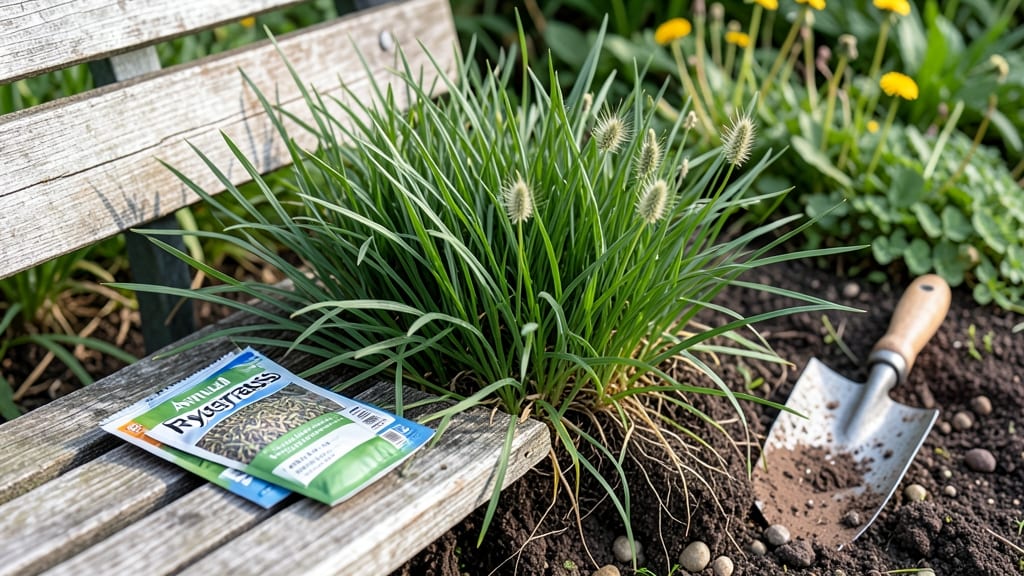
Planting ryegrass in Alabama between September and October or March and April sets you up for a thick, resilient lawn—because timing is everything in the Deep South’s heat and humidity.
Get it wrong, and you’ll either watch your grass bolt into seed before winter or struggle to establish roots before summer’s brutal heat. Alabama’s USDA zones 7b-8b mean frost dates shift dramatically from the Gulf Coast to the Appalachians, so a one-size-fits-all approach won’t cut it.
In this guide, I’ll break down the exact planting windows for your heat zone, how to prep soil for Alabama’s clay-heavy regions, and the 5 signs you’re planting at the wrong time—so you avoid the costly mistakes I’ve seen too many gardeners make.
By the end, you’ll know whether to seed in fall or spring, how deep to plant, and when to fertilize for maximum growth—no guesswork, just a perfect lawn.
Alabama ryegrass planting calendar by heat zone (fall vs. spring)
Alabama’s 9 heat zones (ranging from 7b to 8b) create unique microclimates that drastically affect ryegrass success. Planting at the wrong time can lead to bolting (premature flowering) in fall or summer dormancy before roots establish.
My goal? Help you pinpoint the ideal 4-6 week window before your first frost for fall planting—or the 4-6 week window before last frost in spring.
Ryegrass thrives in Alabama’s cool-season but wilts under 90°F+ temperatures. The key is planting when soil temps stay below 80°F but above 50°F—a sweet spot for germination without stress.
Below, I’ve broken down planting by USDA zone overlaps and first frost dates, so you can avoid common mistakes like overseeding too late in fall or starting spring too early.
Notice how Gulf Coast zones (8a-8b) can plant ryegrass as late as late August, while mountain zones (7b) must start by mid-September to avoid winter die-off.
This difference comes from Alabama’s 10°F temperature swing between north and south. Use a soil thermometer to confirm temps—ideal germination happens at 60–75°F.
For fall planting, aim to finish 4–6 weeks before your first frost date. This gives roots time to establish before winter dormancy. In central Alabama (7b-8a), that means planting by October 10, while south Alabama can extend to September 30.
Pro tip: If you’re in a warmer microclimate (like near Mobile), choose annual ryegrass varieties that tolerate slightly higher temps.
Spring planting follows the same 4-6 week rule, but here the goal is to beat the last frost date. In north Alabama (7b), plant by April 1 to avoid summer heat stress, while south Alabama (8b) can push to April 20.
Watch for soil moisture—spring rains can delay planting, so use a moisture meter to ensure the top 2 inches of soil are dry before sowing.
One critical mistake I see is planting ryegrass in summer (June–August). The heat causes seed dormancy or bolting, wasting your time and seed. Instead, use summer to aerate your lawn and test soil pH (ideal: 6.0–7.0).
If your soil is too acidic, add lime 4–6 weeks before planting to give it time to adjust.
For overseeding existing lawns, follow the same calendar but reduce seed depth to ¼ inch. Lightly rake the soil to break seed dormancy and improve contact with moisture. Water
How to adjust planting for Alabama’s microclimates (coastal vs. mountain regions)
Alabama’s diverse geography creates three distinct microclimates for ryegrass planting: the humid Gulf Coast, the heavy-clay Black Belt, and the cooler Appalachian foothills. Each requires unique timing and soil prep to avoid summer dormancy or winter die-off.
For example, coastal areas like Mobile can plant 2 weeks earlier than the mountains near Huntsville due to milder winters.
In the Gulf Coast region (USDA zones 8a-8b), annual ryegrass thrives when planted in late August to early September to capitalize on the longer growing season. The extra humidity demands well-draining soil to prevent fungal issues.
Meanwhile, the Black Belt’s clay-heavy soils (zones 7b-8a) need amended planting beds and a September 15-October 15 window to avoid waterlogging.
| Region | Best Planting Window | Seed Variety | Soil Prep Tip |
|---|---|---|---|
| Gulf Coast | Late Aug - Early Sep | Annual Ryegrass | Add sand for drainage |
| Black Belt | Sep 15 - Oct 15 | Tall Fescue Mix | Test pH (6.0-7.0) |
| Appalachian | Oct 1 - Nov 1 | Perennial Ryegrass | Mulch with straw |
The Appalachian Mountains (zones 6b-7a) demand the latest planting dates—October 1-November 1—to avoid early winter freezes. Here, perennial ryegrass outperforms annual varieties due to its cold-hardiness.
I’ve seen it survive 20°F nights in North Alabama with proper mulching. For all regions, soil temperature should be 60-70°F at planting time.
Adjust your watering schedule based on region too: Gulf Coast areas need daily morning watering post-planting, while mountain regions can stretch to every other day once established. The Black Belt’s clay holds moisture longer, so reduce frequency but increase depth to 1 inch per week during establishment.
For spring planting, Gulf Coast areas can start as early as February 15, while mountain regions should wait until March 15 to avoid late frost damage.
In my Black Belt garden, I’ve had success with cool-season overseeding in November—just cover seeds lightly with straw to protect from wildlife and heavy rains.
Remember: Alabama’s microclimates can shift planting windows by 3-4 weeks. Use your local Cooperative Extension office for precise frost dates, and always test soil moisture before watering—overwatering in clay soils is just as harmful as underwatering in sandy coastal areas. 🌾