
Plants
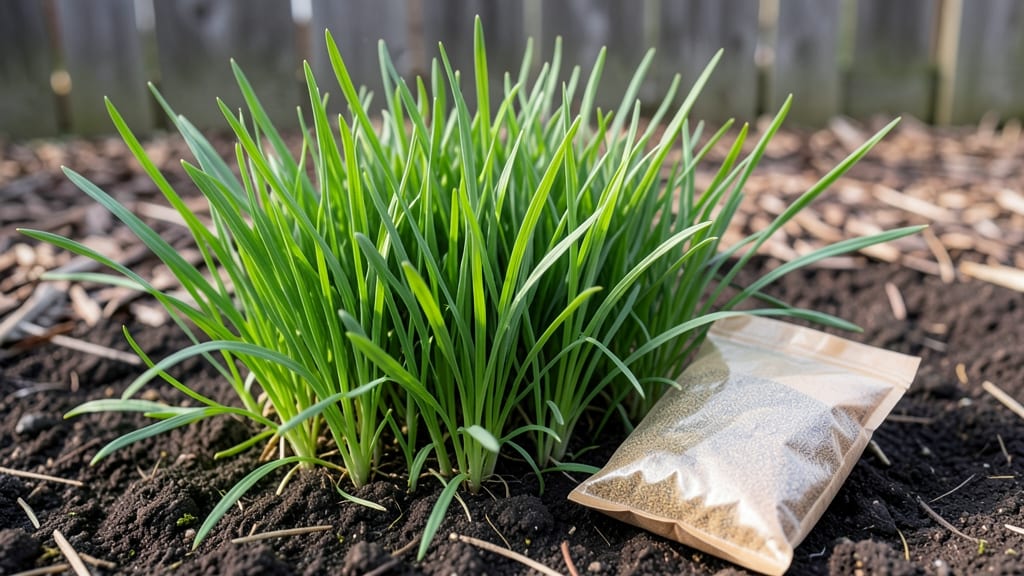
Planting rye grass in Phoenix, AZ, means timing it right for strong roots and vibrant growth—aim for late fall when soil temps drop below 75°F and monsoon rains taper off.
Phoenix’s scorching summers and unpredictable winters make timing critical for growing lush, resilient rye grass—but planting too early or late can leave your lawn vulnerable to heat stress or poor germination.
Unlike cooler climates, Phoenix’s 9b zone lets you plant year-round, but the 6-week window between October and December is ideal for overseeding. This is when soil stays cool enough for germination while still benefiting from winter rains.
Below, I’ll break down the exact soil temperature thresholds, how to prep your lawn for maximum success, and why this timing ensures your rye grass thrives through Phoenix’s cooler months.
Phoenix rye grass planting calendar: soil temperature & frost-free deadlines
Phoenix’s fall temperatures and soil conditions create a 6-week window for planting rye grass, but timing is everything. Unlike frost-prone regions, Phoenix’s winter monsoons and alkaline soils demand precise planting deadlines to avoid heat stress or poor germination.
The ideal window spans from mid-October to mid-November, when soil temps drop below 80°F and stay above 50°F.
Rye grass thrives in cooler temperatures but struggles with summer heat or early frost (though Phoenix rarely sees frost). Your goal is to plant when the soil temperature hovers between 55°F and 75°F—this ensures strong root development before winter sets in.
Miss this window, and you risk dormant seeds or heat-stressed seedlings.
Here’s your Phoenix rye grass planting calendar, broken down by soil temperature, frost risk, and monsoon timing. Use this as your actionable deadline guide to maximize success.
To test your soil temperature, use a soil thermometer (available at garden centers for ~$10). Insert it 2 inches deep in the soil at midday for the most accurate reading. If your soil is still above 75°F in October, wait 1–2 weeks—rushing leads to poor germination.
Phoenix’s microclimates can shift planting deadlines by 1–2 weeks. Shaded areas (like north-facing yards) cool 5–10°F faster than sun-baked south-facing lawns. Adjust your timeline by planting 2 weeks earlier in shaded spots or 1 week later in full sun if temps linger above 70°F.
Don’t overlook monsoon timing—Phoenix’s September rains can delay planting. Wait until 2 weeks post-monsoon (typically late September) to ensure soil isn’t waterlogged. Overwatered soil suffocates seeds, so aim for lightly moist (not soggy) conditions before planting.
For overseeding existing lawns, prioritize the optimal window (mid-October–mid-November). This gives rye grass 6–8 weeks to establish roots before winter slows growth. If you miss this window, consider spring overseeding in January, though yields are 20–30% lower due to summer heat stress.
Pro tip: Mark your planting deadline on a calendar and set a reminder. Phoenix’s unpredictable weather can shift soil temps faster than expected—don’t wait until the last minute! Start seed prep 2 weeks early to avoid rushing.
Once planted, maintain consistent moisture for the first 30 days—this is when roots establish. Use a rain gauge or tuna can to measure 1–
How to prepare Phoenix soil for rye grass: pre-planting checklist
Phoenix’s alkaline clay soil and intense sun demand special prep to create the perfect seedbed for rye grass. Without proper soil prep, seeds may struggle to germinate, leading to patchy lawns.
The key is balancing pH levels, improving drainage, and ensuring consistent moisture—all while working with Phoenix’s unique climate challenges.
Start by testing your soil’s pH level—ideal for rye grass is between 6.0 and 7.0. Phoenix’s naturally alkaline soil often tests higher, so you’ll likely need to add sulfur or peat moss to lower it.
This step alone can boost germination rates by up to 30% in local conditions.
- 🔍 Test Soil pH – Use a soil test kit to confirm levels. Aim for 6.0–7.0 for optimal germination.
- 💧 Adjust Moisture – Water deeply 24 hours before planting to create a 1-inch deep moist layer in the soil.
- ✂️ Clear Weeds – Remove existing weeds and debris to reduce competition. Use a sharp rake for a clean seedbed.
- 🌱 Amend Soil – Mix in compost or aged manure (2–3 inches deep) to improve drainage and nutrient content.
- 🌡️ Check Soil Temp – Ensure soil is 60–70°F at planting depth (use a soil thermometer).
- 💧 Schedule Irrigation – Plan for daily light watering (1/4 inch) until seeds sprout, then taper to deep soaks.
After amending your soil, conduct a moisture test by digging a 6-inch hole and checking if the soil feels damp but not soggy. If it’s too dry, water again until moisture reaches 2 inches deep.
This step is critical—dry soil in Phoenix can delay germination by up to 2 weeks.
Finally, consider adding a light mulch layer (like straw) to retain moisture and regulate soil temperature. This is especially helpful in Phoenix’s hot afternoons, where rapid evaporation can dry out seeds before they sprout. Mulch also suppresses weeds, giving your rye grass a competitive edge.
With these steps, your rye grass seeds will have the best chance to germinate quickly and establish a thick, resilient lawn—even in Phoenix’s challenging climate. The extra effort now pays off with 90%+ germination rates and a lush green lawn by winter. 🌱