
Plants
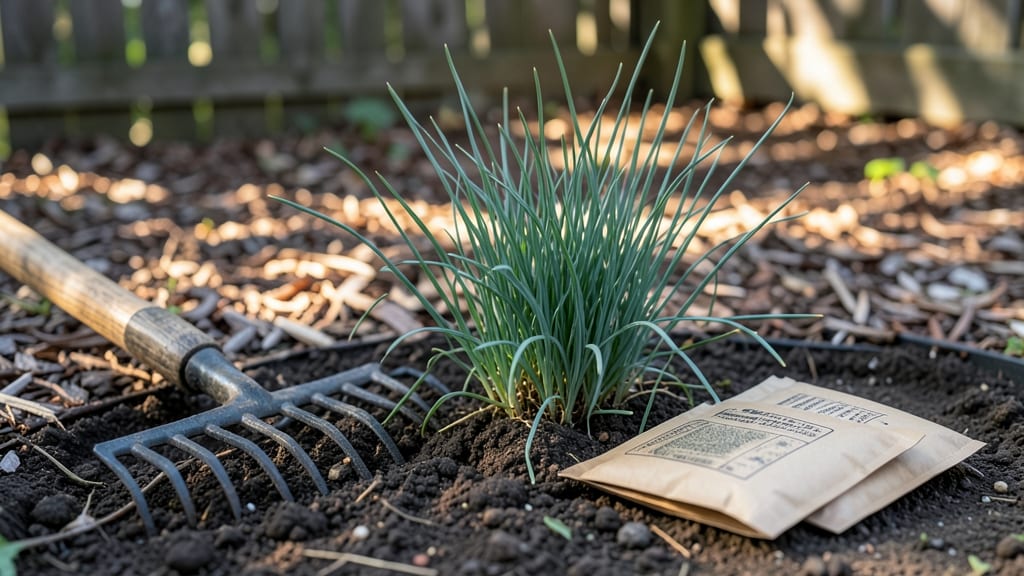
Planting grass seed in Kentucky at the right time is the difference between a lush lawn and a patchy, weed-filled disappointment.
Kentucky’s diverse climate—from humid river valleys to cooler Appalachian foothills—means your perfect time to plant grass seed isn’t one-size-fits-all. Plant too early or late, and your lawn could struggle with heat, frost, or poor germination. Here’s how to pinpoint the exact window for your Kentucky microclimate.
Cool-season grasses like tall fescue and Kentucky bluegrass thrive when soil temperatures sit between 50°F and 65°F, which in most of the state means early spring (March–April) or early fall (September–October).
Warm-season grasses like Bermuda prefer warmer soil, ideally 65°F–75°F, making late spring the sweet spot for Southern Kentucky.
Below, I break down the best months by region, how to prep your soil for success, and the three mistakes that ruin germination—so you can finally get that thick, green lawn you’ve been dreaming of.
Best months to plant grass seed in Kentucky by region
Kentucky’s diverse climate creates distinct planting zones, so timing your grass seed depends heavily on where you live. Northern Kentucky’s cooler microclimates (like the Cincinnati suburbs) favor early spring planting, while Southern Kentucky’s warmer valleys (such as the Pennyrile Plateau) often extend the fall window.
Even within these regions, elevation shifts of just 500 feet can change optimal planting dates by weeks.
Most Kentucky lawns use cool-season grasses like tall fescue or Kentucky bluegrass, which thrive when soil temps stay between 50-65°F. Warm-season grasses like Bermuda or Zoysia (common in urban heat islands) need soil at 65-75°F for germination.
Below, we’ll break down the exact months for each region, including adjustments for microclimates like the Bluegrass Region’s limestone-influenced soils.
Pro Tip: Use a soil thermometer to confirm readiness—planting when soil temps match your grass type’s ideal range doubles germination success. For example, tall fescue planted at 60°F soil will sprout faster than at 45°F, even if both are in "spring."
| Region | Climate Type | Cool-Season Grass Window | Warm-Season Grass Window | Key Microclimate Notes |
|---|---|---|---|---|
| Northern KY (e.g., Boone, Kenton) | Cooler, shorter growing season | March 15–April 15 (soil 50°F+) | Late May–June 15 (soil 70°F+) | Higher elevations (e.g., Pine Mountain) delay spring by 2 weeks |
| Central KY (e.g., Lexington, Louisville) | Moderate, transitional zone | March 1–April 30 (flexible) | April 15–June 1 (earlier in urban heat) | Bluegrass Region’s limestone soils dry faster—water more frequently |
| Southern KY (e.g., Paducah, Bowling Green) | Warmer, longer fall window | February 15–April 15 or September 15–October 31 | April 1–June 30 (extend to July in heat islands) | Pennyrile Plateau’s clay soils stay moist longer—plant warm-season earlier |
| All Regions (Urban Heat Islands) | Microclimate: Pavement absorbs heat | Shift 2 weeks earlier (e.g., Feb 15 instead of March 1) | Extend 2 weeks later (e.g., July 15 instead of July 1) | Use shade-tolerant varieties like fine fescue in hot microclimates |
In Northern Kentucky, where last frost dates hover around March 15, planting tall fescue before mid-March risks frost damage. Wait until soil temps consistently stay above 50°F—typically late March to mid-April.
For warm-season grasses, delay until late May to avoid early summer drought stress. Urban areas like Cincinnati can plant 1-2 weeks earlier due to heat island effects.
Central Kentucky’s Bluegrass Region offers the most flexibility, with cool-season grasses tolerating planting from March through April. However, Kentucky bluegrass planted in late April may struggle with summer heat unless you use shade-tolerant varieties.
The Pennyrile Plateau in Southern Kentucky extends the fall window into late October due to slower cooling—ideal for tall fescue establishment before winter.
If you’re in Southern Kentucky, don’t miss the fall planting window. Soil temps stay warm enough for cool-season grasses until mid-October, giving seedlings time to root before winter. Bermuda grass, common
How Kentucky’s climate zones affect grass seed germination success
Kentucky’s USDA Hardiness Zones 6b-7a create unique challenges for grass seed germination. The humid subtropical climate in Southern Kentucky contrasts sharply with the cooler Appalachian foothills in the north. These differences mean your ideal planting window depends on your exact location—and even your microclimate within it.
For cool-season grasses like tall fescue and Kentucky bluegrass, germination thrives when soil temperatures hover between 50-65°F. Meanwhile, warm-season grasses such as Bermuda grass need 65-75°F to sprout consistently. Kentucky’s variable rainfall patterns also play a role—too much moisture can suffocate seeds, while drought stress halts growth.
Soil preparation becomes even more critical in Kentucky’s clay-heavy soils. Amending with compost or sand improves drainage, while pH testing (ideal range: 6.0-7.0) ensures nutrients are available. Without these steps, seeds may struggle to break dormancy, even in perfect weather.
Adjust your planting dates based on Kentucky’s unpredictable weather. If your spring arrives early (like in Zone 7a), plant cool-season grasses by mid-March to avoid summer heat stress.
Conversely, in Zone 6b areas, wait until late April to prevent frost damage. For warm-season grasses, delay until soil warms past 60°F, typically mid-May in most of Kentucky.
Use a soil thermometer to verify conditions—this small investment prevents costly mistakes. In humid Southern Kentucky, watch for fungal diseases like brown patch, while northern regions may face drought stress if rainfall is sparse. Both scenarios can derail germination if not monitored.
For maximum success, pair proper timing with consistent moisture. Water daily for 10-15 minutes until seeds germinate, then taper to 2-3 times weekly. Mulch lightly with straw to retain moisture and regulate soil temperature—critical in Kentucky’s swinging seasons.