
Lawn
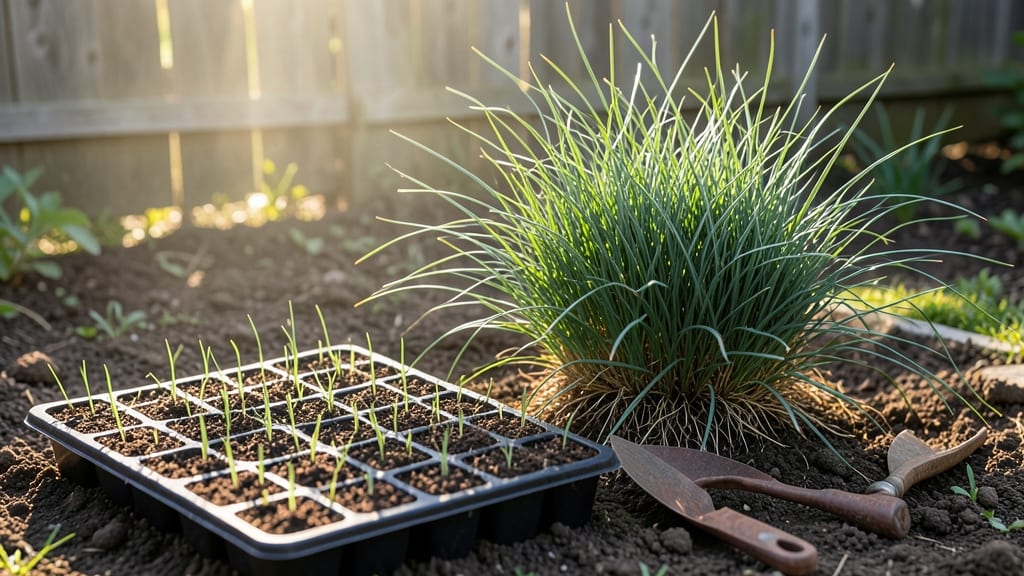
Planting grass in Indiana when soil temperatures hit 50°F or warmer is the key to a lawn that thrives all season.
Indiana’s unpredictable spring weather can turn a perfect grass planting window into a frustrating gamble—unless you know the exact soil temperatures and timing that guarantee thick, lush lawns. One week of cool soil can leave your seeds sitting dormant for weeks, while planting too early risks frost damage.
For Indiana’s USDA Zones 5b-6b, the best time to plant grass is either in early spring (March–April) or early fall (September–October), when the ground is workable and frost isn’t a threat. This timing ensures your grass establishes strong roots before summer heat or winter cold sets in.
Below, I’ll break down the ideal planting schedule, soil prep tips for Indiana’s clay-heavy soils, and how to avoid the three biggest mistakes that ruin lawns before they even take hold.
Indiana grass planting timeline: best months by soil temperature
Timing is everything when planting grass in Indiana, where soil temperatures and microclimates vary dramatically between northern and southern regions. Cool-season grasses like Kentucky bluegrass and tall fescue thrive when soil hits 50°F+, while warm-season varieties such as Bermuda grass need 60°F+ to germinate.
Missing these windows means slower establishment or even failure—especially in Indiana’s USDA Zones 5b-6b.
Most Indiana gardeners plant in early spring (March–April) or early fall (September–October), but your exact timing depends on whether you’re in northern Indiana (Zone 5b) or southern Indiana (Zone 6b).
Northern areas experience frost until mid-April, while southern regions can plant 2–3 weeks earlier due to milder winters. Let’s break it down by season and soil conditions.
| Season | Best Months | Soil Temp Threshold | Grass Type | Indiana Region |
|---|---|---|---|---|
| Spring | March–April | 50°F+ (10°C+) | Cool-season (Kentucky bluegrass, tall fescue) | All regions |
| Fall | September–October | 55°F–65°F (13°C–18°C) | Cool-season (best for root growth) | All regions |
| Late Spring | May (if soil >60°F) | 60°F+ (16°C+) | Warm-season (Bermuda, Zoysia) | Southern Indiana (Zone 6b) |
| Avoid | June–August | >75°F (24°C+) | Any grass (heat stress risk) | All regions |
For northern Indiana (Zone 5b), aim to plant cool-season grasses between mid-March and mid-April. Soil temperatures typically hit 50°F+ by early April, but frost can linger until mid-April.
Use a soil thermometer to confirm—planting too early risks frost damage, while waiting too long may lead to summer drought stress.
In southern Indiana (Zone 6b), you can start 2–3 weeks earlier, often by late February to early March. The warmer microclimate allows soil to warm faster, but avoid planting if nighttime temps drop below 40°F.
Warm-season grasses like Bermuda grass can be sown in late May once soil exceeds 60°F, but this is riskier due to summer heat.
Fall planting in Indiana is ideal for cool-season grasses because soil stays warm while air temps drop, reducing weed competition. Target September 1–October 15, with soil temps between 55°F–65°F. This gives grass 4–6 weeks to establish roots before winter dormancy.
In northern Indiana, aim for early September to avoid early frost, while southern Indiana can extend planting until mid-October.
One common mistake is relying on air temperature instead of soil temperature. A 60°F air temp in March might hide 45°F soil, stalling germination. Use a soil thermometer (available for $10–$15) to check 2 inches deep—the depth where grass seeds germinate.
For cool-season grasses, wait until soil consistently stays above 50°F for 5+ days.
If you’re in Zone 5b (northern Indiana), consider overseeding in September instead of spring planting. Cooler temps and consistent moisture create perfect conditions for Kentucky bluegrass to fill in thin patches.
For Zone 6b (southern Indiana), late fall planting can extend into early November, but avoid planting if frost is forecasted within 2 weeks.
Pro tip: Water deeply after planting
How to prepare Indiana soil for grass planting: step-by-step guide
Indiana’s clay-heavy soils and variable weather demand careful prep before planting grass. Without proper preparation, your seeds may struggle to germinate or your lawn could become a battleground for weeds.
The key to success lies in testing your soil pH, loosening compacted areas, and choosing the right grass type for your region’s USDA Zone 5b-6b climate.
Most Indiana gardeners focus on cool-season grasses like Kentucky bluegrass and tall fescue, which thrive in our spring and fall planting windows. However, warm-season grasses like buffalo grass are gaining popularity for their drought tolerance.
Let’s break down the essential steps to prepare your soil for a lush, healthy lawn that will stand up to Indiana’s challenges.
🌱 Step-by-Step Soil Prep for Indiana Grass Planting
-
Step 1: Test Soil pH
Use a soil test kit to check pH—aim for 6.0–7.5. Indiana’s clay soils often test acidic (<6.0), requiring lime to adjust. -
Step 2: Remove Weeds & Debris
Clear the area of weeds, rocks, and dead plants. Use a broadfork or till to loosen soil 6–8 inches deep. -
Step 3: Amend Clay Soil
Mix in 2–3 inches of compost or sand to improve drainage. For heavy clay, add peat moss to lighten texture. -
Step 4: Level the Ground
Rake the soil to create a smooth, even surface. Fill low spots with topsoil to prevent water pooling. -
Step 5: Choose the Right Grass Seed
For Indiana’s climate, opt for tall fescue (drought-resistant) or Kentucky bluegrass (spreads quickly). Buffalo grass is ideal for dry areas. -
Step 6: Apply Starter Fertilizer
Use a high-phosphorus fertilizer (10-20-10) to promote root growth. Spread evenly before planting. -
Step 7: Water Thoroughly
Keep soil moist but not soggy for the first 2–3 weeks. Water early morning to reduce evaporation.
After preparing your soil, plant grass seeds when soil temperatures reach 50°F+ (spring) or 60°F+ (fall). For Indiana’s clay soils, consider overseeding in early September to take advantage of cooler temps and consistent moisture. This timing helps grass establish before winter dormancy.
One common mistake is skipping the soil test—many Indiana lawns suffer from compacted, acidic soil that stunts grass growth. By following these steps, you’ll create the perfect foundation for a thick, resilient lawn that withstands Indiana’s hot summers and cold winters. 🌱
For extra protection, apply a pre-emergent herbicide in late March to prevent weeds before grass sprouts. Once established, your lawn will be the envy of your neighborhood! ✂️