
Plants
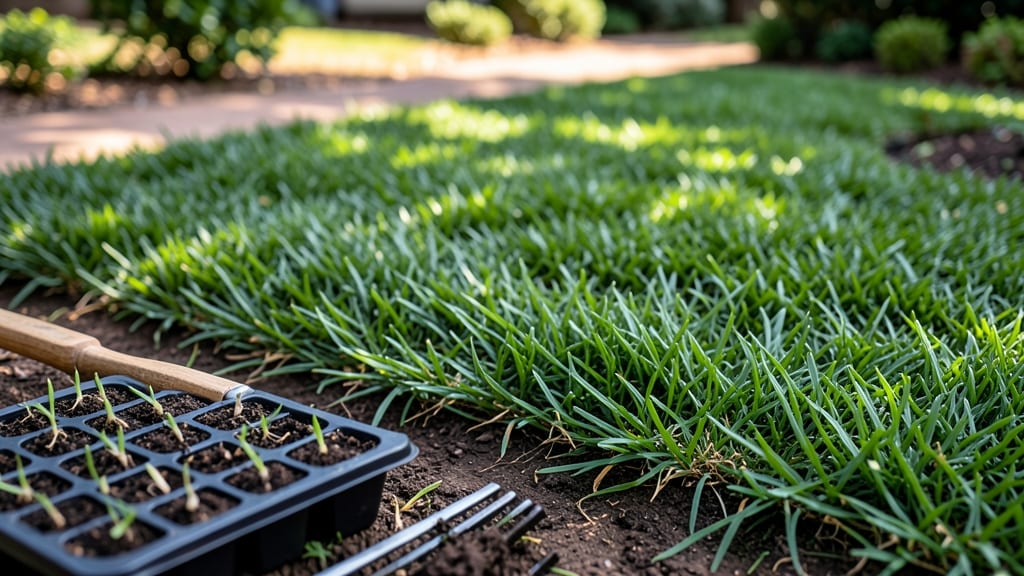
Planting grass in Florida during the right months is the secret to a lawn that stays thick, green, and weed-free year-round—no matter which variety you choose.
Picture this: you’ve spent hours prepping your soil, picking out the perfect seed mix, and even fighting off weeds, only to watch your grass struggle under the blazing sun or drown in summer storms.
That’s because Florida’s climate isn’t one-size-fits-all—what works in North Florida’s 8a zone fails spectacularly in South Florida’s 10a-11. The good news? There’s a science-backed schedule that turns patchy lawns into envy-worthy carpets with minimal effort.
Most Florida homeowners swear by planting in early spring (March–April) or late summer/fall (August–October), when soil temperatures hover in the ideal 60–75°F range. These windows avoid the brutal summer heat and hurricane season, giving your grass the best shot at rooting deep and staying resilient.
But here’s the catch: your region matters. North Florida’s cooler winters mean you can plant as early as January, while South Florida’s frost-free year-round climate shifts the focus to avoiding the peak heat of June and July.
In this guide, I’ll break down the exact months to plant by region, the top grass varieties for Florida’s climate, and the prep steps that make the difference between a lawn that thrives and one that’s a constant battle.
Ready to skip the guesswork and grow grass that stays lush all year?
Best months to plant grass in Florida by region (north vs. Central vs. south)
Florida’s climate varies dramatically from north to south, meaning the perfect grass planting window depends entirely on where you live. In North Florida (USDA Zone 8a), cooler winters and hotter summers demand precise timing, while Central Florida (Zone 9a) offers a longer growing season.
Meanwhile, South Florida (Zones 10a-11) allows near year-round planting—but even here, extreme heat can stress young grass. Let’s break down the ideal months for each region to ensure your lawn thrives.
For all regions, the golden rule is to plant when soil temperatures hover between 60-75°F. This range ensures seeds germinate quickly without drying out or overheating. In Florida, this typically aligns with early spring and late summer/fall, but the exact window shifts based on your location.
For example, North Florida’s cooler winters allow earlier spring planting, while South Florida’s humidity can make summer planting risky despite warm soil.
Here’s the key difference: North Florida homeowners should avoid planting in June-August due to scorching heat, while South Florida can plant almost year-round—but still benefits from cooler months. Central Florida sits in the middle, offering flexibility but requiring attention to hurricane season (June-November), which can delay outdoor work.
Let’s dive into the region-specific planting schedules to help you pick the best time for your lawn.
In North Florida, the cool, dry spring (February–April) is ideal for planting because soil stays moist from winter rains, and temperatures are perfect for seed germination. If you miss this window, your next best bet is late summer/early fall (September–October), when humidity drops and soil remains warm.
This region’s cooler winters also allow for winter overseeding of cool-season grasses like tall fescue, though it’s rare in Florida.
For Central Florida, the dry season (January–March) offers the best conditions, with lower humidity and soil temperatures in the 65–78°F range. However, hurricane season (June–November) can disrupt planting plans, so many homeowners opt for August–September instead.
This timing avoids the worst of the storms while still benefiting from consistent rainfall that keeps seeds hydrated. Just be sure to cover new seedings if a storm rolls in.
South Florida’s tropical climate makes it unique—you can technically plant grass anytime, but the best results come from January–April and September–November. During these windows, soil temperatures stay ideal (70–80°F), and humidity is slightly lower, reducing fungal risks. Summer planting is possible but requires extra irrigation and shade protection for young grass to survive the intense sun and heat.
Regardless of your region, avoid planting during extreme weather. In North Florida, this means skipping July–August when temperatures can exceed 95°F. In Central and South Florida, peak hurricane season (September–October) can delay projects, so plan ahead.
Additionally, soil preparation is critical—Florida’s sandy soils drain quickly, so amend with compost and water deeply after planting to encourage root growth.
Pro tip: Use a soil thermometer to check temperatures before planting. If your soil is above 80°F, wait a few weeks—even in South Florida. Patience here pays off with a thicker, greener lawn that outcompetes weeds.
For fastest establishment, pair your planting with a pre-emergent herbicide to block weeds while the grass gets its footing.
Finally, choose your grass variety wisely. North Florida thrives with tall fescue or Bermuda, while Central and South Florida favor St. Augustine, Zoysia, or Bahia. Each type has its own optimal planting window, so match your grass to your region’s climate for the best results.
With the right timing, your Florida lawn can go from bare patches to lush green in just a few months.
How to prepare your Florida lawn for planting (soil, seed selection, and pre-treatment)
Before you even think about seeding your Florida lawn, soil preparation is the foundation for success. Florida’s sandy, fast-draining soils often lack the nutrients and organic matter needed for healthy grass growth.
I’ve learned the hard way that skipping this step leads to patchy germination and weak roots that can’t compete with weeds.
Start by testing your soil pH—most Florida grasses thrive in a range of 5.5 to 6.5. You can grab a DIY test kit from your local garden center or send a sample to the UF/IFAS Extension for professional analysis.
If your soil is too acidic or alkaline, amend it with lime or sulfur before planting.
🌱 Step-by-Step Pre-Planting Checklist for Florida Lawns
- ✅ Test soil pH (ideal: 5.5-6.5) using a kit or lab test
- ✅ Choose grass type based on region: Bahia (drought-tolerant), St. Augustine (shade-friendly), or Zoysia (heat-resistant)
- ✅ Remove weeds with glyphosate (apply 2 weeks before planting)
- ✅ Loosen top 4 inches of soil with a core aerator or tiller
- ✅ Spread 2-3 inches of compost or aged manure
- ✅ Level uneven areas with topsoil before seeding
- ✅ Water deeply 24 hours before planting to settle soil
Once your soil is ready, seed selection becomes critical. Florida’s climate demands tough, heat-loving grasses. For North Florida, I recommend Bahia grass—it’s drought-resistant and thrives in sandy soils. In Central and South Florida, St. Augustine or Zoysia are better choices for their shade tolerance and lush appearance.
After selecting your grass, pre-treat the area to eliminate weeds. I use a non-selective herbicide like glyphosate two weeks before planting—just be sure to follow the label instructions precisely. Then, lightly rake the soil to create a fine seedbed, ensuring seeds make direct contact with the earth for better germination.
Finally, watering strategy makes or breaks your new lawn. Keep the soil consistently moist for the first 2-3 weeks after planting, watering lightly twice daily. Once sprouts appear, gradually reduce frequency to encourage deep root growth. Avoid overhead sprinklers during peak sun to prevent fungal diseases.
With these steps, your Florida lawn will establish faster, outcompete weeds, and stay green year-round—no more brown patches or bare spots! 🌿