
Plants
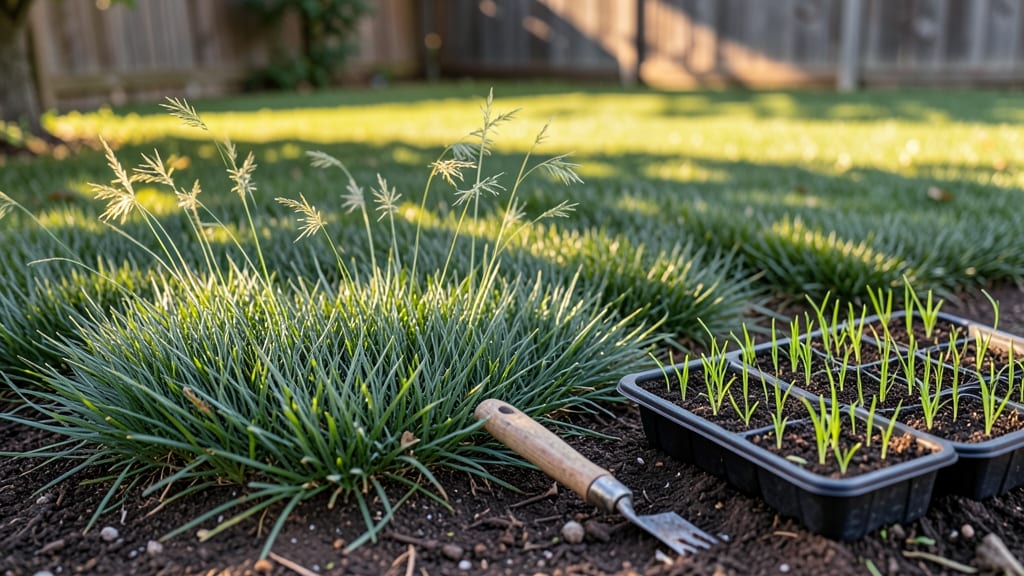
Planting grass in Colorado at the right time means the difference between a thick, green lawn and a patchy, struggling mess.
Colorado’s unpredictable weather can make or break your lawn—planting grass at the wrong time means thin patches, slow growth, or even total failure. Timing isn’t just about months; it’s about soil temperatures, elevation zones, and microclimates that turn your yard into a lush carpet or a patchy disappointment.
Cool-season grasses like Kentucky Bluegrass and Fescue thrive when soil temps hit 50–65°F, which in Colorado’s USDA Zones 4–7 (Front Range: 5–6, Western Slope: 4–5) usually lands in early spring (March–April) or early fall (August–September). But microclimates—like city heat islands or high-altitude wind—can shift that window by weeks.
Below, I break down the exact planting calendar by elevation, how to test soil temps like a pro, and when to adjust for your specific corner of Colorado—so you can finally stop guessing and start growing.
Colorado grass planting calendar: best months by elevation zone
Colorado’s diverse elevations create wildly different conditions for grass planting. Whether you’re in the Front Range or the High Plains, timing your grass seed or sod installation to match your elevation’s soil temperature and frost dates is critical.
Cool-season grasses like Kentucky Bluegrass and Tall Fescue thrive when soil temps hover between 50–65°F, but the exact window shifts dramatically depending on whether you’re at 5,000 feet or 9,000 feet.
Most Colorado gardeners focus on early spring (March–April) or early fall (August–September) planting, but these windows shrink or expand based on elevation. For example, Denver’s Front Range (5,000–7,000 ft) has a broader window than Steamboat Springs’ High Plains (above 9,000 ft), where frost lingers longer.
Let’s break down the best months for each zone, including soil temp thresholds and frost-free periods to help you plan like a pro.
| Elevation Zone | Soil Temp Threshold | Best Planting Months | Last Frost Date | First Frost Date | Grass Varieties |
|---|---|---|---|---|---|
| Front Range (5,000–7,000 ft) | 50–65°F | March–April, August–September | April 15 | October 15 | Kentucky Bluegrass, Fine Fescue |
| Mountain Foothills (7,000–9,000 ft) | 45–60°F | April–May, July–August | May 1 | September 30 | Tall Fescue, Chewing’s Fescue |
| High Plains (above 9,000 ft) | 40–55°F | May–June, July | June 1 | September 15 | Creeping Red Fescue, Alpine Bluegrass |
For the Front Range, where cities like Denver and Boulder sit, your best planting window is March through April or August through September. Soil temperatures in these months typically hit the 50–65°F sweet spot for cool-season grasses.
If you plant too early (February), you risk frost damage, while late April might mean summer heat stress before roots establish.
In the Mountain Foothills (think Evergreen or Golden), cooler temps delay planting until April or May for spring and July–August for fall. Here, Tall Fescue is a top choice because it tolerates cooler soils and shorter growing seasons.
Always wait until the soil warms to 45°F—cold soil can stunt seed germination for weeks.
At elevations above 9,000 feet, like Steamboat Springs or Leadville, your window shrinks to May–June or July. The High Plains experience earlier frosts and shorter growing seasons, so Creeping Red Fescue is ideal—it handles cold soils and thin air better than other varieties.
Planting in June might seem late, but it’s the only way to avoid late-spring frosts that can kill young seedlings.
Pro tip: Use a soil thermometer to confirm temps before planting. If your soil is still below 50°F in March, wait a week or two—rushing leads to thin, patchy lawns. In high-elevation zones, consider fall planting in July instead of spring; cooler nights help grass establish before winter.
One common mistake? Ignoring microclimates within zones. A south-facing slope in Fort Collins might warm up faster than a north-facing yard in Manitou Springs. If your area gets extra sun, you can plant 2–3 weeks earlier than the average.
Always scout your yard for frost pockets—low spots hold cold air longer and delay planting.
Finally, don’t overlook
Soil temperature secrets: how to test and time your planting
Colorado’s rapid temperature swings can leave your grass struggling if you plant at the wrong time. Unlike calendar months, soil temperature is the real indicator—most cool-season grasses like Kentucky Bluegrass need soil between 50–65°F to germinate properly.
A soil thermometer ($10–$15 at garden centers) is your secret weapon to avoid patchy lawns and wasted seed.
Rocky soil in Denver and the Front Range holds heat differently than loamy soil, so don’t rely on air temperature alone. For example, a sunny afternoon might read 70°F in the air, but your soil could still be 45°F—too cold for seeds to sprout.
Test at 4-inch depth (where roots start) in the morning for the most accurate reading.
If your soil stays stubbornly cold, try planting warm-season grasses like Bermuda in late spring (May–June), but they’re less common in Colorado’s USDA Zones 4–7. Pro tip: Check soil temps for 3 consecutive days above 60°F before committing to planting.
For Denver’s rocky terrain, pre-soak seeds in lukewarm water for 24 hours to kickstart germination. Combine this with a starter fertilizer (high in phosphorus) to help roots penetrate tough soil faster. Monitor soil temps weekly—Colorado’s afternoon thunderstorms can drop temps 20°F in hours!
Timing isn’t just about the calendar—it’s about soil science. Use these steps to turn your patchy lawn into a thick, green carpet that survives Colorado’s extremes. Start testing now, and you’ll be rolling in the right direction by planting season. 🌱