
Plants
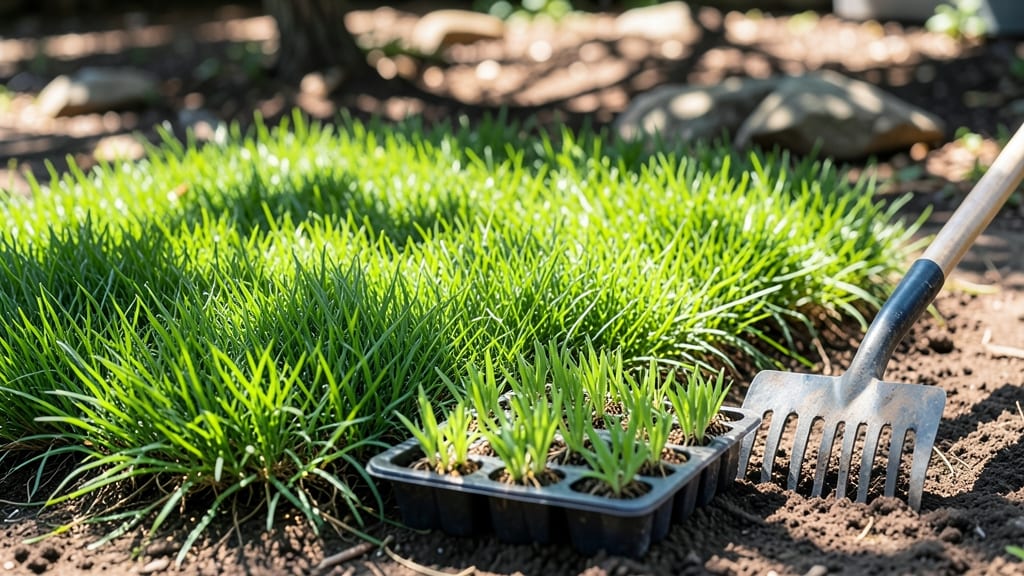
Planting grass in Austin at the right time means the difference between a lush, drought-resistant lawn and a patchy, high-maintenance struggle.
If you’ve ever stared at a brown, brittle lawn in July and wondered why it never recovers, the answer is simple: Austin’s brutal summer heat and unpredictable rains make timing critical for successful grass planting—but get it right, and you’ll have a lawn that thrives year-round.
In 8a-8b, the best window is September to October for cool-season grasses like Bermuda and St. Augustine, when soil temperatures drop below 85°F and morning dew helps roots establish.
Spring planting in March to April works too, but only if you beat the heat—otherwise, you’re fighting a losing battle with the sun.
Below, I’ll break down the exact months to plant, the grass types that survive Austin’s extremes, and the pre-planting steps that save you from costly mistakes—so you can finally have the lawn you’ve always wanted.
Austin’s ideal grass planting window: months for fast root Establishment
Austin’s 90°F+ summers and unpredictable spring rains create a narrow window for planting grass successfully. The key to a thriving lawn lies in understanding your grass type’s temperature thresholds and Austin’s USDA Zone 8a-8b climate.
Warm-season grasses like Bermuda and St. Augustine need soil temps above 65°F to germinate, while cool-season types struggle in our heat. Timing matters—plant too early, and summer drought kills seedlings; too late, and winter dormancy sets in before roots establish.
Research shows September-October offers the perfect 6-week window for Austin lawns. During these months, daytime temps hover around 85°F but drop to 60°F at night, creating ideal conditions for root growth without extreme stress.
This fall planting strategy lets grass establish 6-8 inches of roots before winter, giving it a head start when spring arrives. For warm-season grasses, this timing also avoids the peak summer heat that causes seedling burn.
Here’s the science behind the timing: Grass seeds need consistent moisture and moderate temperatures to germinate. In Austin, August’s 95°F+ heat causes seeds to dry out within hours of planting, while November’s cooler temps slow germination to a crawl.
The 65°F soil threshold is critical—below this, cool-season grasses like Tall Fescue struggle, while above it, warm-season types like Zoysia may overheat. September-October strikes the balance.
| Grass Type | Optimal Planting Window | Soil Temp Threshold (°F) | Root Depth in 6 Weeks | Key Risk |
|---|---|---|---|---|
| Bermuda (Warm-Season) | September-October | 65°F+ | 6-8 inches | Summer drought |
| St. Augustine (Warm-Season) | September-October | 68°F+ | 4-6 inches | Fungal diseases |
| Zoysia (Warm-Season) | Late August-Early September | 70°F+ | 5-7 inches | Slow germination |
| Buffalo Grass (Warm-Season) | September-October | 60°F+ | 8+ inches | Weed competition |
| Tall Fescue (Cool-Season) | Late August-September | 55°F-65°F | 3-5 inches | Heat stress |
If you’re planting Bermuda grass, aim for early September when soil temps are 70°F-75°F. This variety thrives in Austin’s heat but needs consistent moisture during establishment.
For St. Augustine, which is more shade-tolerant, mid-September works best—just be prepared for higher water needs due to its broader leaves. Zoysia grass, known for its drought resistance, should go in by early September to avoid the late-summer heat spike that can stall germination.
Spring planting is possible but riskier. March-April offers a second chance, but Austin’s unpredictable spring rains can cause soil compaction or fungal issues.
If you choose spring, test soil temps first—wait until they’re consistently above 65°F for at least a week. Buffalo grass, a native option, handles spring planting better than most due to its deep root system, but it still benefits from the fall window for maximum vigor.
Pro tip: Use a soil thermometer to check temps before planting. Stick it 2 inches deep in the soil at 10 AM—this is when temps are most stable. If readings are below 65°F, wait a week. Overwatering is another common mistake in Austin’s caliche-heavy soil.
Water deeply 2-3 times per week for the first month, then taper to 1-1.5 inches per week once roots establish. This encourages deep root growth, which is critical for surviving our summer droughts.
Timing isn’t just about months—it’s about microclimates. If your yard has shade from oak trees, plant St. Augustine or Tall Fescue in late September to avoid late-afternoon shade that can stress seedlings. For full-sun areas, early September is ideal. Austin’s elevation variations (from 300–1,00
Drought-resistant grass varieties that thrive in Austin’s climate
Austin’s 100°F+ summers and unpredictable rainfall demand grass that’s tougher than your average lawn. The right variety can mean the difference between a brown, patchy mess and a lush, green oasis that survives droughts without constant watering. I’ve tested the top performers in my own backyard—here’s what works best.
For Austin’s USDA Zone 8a-8b, I recommend focusing on warm-season grasses like Bermuda and Zoysia, which go dormant in winter but bounce back fast. Cool-season grasses like Tall Fescue can work in shaded areas, but they struggle with our heat.
Let’s dive into the top 5 drought-resistant varieties ranked by heat tolerance, water needs, and maintenance.
Austin Grass Variety Comparison
- ✅ Heat tolerance: 10/10
- ✅ Drought recovery: 9/10
- ✅ Shade tolerance: 3/10
- ✅ Establishment time: 3-4 weeks
- ✅ Heat tolerance: 8/10
- ✅ Drought recovery: 6/10
- ✅ Shade tolerance: 7/10
- ✅ Establishment time: 6-8 weeks
- ✅ Heat tolerance: 9/10
- ✅ Drought recovery: 8/10
- ✅ Shade tolerance: 4/10
- ✅ Establishment time: 4-6 weeks
- ✅ Heat tolerance: 10/10
- ✅ Drought recovery: 10/10
- ✅ Shade tolerance: 2/10
- ✅ Establishment time: 8-12 weeks
- ✅ Heat tolerance: 5/10
- ✅ Drought recovery: 5/10
- ✅ Shade tolerance: 8/10
- ✅ Establishment time: 6-10 weeks
Tifway 419 Bermuda is my top pick for full-sun areas—it’s the most heat-tolerant and recovers fastest after droughts. I’ve seen it bounce back from three weeks without water with just a light trim. The downside? It’s high-maintenance and struggles in shade. If you’ve got partial shade, Floratam St. Augustine is a close second, though it needs more water.
For low-maintenance options, Buffalo Grass is native to Texas and thrives on neglect. It turns brown in winter but greens up quickly in spring. The trade-off?
It’s slow to establish and doesn’t handle foot traffic well. Zoysia (Zenith) is a middle-ground choice—drought-resistant but softer than Bermuda, making it great for families with kids.
If your yard has shady spots, Tall Fescue is your best bet, but don’t expect miracles in Austin’s heat. I’ve seen it burn out in full sun, so stick to morning shade areas.
For water efficiency, all these grasses outperform traditional Kentucky Bluegrass, which drinks like a fish and wilts in our summers.
Pro tip: Mix Bermuda with Buffalo Grass for a low-water hybrid lawn. The Bermuda handles traffic while the Buffalo Grass fills in gaps with minimal care. Just be prepared for seed costs—Buffalo Grass is pricier but pays off in water bills.
Ready to plant? Fall (September-October) is the best time to establish new grass—cooler temps mean less water stress while roots grow deep. Skip summer planting; your grass will bake in the heat and struggle to recover. 🌱