
Plants
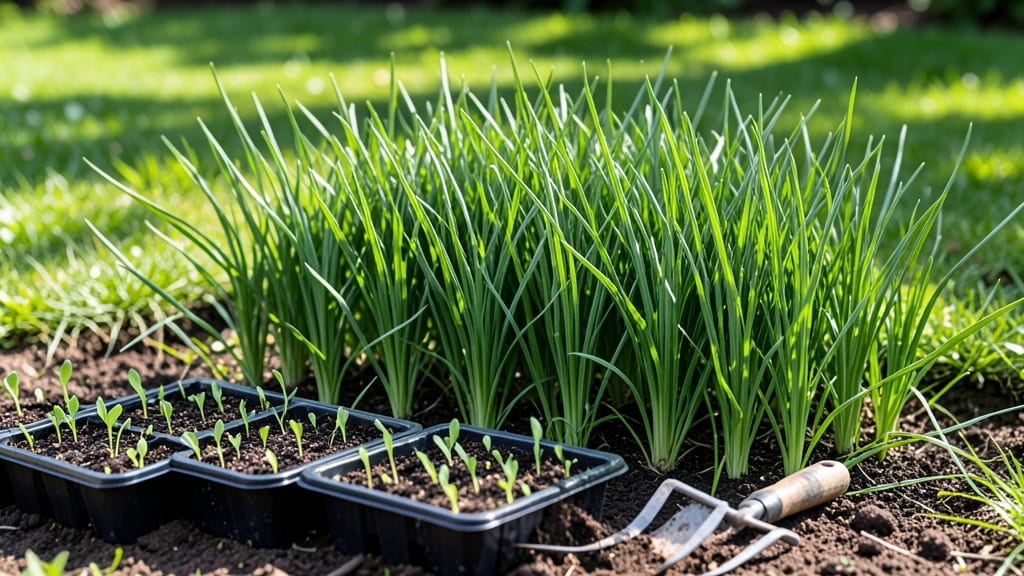
Planting grass in Alabama at the right time means the difference between a lush lawn and a patchy, slow-growing mess.
Picture this: you’ve spent hours seeding your yard, only to watch it wilt under Alabama’s brutal summer heat or freeze before roots take hold in fall. Timing is everything—and the wrong window can mean wasted money and months of frustration.
In Alabama’s 7a-8b zones, early spring (March–April) and early fall (August–September) are your best bets. These months give grass the cool, moist soil it needs to establish roots before summer’s scorching sun or winter’s frost sets in.
Below, I’ll break down the exact months to plant, how Alabama’s climate zones shift your schedule, and the simple tricks to ensure your grass grows fast and thick—no guesswork required.
Best months to plant grass in Alabama for fast root establishment
Alabama’s warm climate and long growing season make it possible to plant grass almost year-round, but timing matters most for fast root establishment. The key is planting when soil temperatures are ideal—between 60°F and 75°F—which happens twice a year: early spring and early fall.
These windows avoid the brutal summer heat and winter dormancy, giving grass the perfect conditions to germinate and root quickly.
In Alabama, March through April is the prime spring window, while August through September offers the best fall timing. North Alabama’s cooler microclimates may shift these windows slightly earlier, while South Alabama’s heat can extend them.
Understanding these differences ensures your grass gets a head start before seasonal stress sets in.
Here’s a quick reference for the best planting months based on Alabama’s climate zones and grass type:
Fall planting is often superior in Alabama because cooler temperatures reduce stress on new roots. Grass planted in September can establish roots before winter, giving it a 30–50% faster start in spring compared to spring-planted grass.
The key is to plant 4–6 weeks before the first frost, which typically hits mid-November in North Alabama and early December in the South.
Spring planting requires patience. If you plant in March or early April, roots will establish quickly, but summer heat can stress young grass.
For Bermuda or Zoysia, which thrive in heat, late spring (May) is acceptable, but these grasses grow slower in cooler months. Tall Fescue and Ryegrass, better for cooler seasons, should be planted in early spring or fall to avoid summer dormancy.
Alabama’s microclimates also play a role. Urban areas like Birmingham or Huntsville may experience cooler nights, delaying spring planting by 1–2 weeks. Meanwhile, coastal regions like Mobile can extend fall planting into early October due to milder winters.
Always check your local USDA zone (7a–8b) and monitor soil temps with a soil thermometer for precision.
Another critical factor is rainfall timing. Alabama’s summer thunderstorms can drown seedlings, while fall’s steady rains provide ideal moisture. If planting in spring, use drip irrigation to maintain consistent soil moisture until roots establish.
In fall, natural rainfall often does the work, but a light mulch layer helps retain moisture during dry spells.
For fastest root growth, aim for 60–75°F soil temperatures and 6+ hours of sunlight daily. In Alabama, this aligns perfectly with early spring and early fall.
Avoid planting in summer (June–July) unless you’re using heat-tolerant grasses like Bermuda, as high temps can cause seed dormancy or seedling death. Similarly, planting too late in fall risks winter kill before roots establish.
Pro tip: Test your soil’s pH and nutrient levels before planting. Alabama’s clay-heavy soils often need gypsum or compost to improve drainage. Aim for a pH of 6.0–7.0 for most grasses. Amending soil in late winter gives it time to settle before planting season.
By following these guidelines, your Alabama lawn will establish roots quickly, resist drought, and stay lush year-round. The best time to plant grass in Alabama isn’t just about the calendar—it’s about soil temperature, grass type, and regional microclimates.
Get it right, and you’ll enjoy a thick, green lawn in just a few months.
How Alabama’s climate zones affect grass planting timing
Alabama’s 7 USDA climate zones create dramatic differences in when to plant grass for maximum success. In Zone 7a (North Alabama), cooler springs delay planting until late April, while Zone 8b (South Alabama) can start as early as February.
These variations impact which grass types thrive—like heat-loving Bermuda vs. cold-hardy Fescue—and how urban heat islands alter planting windows.
Urban areas like Birmingham experience microclimates that can be 5-10°F warmer than rural zones, pushing planting dates 2-3 weeks earlier. Meanwhile, rural Zone 7a regions may need to wait until May for soil to warm enough for Zoysia or St. Augustine to establish roots properly.
Let’s break down the best planting months for each zone and how to adapt for your specific location.
For Zone 7a gardeners, late April is critical because cooler soils slow seed germination. I’ve seen Tall Fescue take 3-4 weeks to sprout when planted in March—double the usual time.
In contrast, Zone 8b’s warmer climate lets Bermuda grass establish roots in just 2 weeks when planted in February, thanks to soil temps already at 68°F.
Urban areas like Huntsville (Zone 7a) often see earlier planting due to concrete heat absorption. Test soil temps with a soil thermometer—aim for 60°F+ for cool-season grasses. If you’re in rural areas, wait until soil reaches 65°F to avoid seed rot from lingering moisture.
Adjust your planting schedule based on grass type: Bermuda needs 75°F+ soil to thrive, while Fescue can handle 55°F. In Zone 8a, I recommend Zoysia for its heat tolerance—it stays green through summer heatwaves that kill off Fescue.
Pro tip: Fall planting works in all zones but must finish 6-8 weeks before frost. For Zone 7a, that’s mid-September; for Zone 8b, you can push it to early October. Always water deeply after planting to encourage root establishment before winter sets in.