
How To
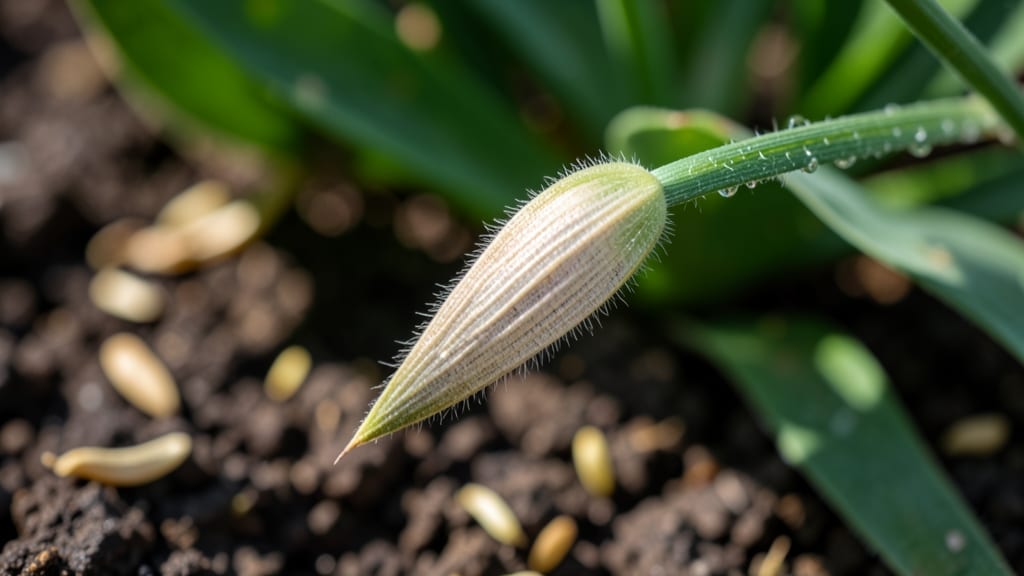
Planting centipede grass seed in Georgia during late spring to early summer ensures strong germination and a resilient lawn for the heat ahead.
If you’ve ever watched your new grass struggle to take hold in Georgia’s sweltering summers, you know timing is everything. The wrong window means battling weeds or dealing with weak, patchy coverage—both headaches you can avoid with the right schedule.
Centipede grass thrives when soil temperatures hit 60-70°F, which in Georgia typically means waiting until May or June. This period aligns with the grass’s natural growth cycle, giving it the best shot at establishing roots before dormancy kicks in.
Below, I’ll break down the exact months to plant, soil prep tips for Georgia’s varied climate zones, and a 30-day care checklist to keep your lawn lush and low-maintenance from day one.
Best planting months for centipede grass seed in Georgia (soil temp guide)
Centipede grass thrives in Georgia’s heat, but timing your planting is everything. The ideal soil temperature range for seed germination is 60-70°F, and waiting too long can lead to poor establishment.
In North Georgia, cooler springs delay planting until late May, while South Georgia and coastal areas can start as early as mid-April. Understanding these regional shifts ensures your lawn gets off to the right start.
Many gardeners mistakenly plant centipede grass in fall or early spring, but cool soil temperatures slow germination and invite weeds. The late spring to early summer window (May-June) aligns with Georgia’s natural warming trend, giving seeds the perfect environment to sprout quickly.
This timing also helps seedlings establish before summer’s intense heat sets in.
| Region | Best Planting Window | Soil Temp Requirement | Key Consideration |
|---|---|---|---|
| North Georgia (Atlanta) | Late May - Early June | 65-70°F | Cooler springs delay planting; test soil weekly after April 15 |
| Central Georgia (Macon) | Mid-May - Late June | 60-68°F | Transition zone; monitor soil temp daily with a probe |
| South Georgia (Savannah) | Mid-April - Early June | 60-70°F | Warmer climate allows earlier starts; watch for summer heat stress |
| Coastal Georgia (Tybee Island) | Early April - Mid-June | 58-65°F | Humidity speeds germination; use shade cloth for seedling protection |
For Atlanta gardeners, patience is key—soil temperatures often stay below 60°F until late May. Use a soil thermometer to confirm readiness; planting too early in cool soil leads to slow germination and weak seedlings.
In contrast, Savannah’s warmer climate lets you start as early as mid-April, but watch for sudden heat spikes that can stress young plants.
Coastal areas like Tybee Island benefit from Georgia’s earliest planting window, but humidity demands extra care. After sowing, use a lightweight shade cloth (30-40%) to protect seeds from intense sun while they germinate. This simple step can double your success rate in high-humidity zones where fungal diseases thrive.
One common mistake is assuming August planting works—it doesn’t. While August is a "good month" for some grasses, centipede seeds planted this late struggle with summer heat stress and often fail to establish before dormancy sets in. Stick to the May-June window for reliable results across all Georgia regions.
Pro tip: Pre-warm your soil in cooler areas by covering bare spots with black plastic for 2-3 weeks before planting. This raises soil temperatures by 5-10°F, creating ideal conditions for centipede grass seeds. Just remove the plastic and loosen the top 2 inches of soil before sowing.
After planting, maintain consistent moisture without waterlogging—centipede grass seeds need 1-1.5 inches of water weekly during establishment. Use a drip irrigation system or soaker hose to deliver water directly to the soil, keeping leaves dry to prevent fungal issues.
Remember, centipede grass is drought-tolerant once established, but seedlings need reliable moisture. The first 30 days after planting are critical; don’t let your new lawn dry out.
With the right timing and care, you’ll have a thick, green lawn that thrives in Georgia’s heat—without the high maintenance of other grass types.
Month-by-month planting calendar: what to do in April through July
April through July is your critical window for planting centipede grass seed in Georgia, but timing and prep work make all the difference. The soil must stay consistently above 65°F for seeds to germinate properly—plant too early, and you’ll waste seed on damp, cool soil.
Below, I break down each month’s tasks, from soil prep to post-planting care, so you avoid common pitfalls like uneven germination or weed competition.
Start by testing your soil’s pH—centipede grass thrives in acidic soil (5.0–6.0). If your soil is alkaline, amend it with sulfur or peat moss 4–6 weeks before planting. Skipping this step can lead to stunted growth or yellowing leaves, even with perfect timing.
For best results, aim to plant seeds when daytime temps hit 75°F+, which usually aligns with late May in North Georgia and early May in South Georgia.
- 1 April: Test soil pH and amend if needed. Apply pre-emergent herbicide to prevent weeds. Mow existing lawn to 1 inch to prepare the seedbed. 🌱
- 2 May: Rake soil to a fine texture (1/4 inch deep). Plant seeds when soil temps hit 65°F+. Water lightly twice daily to keep soil moist. 💧
- 3 June: Thin seedlings to 3–4 inches apart. Reduce watering to once daily as roots establish. Avoid fertilizing—wait until 30 days post-planting. ✂️
- 4 July: Mow new growth to 2–3 inches to encourage density. Monitor for chinch bugs or grubs. Apply light mulch to retain moisture in heat. ☀️
Your first 30 days post-planting are critical—centipede grass seedlings are fragile and need consistent moisture without waterlogging. Use a sprinkler with gentle mist to avoid dislodging seeds, and water in the early morning to prevent fungal diseases.
A common mistake? Overwatering in July’s heat, which can suffocate roots. Instead, aim for 1–1.5 inches of water per week, adjusting for rainfall.
By July, your seedlings should be 2–3 inches tall and ready for their first mow. This is also when you can apply a light fertilizer (10-10-10) to boost growth, but avoid heavy doses—centipede grass is low-maintenance and doesn’t need frequent feeding.
If you notice brown patches or slow growth, check for soil compaction or pests like chinch bugs, which thrive in hot, dry conditions.
Pro tip: Mark your calendar for August 1st—this is when centipede grass typically enters summer dormancy. Reduce watering to every 10–14 days and avoid mowing until fall.
Skipping this step can stress your lawn and invite weeds. With the right timing and care, your centipede grass will establish a thick, resilient lawn by next spring. 🌿