
Plants
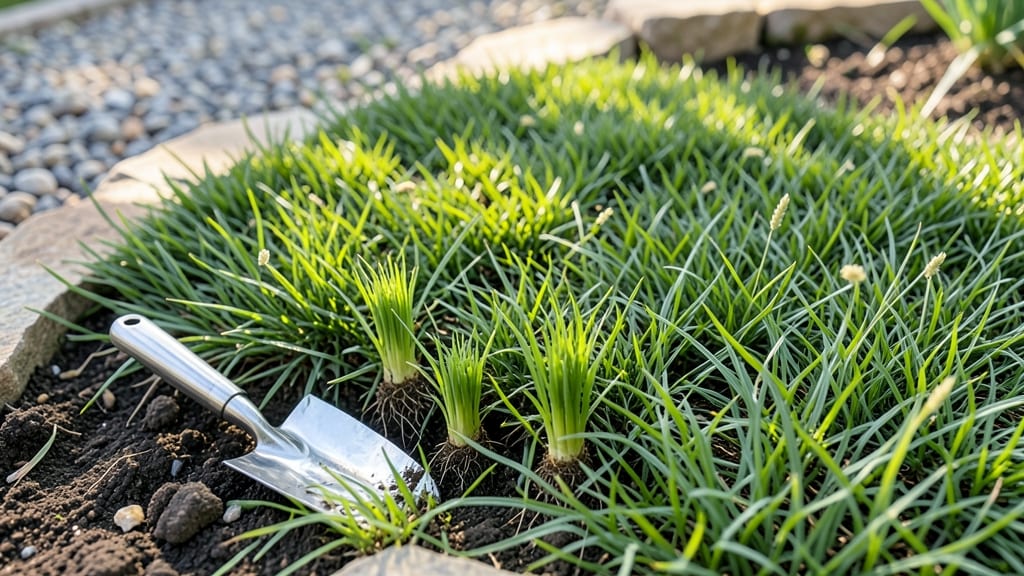
Planting Bermuda grass in Mississippi at the right time means the difference between a thick, green lawn and a patchy, slow-growing mess.
Mississippi’s hot summers and humid climate create the perfect conditions for lush, fast-growing Bermuda grass—but planting at the wrong time can lead to slow establishment or even failure.
Timing your planting based on soil temperature is the secret to a lawn that outcompetes weeds and thrives year-round. If you wait too long, the heat arrives before the grass takes root, leaving you with bare spots and wasted effort.
Below, I’ll break down the exact soil temperature triggers, regional planting windows, and preparation steps to ensure your Bermuda grass 🌱 gets off to a fast, strong start—no guesswork involved.
Optimal soil temperature ranges for planting Bermuda grass in Mississippi regions
Mississippi’s three distinct climate zones—Delta, Central, and Coastal—each demand slightly different soil temperature triggers for Bermuda grass success. Bermuda grass seeds need 60-65°F soil temperatures to germinate, while sod installation thrives at 70-75°F.
Planting too early in cool soils can delay growth by weeks, while waiting too long risks summer heat stress during establishment.
In the Coastal region, warmer microclimates near the Gulf often allow earlier planting—sometimes as early as late February—but soil temperatures must still reach 60°F consistently for seed germination.
The Central zone typically aligns with March-April planting windows, while the Delta region may experience delayed planting until April-May due to slower soil warming.
Soil thermometers are your best tool for precision—check temperatures at 6 inches deep, where roots will establish. Morning readings between 10 AM and noon provide the most accurate data. If your soil hasn’t warmed enough, black plastic mulch can raise temperatures by 5-10°F in just days.
Premature planting in cool soils below 55°F risks seed rot and poor germination. In the Delta region, where springs can be damp and cool, waiting for consistent 60°F+ readings for 3+ days ensures better success. Meanwhile, Coastal areas may see ideal conditions arrive 2-3 weeks earlier than inland zones.
For sod installation, the 70-75°F threshold is critical—this range promotes rapid root establishment. Planting sod when soil is too cool (below 65°F) can lead to yellowing and poor rooting, while waiting until above 80°F may cause heat shock.
The Central Mississippi zone often hits this window in late April to early May.
Mississippi’s USDA Hardiness Zones 7b-8a influence these timing adjustments. Zone 7b (northern Delta) may need to wait until mid-May for sod, while Zone 8a (Coastal) can plant as early as March. Always verify your specific zone using the USDA Plant Hardiness Map for localized precision.
Heat zones also play a role—areas with high summer heat indices (like Jackson or Gulfport) may require shade cloth during establishment to prevent stress. Conversely, northern Mississippi counties might benefit from extended mulching to maintain soil warmth longer into fall for overseeding.
If you’re planting Bermuda grass seeds, aim for 3 consecutive days above 60°F to ensure consistent germination. For sod installation, wait until soil reaches 70°F+ for 5+ days—this window typically arrives in late April to early June across most of Mississippi.
In Coastal areas, you might see sod-ready conditions as early as March, while Delta regions may need to wait until June.
Monitor local NOAA climate forecasts for 5-day soil temperature outlooks—these can help you time planting with upcoming warm spells. In 2023, for example, Jackson experienced a 10°F soil temperature spike in late April, creating a narrow 3-day window for ideal seed planting.
Missing this window meant delayed establishment until June.
For overseeding in fall, target soil temps between 65-70°F (
Mississippi-specific planting calendar: month-by-month timeline with microclimate adjustments
Mississippi’s diverse climate—from the Gulf Coast’s mild winters to the Delta’s delayed springs—means your Bermuda grass planting timeline should shift based on your location.
In warmer southern regions like Hattiesburg, you can start as early as late February, while northern areas like Tupelo may need to wait until mid-April to avoid frost damage. Understanding these microclimates ensures your grass establishes quickly and outpaces weeds.
For seed planting, aim for when soil temperatures consistently reach 60-65°F. This typically falls between March and May, but Gulf Coast gardeners can begin earlier. Sod installation, however, thrives when soil is warmer (70-75°F), making April to June the ideal window.
Adjusting for these temperature triggers prevents slow germination or transplant shock.
- 1
- 2
- 3
- 4
Seeds: Late February-March (soil temps 60-65°F)
Sod: Early March-April (soil temps 70-75°F)
Seeds: March-April (avoid frost risk after March 15)
Sod: April-May (wait for consistent warmth)
Seeds: April-May (soil temps lag 1-2 weeks behind Central MS)
Sod: May-June (prioritize late spring for sod)
- Gulf Coast: Minimal frost after March 1
- Central MS: Last frost typically March 15-April 1
- Northern Delta: Frost possible until April 15
In March, Gulf Coast gardeners should prepare seed beds while monitoring soil warmth.
Central Mississippi can start seeding in late March, but hold off on sod until April to avoid stressing young roots. April is the sweet spot for most regions—seeds germinate faster in warmed soil, and sod takes root before summer’s peak heat.
If you’re in the Delta, delay until May to ensure soil is fully warmed.
By June, focus shifts to establishment care rather than planting. Bermuda grass thrives in summer heat, but early planting ensures it’s fully rooted before July’s intense humidity.
Water deeply 2-3 times weekly to encourage deep root growth, and avoid heavy foot traffic until the grass is 3-4 inches tall. This timing also helps Bermuda grass outcompete crabgrass, a common weed in Mississippi lawns.
For overseeding in fall (a practice less common for Bermuda but useful for repair), aim for late August-September in southern regions or September-October in the Delta. This gives seeds time to germinate before cooler temperatures slow growth. Always test soil moisture—overwatering in humid summers can suffocate young seedlings.
Mississippi’s microclimates reward precise timing. Whether you’re in coastal areas with early springs or northern zones with delayed warmth, aligning your planting with soil temperature and frost risk ensures a thick, weed-resistant lawn by summer.
Start early, monitor conditions, and your Bermuda grass will reward you with vibrant green all season long. 🌱