
Fertilization
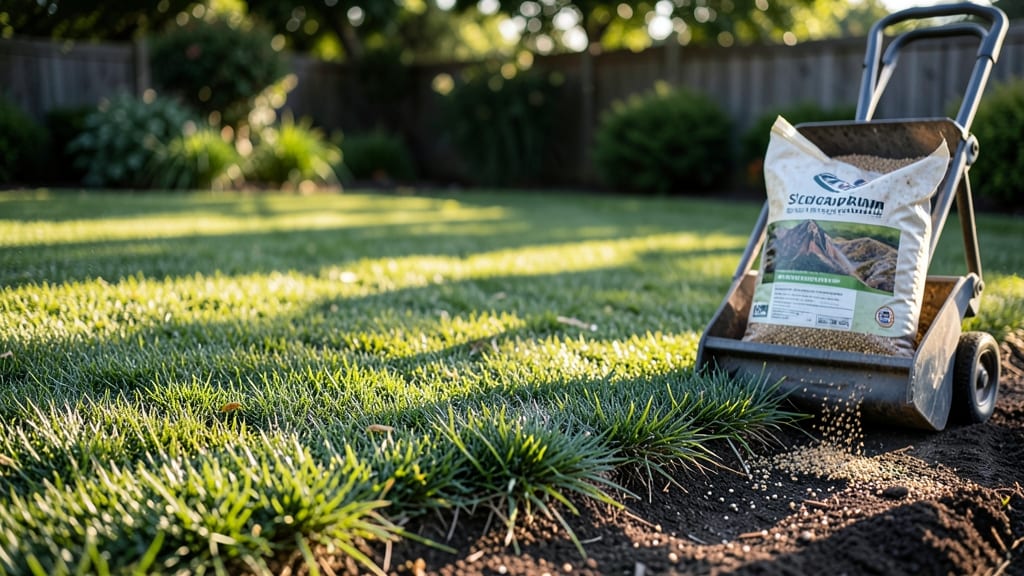
Fertilizing St. Augustine grass in Southern California at the right time means the difference between a lush, green lawn and one that struggles to stay alive.
If you’ve ever watched your grass turn yellow after a feeding or brown under the summer sun, you know timing is everything. Southern California’s unique climate—with its coastal breezes, inland heat, and occasional Santa Ana winds—demands a fertilization schedule that works with nature, not against it.
Most gardeners feed their lawn twice a year: once in early spring to kickstart growth and again in late summer to prepare for winter. But in SoCal, the best months shift slightly depending on whether you’re near the coast or inland, where temperatures can swing wildly.
A little extra care now means fewer headaches later.
Here’s exactly when to fertilize, which products work best in drought-prone areas, and how to avoid common mistakes that leave your lawn looking more like a desert than a lawn.
Best fertilization schedule for St. augustine grass in Southern California’s climate zones
Southern California’s diverse microclimates—from coastal humidity to inland heat—demand a tailored approach to fertilizing St. Augustine grass. Coastal areas like Malibu stay milder year-round, while inland zones like Palm Springs face extreme summer temperatures.
Understanding these differences ensures your lawn gets nutrients when it needs them most, not when it’s stressed.
St. Augustine grass thrives with 3-4 feedings per year, but timing is everything. Spring and fall are prime windows, while summer dormancy means skipping fertilization to avoid burning roots.
Coastal regions can stretch feeding into early winter, while inland areas should pause by October to prevent winter stress. Let’s break it down by month and microclimate.
Key temperature triggers guide your schedule: fertilize when soil temps hit 60°F+ (spring) or 75°F-85°F (fall). Use a soil thermometer to check—this prevents over-fertilizing during heatwaves. For coastal zones, aim for March-May and September-November; inland areas should focus on February-April and August-September.
For coastal SoCal, the September feeding is critical—this is when your grass recovers from summer stress and prepares for winter. Use a high-potassium fertilizer (like 10-0-20) to boost root resilience against coastal winds. Inland areas should wrap up fertilization by September to avoid winter fungal risks
How to choose the right fertilizer type and application method for St. augustine
Choosing the right fertilizer type for your St. Augustine grass in Southern California depends on your lawn’s current health and your long-term goals. Slow-release nitrogen is ideal for steady growth, while quick-release options provide immediate green-up—though they require more frequent applications.
For drought-prone areas like inland SoCal, a balanced NPK ratio (e.g., 20-5-10) ensures resilience without overfeeding.
Organic fertilizers like composted manure or fish emulsion improve soil structure over time, but synthetic granules deliver faster results. My personal preference? A slow-release granular blend applied in early spring and fall—it aligns with St. Augustine’s natural growth cycles and reduces runoff risks during SoCal’s occasional heavy rains.
Fertilizer Type Comparison for St. Augustine Grass
✅ Lasts 6-8 weeks; minimizes leaching
✅ Ideal for spring/fall feedings
❌ More expensive upfront
✅ Fast green-up (2-3 days)
✅ Budget-friendly for large lawns
❌ Requires frequent reapplication
❌ Risk of burning in heat
✅ Improves soil long-term
✅ Safe for kids/pets after curing
❌ Slower results (4-6 weeks)
❌ May attract pests if fresh
✅ Quick absorption (great for drought stress)
✅ Easy to apply with hose
❌ Requires frequent applications
❌ Higher runoff risk in sloped yards
For application, set your spreader to "high" for granular fertilizers (about 1 lb per 100 sq ft) and calibrate by walking at a steady pace. Always water-in immediately after spreading—this activates the fertilizer and washes it into the soil.
In SoCal’s dry climate, I recommend early morning watering to prevent evaporation loss and fungal issues.
Pro tip: Test your soil’s pH level (6.0-7.0 ideal) before fertilizing. St. Augustine struggles in acidic soil, so a lime application every 2-3 years may be needed in coastal areas with sandy soils.
Pair your fertilizer with a light top-dressing of compost to boost organic matter—my lawn’s resilience improved noticeably after this tweak.
When applying, avoid midday heat (10 AM–4 PM), as the granules can burn tender blades. Instead, fertilize in early morning or late afternoon when temperatures are cooler. For coastal SoCal, where humidity is higher, you might also consider a fungicide-fertilizer combo in late summer to prevent brown patch disease.
Remember: Less is more with St. Augustine. Over-fertilizing leads to thatchy buildup and weakens roots—exactly what you don’t want in Southern California’s unpredictable weather. Stick to the 6-8 week schedule in spring/fall, and your lawn will reward you with lush, drought-tolerant growth all season long. 🌱