
How To
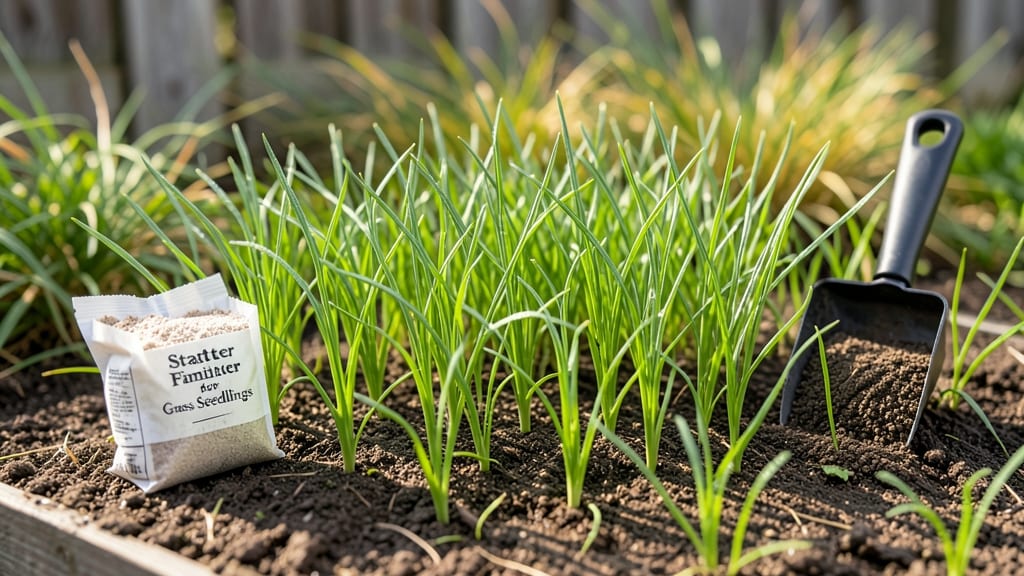
Fertilizing grass seedlings at 3–4 weeks after germination gives them the nutrient boost they need to develop strong roots before your first mowing.
Picture this: you’ve just sown your lawn, and the tiny 🌱 sprouts are popping up everywhere. But if you fertilize too early, you’ll burn those delicate seedlings. Too late, and they’ll struggle to compete with weeds.
The timing is everything—and getting it right means the difference between a thick, vibrant lawn and a patchy disappointment.
Most gardeners wait until seedlings are 2–3 inches tall and have developed 3–4 leaves, but soil temperature and grass type also play a role. Cool-season grasses like Kentucky bluegrass need feeding in early spring, while warm-season types like Bermuda grass should wait until late spring or early summer.
In this guide, I’ll walk you through the exact when, why, and how to fertilize your grass seedlings—plus the best organic and synthetic options to avoid overdoing it. Let’s get those roots growing!
Critical fertilizer timing for grass seedlings: best weeks after planting
Timing your grass seedling fertilizer is more critical than most gardeners realize. Applying nutrients too early can burn delicate roots, while waiting too long stunts growth before your grass even establishes.
The sweet spot for most grass types falls between 3 to 4 weeks after germination, when seedlings have developed 3-4 true leaves and a small root system.
This window aligns with when seedlings transition from relying on their seed's stored energy to actively photosynthesizing. At this stage, they need phosphorus-rich nutrients to build roots and nitrogen for leaf growth—but only if the soil temperature remains above 55°F for cool-season grasses or 65°F for warm-season varieties.
Cooler soils slow nutrient uptake, making early fertilization ineffective.
| Grass Type | Ideal Fertilization Window | Soil Temp Threshold | Key Growth Sign |
|---|---|---|---|
| Cool-Season (Fescue, Ryegrass) | 3-4 weeks post-germination | 55°F+ | 3-4 true leaves, 2-3" tall |
| Warm-Season (Bermuda, Zoysia) | 4-5 weeks post-germination | 65°F+ | 4-5 true leaves, 3-4" tall |
| All Types (Regional Adjustment) | Wait until active growth resumes after dormancy | N/A (seasonal) | New growth at base of clumps |
Regional adjustments are key here. In northern climates, fertilize cool-season grasses like Kentucky Bluegrass in early spring (March-April) when soil warms above 55°F.
For warm-season grasses in the South, wait until late spring (May-June) when soil hits 65°F—applying fertilizer too early can attract fungal diseases in humid conditions.
Overlooking soil temperature is a common mistake. Even if your seedlings look ready, cold soil (below 50°F) can lock out nutrients, causing fertilizer to wash away before roots absorb it.
Test your soil's temperature with a soil thermometer (insert 2-3 inches deep) before applying any fertilizer. If it's too cool, wait 1-2 weeks or use a slow-release fertilizer to avoid nutrient loss.
Fertilizing too early—before 3 weeks post-germination—can burn tender roots and attract pests like ants and aphids, which are drawn to the high-sugar environment created by premature nutrient uptake.
I once fertilized my Tall Fescue seedlings at 2 weeks and ended up with a patchy lawn due to root damage. The lesson? Patience pays off—wait until seedlings show visible root growth (gently pull one to check).
Another critical factor is fertilizer type. For seedlings, choose a low-nitrogen, high-phosphorus blend (e.g., 10-20-10 ratio) to encourage root development. Avoid high-nitrogen lawn fertilizers (like 30-0-4) until your grass reaches mowing height (typically 3-4 inches tall).
The right NPK ratio at the right time prevents top-heavy growth that falls over before roots stabilize.
If you're in a drought-prone area, delay fertilization until after a soaking rain or thorough watering. Dry soil can concentrate fertilizer salts, creating fertilizer burn even if you're using the right timing.
Always water deeply (1/2 inch) before and after applying fertilizer to help nutrients reach the root zone where seedlings need them most.
For organic gardeners, compost tea or fish emulsion (diluted to 1-2 tbsp per gallon) makes an excellent seedling fertilizer at the 3-4 week mark. These options provide gentle, balanced nutrition without the risk of chemical burn.
Synthetic fertilizers like starter granules (e.g., Scotts Turf Builder Starter) work too, but follow the half-rate application to avoid overfeeding delicate seedlings.
Watch for visual cues that your seedlings are ready: deep green leaves, rapid growth (1/2 inch per week), and resilience to light tugging. If your grass looks yellow or stunted after fertilization, you've likely applied too much nitrogen or fertilized too early.
In this case, flush the soil with water to dilute excess salts and hold off on further feeding for 4-6 weeks.
Remember, the goal at this stage is root development, not leafy growth. A strong root system means your grass will outcompete weeds, handle drought stress, and recover faster from foot traffic.
By fertilizing at the 3-4 week mark with the right product and soil conditions, you're setting your lawn up for years of healthy growth. 🌱
Signs your grass seedlings are ready for fertilizer (and what to avoid)
Your grass seedlings are tiny powerhouses that need precise timing for fertilizer to thrive. Wait too long, and they’ll grow weak and patchy. Apply too early, and you risk burning delicate roots.
The key is watching for visual and tactile cues that signal readiness—like 3-4 true leaves and 2-3 inches in height—before introducing nutrients.
Seedlings also need consistent moisture and stable soil temperatures (at least 55°F) before fertilizer. Skipping these prep steps can stress your lawn, making it vulnerable to disease or pests. Think of it like prepping for a marathon: you wouldn’t sprint before warming up, right?
⚠️ callout-warning
Never fertilize if seedlings are under 2 inches tall or have fewer than 3 leaves. This stunts root growth and attracts pests. Wait until they’re 3-4 weeks old and show deep green color. Also, avoid fertilizing during drought or extreme heat—soil stress magnifies fertilizer burn.
Checklist Before Fertilizing:
- ☑️ Seedlings are 2-3 inches tall
- ☑️ 3-4 true leaves (not just seed leaves)
- ☑️ Soil is moist but not soggy
- ☑️ No drought or heatwave forecasted
Start by inspecting your seedlings closely. Healthy grass seedlings have deep green blades and thick stems that don’t wilt when touched. If they feel spongy or yellow, they’re not ready—this could signal overwatering or nutrient deficiency.
A quick soil test (pH 6.0-7.0) ensures your lawn can absorb nutrients efficiently.
Choose a low-nitrogen starter fertilizer (like 10-20-10) to encourage roots, not just top growth. Spread it evenly with a broadcast spreader on a calm, dry morning. Water lightly afterward to activate the nutrients without washing them away. Think of it like a gentle rain—not a flood.
Avoid high-nitrogen fertilizers (like 30-0-4) at this stage—they promote leafy growth at the expense of roots. Over-fertilizing can also cause fertilizer burn, leaving brown patches that take months to recover. If you see crispy edges or wilting, flush the soil with water immediately.
After fertilizing, monitor your seedlings for 2-3 weeks. Look for faster growth and darker green color—signs they’re thriving. If growth slows or yellowing appears, reduce future applications. Remember, less is more with young grass. Patience now means a thicker, greener lawn later.