
Fertilization
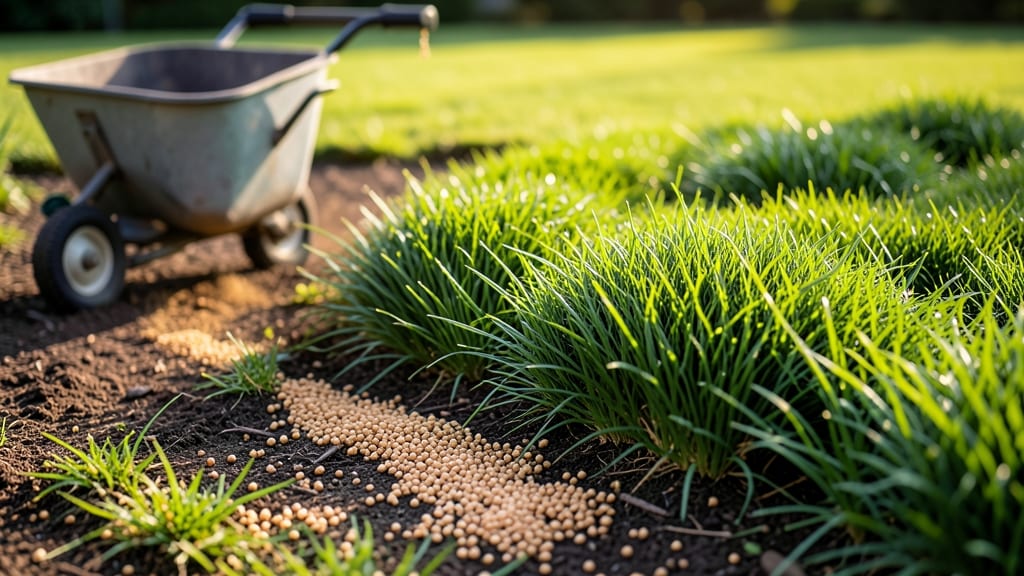
Fertilizing grass in spring is all about timing it right to fuel root growth before summer’s heat hits—your lawn’s green revival depends on it.
Picture this: you’ve just mowed your lawn after a long winter, and the first green shoots are poking through. That’s your 6-week window to fertilize—too early, and you risk burning tender roots; too late, and you miss the growth spurt.
I’ve seen lawns go from patchy to lush in just 8 weeks when the timing is perfect, and it starts with knowing your climate zone.
Most homeowners in USDA Zone 6 should fertilize in early April, when soil temperatures hit 55°F and grass breaks dormancy. But cooler zones like Zone 3 wait until May, while warmer Southern lawns can start as early as February.
The key is matching your schedule to when the grass wakes up, not the calendar.
In this guide, I’ll walk you through the exact months for your zone, how to test your soil first, and the 3 signs your lawn is ready—so you never over- or under-feed again.

Best spring fertilization timeline by USDA climate zones
Getting your lawn fertilization timing right in spring is like catching a wave—too early and you waste nutrients, too late and your grass struggles to recover. USDA climate zones shift these windows dramatically, from Zone 3's late March start to Zone 10's February kickoff.
The key is understanding your zone's soil warming patterns and grass type's growth triggers.
For cool-season grasses like Kentucky bluegrass or fescue, early spring fertilization (when soil hits 50°F) jumpstarts root growth before summer heat.
Warm-season grasses like Bermuda or Zoysia need to wait until soil reaches 65°F—usually late April to May in most zones. Miss this window, and you'll either burn tender roots or fail to support summer vigor.
Here's how to align your fertilization schedule with your climate zone for maximum impact:
| USDA Zone | Early Spring Window | Late Spring Window | Soil Temp Trigger | Grass Type Focus |
|---|---|---|---|---|
| 3-4 | Mid-April to early May | Late May to June | 50-55°F | Cool-season (Fescue, Ryegrass) |
| 5-6 | Early April to mid-April | Mid-May to June | 55-60°F | Cool-season (Kentucky Bluegrass) |
| 7-8 | Late March to April | May to early June | 60-65°F | Transition (Bermuda, Zoysia) |
| 9-10 | February to March | April to May | 65-70°F | Warm-season (St. Augustine) |
Note: Adjust 2-3 weeks earlier for southern exposures or microclimates.
In Zones 3-4, where winters linger, I recommend a two-step approach: apply a light nitrogen boost in mid-April when snow melts, then follow up with a full fertilizer in early May.
This prevents nutrient runoff from spring rains while giving cool-season grasses the 6-8 week growth window they need before summer dormancy.
For Zones 5-7, where spring arrives earlier, split your fertilization into three applications: early April (pre-emergence), late April (active growth), and June (summer support). Use a slow-release fertilizer in April to prevent leaching, then switch to a quick-release in June for instant green-up before summer heat stress.
Southern zones (8-10) have the earliest windows—February to March—but require warm-season grass awareness. Fertilize in February with a low-nitrogen blend (10-0-10) to wake dormant roots, then apply a high-nitrogen (30-0-4) in April when soil warms to 65°F.
Avoid fertilizing after June 1st in Zone 10 to prevent summer burn.
Pro tip: Always test soil pH first. Most lawns need 6.0-7.0 pH for optimal nutrient uptake. If your soil is acidic (below 6.0), apply lime 4-6 weeks before fertilizing to avoid nutrient lockout. For alkaline soils (above 7.0), use sulfur instead.
Timing isn't just about months—it's about grass activity. Look for these signs: new growth at blade tips, vibrant green color, and weed emergence. These indicate your lawn is ready for fertilization.
In Zone 6, I wait until dandelions bloom (around mid-April) as my natural cue—it means soil is warm enough for safe application.
One common mistake is fertilizing too early when soil is still cold. This causes nutrient burn and root stress. Always check soil temperature with a soil thermometer—if it's below 50°F, wait.
Another pitfall is over-applying in late spring. By June, focus on maintenance feeds rather than heavy applications.
Remember: Fertilizer is food, not magic. Even the best timing won't fix poor soil health or compacted
5 Key signs your lawn needs fertilizer in spring
Spring is the perfect time to give your lawn the nutrients it craves after a long winter. But how do you know if your grass is actually hungry for fertilizer? Look for these 5 clear signs that your lawn is ready for a spring feeding.
Ignoring these indicators can leave your grass struggling to bounce back from dormancy, while addressing them early sets the stage for a vibrant, weed-resistant lawn all season long.
First, pay attention to the color and texture of your grass. Healthy lawns should be a rich, deep green color with blades that feel firm and springy.
If your lawn looks more pale yellow or dull—almost like it's suffering from a nutrient deficiency—it's a strong signal that your grass is starving for nitrogen. This is the first sign many gardeners miss, especially in cooler spring mornings when growth seems sluggish.
Here’s what to watch for—these 5 key indicators will help you decide if it’s time to fertilize:
-
1. Pale or Yellowing Grass
Grass turning lighter green or yellowish signals low nitrogen levels. Test a small patch—if it feels soft or spongy, fertilization is urgent.
-
2. Slow or Patchy Growth
If new grass blades grow less than 1 inch per week or appear in uneven patches, your lawn needs nutrients to kickstart active growth.
-
3. Increased Weed Presence
Weeds thrive in weak, nutrient-poor soil. If dandelions or clover pop up, your grass lacks the strength to outcompete them.
-
4. Soil Test Results
A soil pH below 6.0 or low organic matter (<1%) confirms your lawn needs fertilizer + compost to rebuild health.
-
5. Early Spring Timing
Apply fertilizer when soil temps reach 55°F+ (typically March-April in most zones). This ensures roots absorb nutrients before summer heat.
Don’t wait until your lawn shows severe stress signs like brown patches or bare spots—these are late-stage warnings. Instead, act at the first sign of pale grass or slow growth.
A high-nitrogen fertilizer (like 30-0-4) applied in early spring can revive your lawn in just 2-3 weeks, provided you water it in deeply afterward.
Pro tip: Pair fertilization with aeration if your lawn feels compacted. This opens soil pores so nutrients reach the roots faster. Think of it like giving your grass a deep drink after a long drought—it wakes up hungry and ready to grow!
🌱