
Lawn
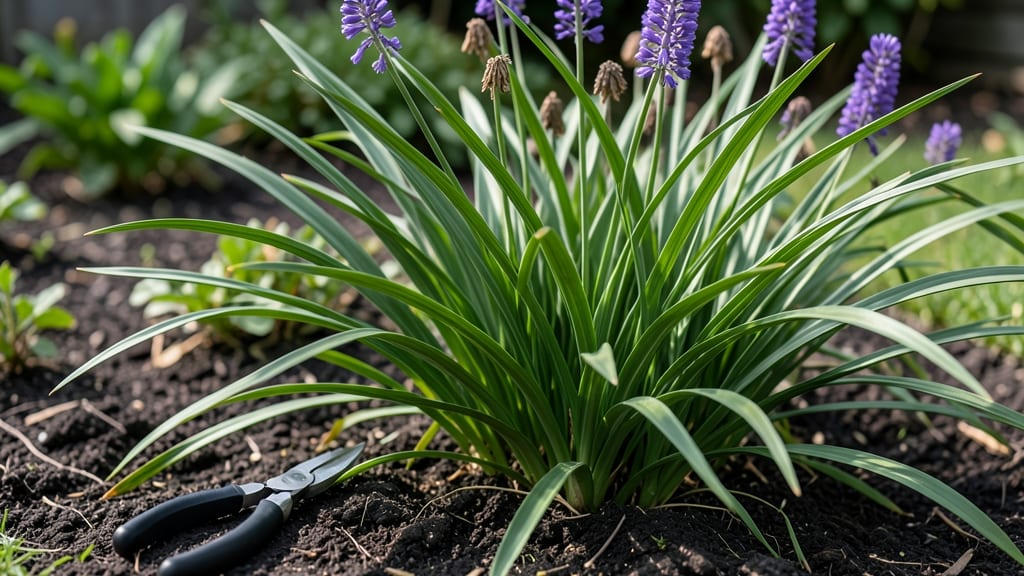
Cutting down monkey grass at the right time ensures it thrives year after year without losing its lush, ornamental appeal 🌿.
Struggling to decide when to trim your monkey grass (Liriope muscari) without stunting its growth or inviting pests? Timing is everything for this hardy perennial—cut too early, and you risk exposing roots; too late, and you may smother its natural beauty.
For most gardeners in USDA Zone 6, the best window is late winter or early spring, just as new growth begins. This timing lets you remove dead foliage while leaving the roots protected for regrowth.
Warmer climates may extend this to late fall, but the key is avoiding cold snaps or summer heat.
Below, I’ll walk you through the exact seasonal cues, tools to use, and step-by-step techniques to keep your monkey grass looking healthier than ever—no guesswork required.
Optimal seasonal timeline for cutting monkey grass (spring vs fall)
Deciding when to cut down your monkey grass (Liriope muscari) can feel like walking a tightrope—too early, and you risk damaging root systems still recovering from winter; too late, and you smother its spring regrowth.
The best time depends on your USDA hardiness zone and whether you prioritize aesthetic tidiness or plant health.
For most gardeners, late winter to early spring (just before new shoots appear) is ideal for a health-focused trim. This timing removes dead foliage while leaving dormant roots undisturbed. In warmer climates (zones 8-10), you can extend this window into early fall to prep for milder winters.
Here’s the key difference: Spring trimming promotes vigorous growth by clearing away last year’s debris, while fall trimming focuses on winter protection by reducing wind damage. Your choice depends on your local frost dates and whether you prefer a neat winter look or maximized spring rebirth.
🌱
| Factor | Spring Trimming (Feb-Apr) | Fall Trimming (Oct-Nov) |
|---|---|---|
| Best For | Healthy regrowth | Winter protection |
| Cutting Height | 1/3 of plant height | 1-2 inches above ground |
| Root Impact | Minimal (roots dormant) | Low (pre-winter prep) |
| Climate Adaptation | Zones 3-7: Post-last frost | Zones 8-10: Before first frost |
| Growth Effect | Faster spring recovery | Reduced wind damage |
| Post-Trim Care | Fertilize in 4-6 weeks | Mulch for insulation |
In Northern U.S. zones (3-7), where winters are harsh, I recommend spring trimming as your primary approach. Cut back 1/3 of the plant height in late February to early April, just as new shoots begin pushing through the soil.
This timing ensures you’re not cutting into dormant crowns while still removing last year’s dead foliage that could harbor pests.
For Southern U.S. zones (8-10), where winters are mild, fall trimming becomes equally important. Aim to cut back 1-2 inches above ground in October or November, just before cooler temperatures arrive.
This reduces wind damage and allows the plant to enter winter with a cleaner profile, though it may delay spring regrowth slightly.
Regardless of season, avoid cutting into the crown (the base where leaves meet roots). This can stress the plant and invite rot or disease. Use sharp pruners or clean shears to make clean cuts just above the lowest healthy leaf.
If you’re unsure, err on the side of leaving more foliage—monkey grass is highly resilient and can bounce back from even moderate overgrowth.
One common mistake I see is trimming too aggressively in late summer (August-September). This stunts growth before winter and leaves the plant vulnerable to cold snaps.
If you must trim outside the spring/fall window, do so lightly (just removing brown or damaged leaves) and avoid cutting more than 10% of the plant’s height.
After trimming, focus on soil health and watering habits. In spring, apply a balanced fertilizer (10-10-10) to encourage new growth, while in fall, mulch around the base to insulate roots during winter. Both seasons benefit from deep watering (1-2 inches per week) to replenish moisture lost during trimming.
Pro tip: Mark your calendar for 6-8 weeks after trimming to check for new shoots.
Signs your monkey grass needs trimming (beyond seasonal timing)
Your monkey grass (Liriope muscari) might look lush, but subtle signs often signal it's time for a trim. Unlike seasonal pruning, these cues focus on health and aesthetics, ensuring your plants thrive year-round.
Ignoring them can lead to pest infestations, disease, or an unkempt landscape. Let’s explore the visual red flags that mean it’s time to grab those sharp pruners.
First, watch for brown or yellow tips on the blades. While some browning is normal in winter, persistent discoloration—especially in summer or spring—indicates overwatering, underwatering, or nutrient deficiencies. Check the soil moisture: if it’s soggy or bone-dry, your grass is signaling stress.
Another clue? Seed heads (those spiky, flower-like structures) that refuse to die back. These can self-seed aggressively, creating unwanted clumps or even spreading to areas you don’t want them.
Don’t overlook pest damage, either. Look for chewed blades, webbing, or tiny insects hiding in the base. Spider mites or aphids love monkey grass, and their presence weakens the plant.
If you spot holes or sticky residue, trim the affected areas immediately and treat with neem oil or insecticidal soap. Pro tip: Early morning is the best time to inspect—pests are most active then, and dew makes them easier to spot.
For aesthetic purposes, trim when your monkey grass exceeds 3 feet tall or looks too dense. A good rule of thumb: if you can’t see the base of the plant through the foliage, it’s time to thin.
Shearing to 2 feet keeps it tidy while encouraging fuller regrowth. Just avoid cutting into the crown (the hard, woody base)—this can kill the plant. Always leave 1/3 of the height intact to maintain its vigor.
Finally, pay attention to the texture of the blades. Healthy monkey grass has stiff, upright blades. If they’re floppy, mushy, or easily breakable, it’s a sign of root rot or fungal issues.
In this case, trim all affected areas and improve drainage by adding compost or sand to the soil. A little preventive care now saves you from replacing dead plants later.
By tuning into these visual and health cues, you’ll keep your monkey grass looking sharp and thriving. Regular trims—whether for health or aesthetics—ensure your landscape stays vibrant and pest-free. Happy pruning! 🌿✂️