
Plants
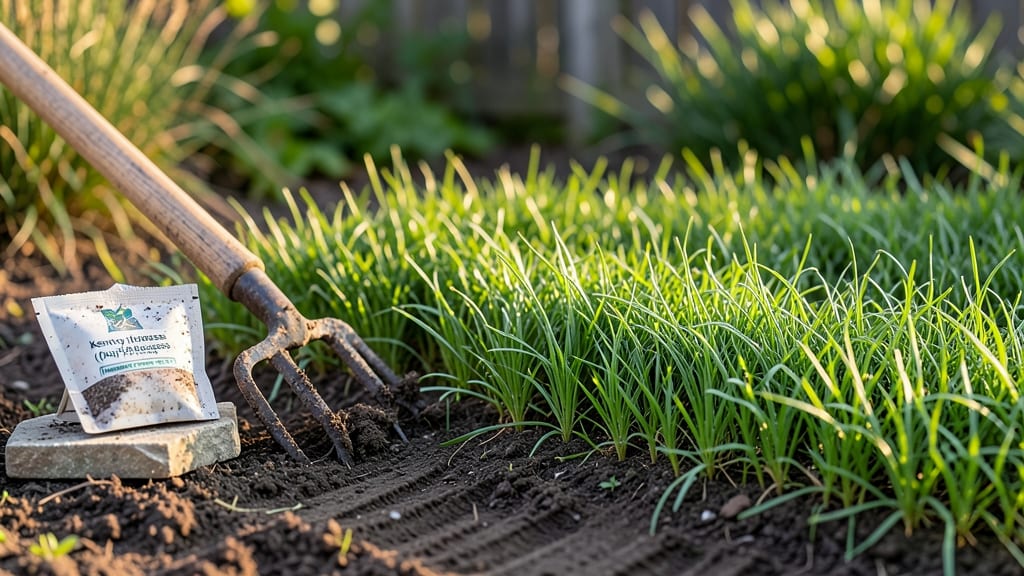
Planting grass seed in Ohio at the right time means the difference between a lush, green lawn and a patchy, slow-starting mess—especially when you’re staring at 50°F soil and counting down the frost-free days.
Ohio’s unpredictable spring weather can turn a perfect grass seed planting window into a frustrating gamble—unless you know the exact soil temperatures and timing that guarantee success. One week too early, and frost will kill your seedlings before they sprout; too late, and weeds will steal the show.
Most Ohio gardeners land on early spring (March–April) or fall (September–October), but the 6a zone has its own quirks—like northern Ohio’s later frost dates compared to southern Ohio’s warmer microclimates. Below, I’ll break down the best months, soil temps, and pro tips to time your planting like a local.
You’ll learn how to read your soil’s temperature, which grass types thrive in Ohio’s climate, and the one mistake that ruins germination faster than anything else. Ready to set your lawn up for success?
Ohio grass seed planting timeline: month-by-month soil temperature guide
Ohio’s cool-season climate and microclimates create a delicate balance for grass seed germination. Planting too early risks frost damage, while waiting too late invites weeds and summer heat stress. The key? Monitoring soil temperatures between 50–65°F—the sweet spot for most grass seed varieties to sprout reliably.
Northern Ohio’s USDA Zone 5b–6a typically sees last frost dates in mid-April, while southern Ohio’s Zone 6a–7a can push planting windows later. However, these dates are just starting points—soil temperature is the real decider. Use a soil thermometer to avoid guessing, especially in Ohio’s famously unpredictable spring weather.
Pro Tip: For cool-season grasses like Kentucky bluegrass or tall fescue, aim for 50–60°F soil temps. Warm-season grasses like Bermuda or zoysia need 65–75°F—so save those for late spring or summer. Let’s break down the month-by-month planting timeline with soil temp thresholds to maximize your lawn’s success.
April is Ohio’s golden window for cool-season grasses, but don’t rush—wait until soil temps hit 50°F consistently for 5+ days.
I’ve seen Kentucky bluegrass sprout in 48 hours at 55°F, but fescue takes 7–14 days if temps dip below 50°F. Southern Ohio can extend this window into early May, while northern areas should finish by mid-April to avoid frost.
For warm-season grasses, June is your best bet. These varieties thrive in 70°F+ soil, so don’t plant before late May—early sowings risk seed rot from lingering moisture.
I recommend Bermuda grass for southern Ohio’s heat, but it struggles north of I-70. Instead, opt for tall fescue blends that tolerate both cool and warm seasons.
September offers Ohio’s second-best planting window—a secret many gardeners miss. Cooler temps mean less weed competition, and established grass can handle winter better if planted by mid-September.
Aim for 55–65°F soil temps and choose drought-resistant varieties like fine fescue for northern lawns. Water lightly but frequently to prevent drying before roots establish.
October planting is high-risk, high-reward. Northern Ohio’s first frost typically hits by mid-October, leaving only 2–3 weeks for germination. If you must plant, use a winter rye cover crop to protect seeds until spring.
Southern Ohio has slightly more flexibility, but avoid planting after October 15th—seeds won’t have time to root before winter dormancy.
Ohio’s microclimates mean your neighbor’s perfect timing might fail for you. Urban areas like Columbus or Cincinnati warm up faster than rural Appalachian foothills
Best grass seed types for Ohio’s climate and when to plant them
Ohio’s diverse climate demands the right grass seed types and planting timing to thrive. Northern Ohio’s cooler summers favor cool-season grasses, while southern Ohio’s warmer stretches suit warm-season varieties. Choosing the wrong type can mean thin lawns or wasted seed—so let’s match your yard to Ohio’s microclimates.
Cool-season grasses like tall fescue and Kentucky bluegrass dominate Ohio lawns because they handle our 60–80°F summers and freezing winters. Warm-season grasses such as Bermuda and zoysia thrive in southern Ohio’s heat but struggle in northern regions.
Your location dictates which seeds to buy and when to plant them for maximum success.
Here’s how to compare the best Ohio grass seed types, their ideal planting windows, and regional adjustments for northern vs. southern Ohio:
For northern Ohio, tall fescue and Kentucky bluegrass are the gold standards. They germinate quickly in 50–65°F soil and handle Ohio’s cold winters. Plant them in late summer or early spring to avoid frost damage.
Southern Ohio gardeners can experiment with Bermuda grass for heat tolerance, but it goes dormant in winter.
Regional tweaks matter: In northeast Ohio, aim for September planting to establish roots before winter. In southwest Ohio, April–May works better for warm-season grasses. Always test your soil temperature with a thermometer—cool-season seeds won’t sprout below 50°F, while warm-season types need 70°F+.
Mixing grass seed types can create a resilient lawn, but avoid blending cool-season and warm-season varieties—they grow at different rates. Stick to one type per lawn for uniform results. Water deeply 2–3 times weekly after planting to encourage strong root growth.
🌱