
Fertilization
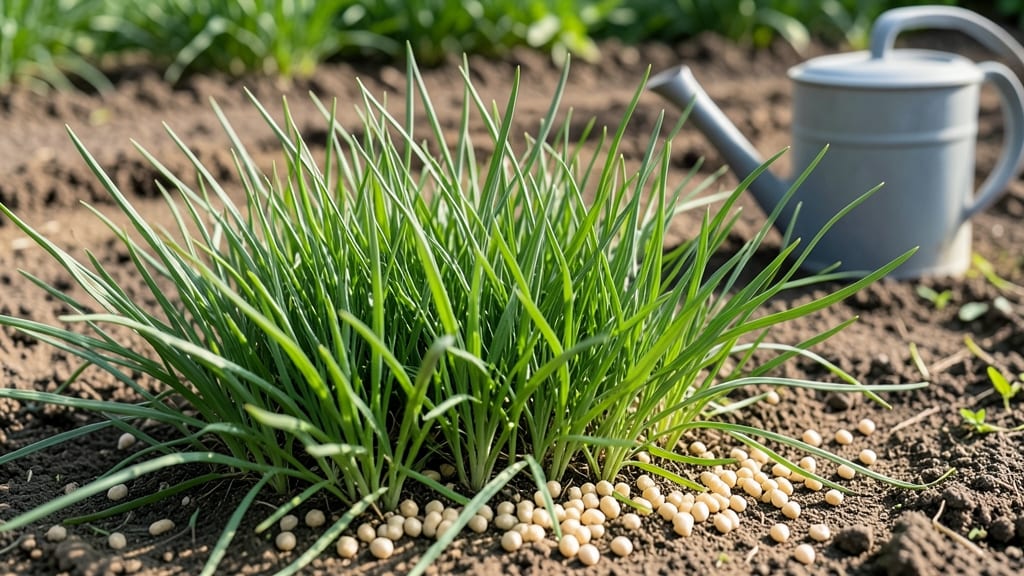
Fertilizing your grass at the right time is the secret to a thicker, greener lawn without wasting money or risking damage.
Struggling to keep your lawn vibrant year-round? Timing your grass fertilization correctly can make the difference between a patchy, weak yard and a lush, envy-worthy green space—without wasting money or overdoing it.
Most lawns need two to four feedings per year, but the best times depend on your grass type and climate. Cool-season grasses like fescue thrive with early spring and fall applications, while warm-season grasses like Bermuda prefer late spring and summer.
Below, I’ll break down the ideal fertilization schedule for your region, the signs your lawn is hungry (or overfed), and how to choose the right fertilizer for maximum impact.
Optimal fertilization timing by season for different grass types
Getting your grass fertilization schedule right is like hitting a moving target—it changes with the seasons and your grass type. Cool-season grasses like Kentucky Bluegrass and Fescue thrive in milder temperatures, while warm-season grasses such as Bermuda and Zoysia need heat to grow.
Even the best fertilizer won't work if you apply it at the wrong time, so let's break down the ideal windows for each type.
Most gardeners make the mistake of fertilizing in summer heat or winter dormancy, which wastes money and stresses the grass. Instead, focus on early spring and late summer for cool-season grasses, while warm-season types benefit most from late spring and early fall applications.
Regional differences also matter—northern climates have longer growing seasons than southern ones.
Key takeaway: Fertilize when grass is actively growing, not when it's stressed by extreme temperatures. This means adjusting your schedule based on your USDA hardiness zone and grass variety. For example, Bermuda grass in Florida needs feeding in May, while Tall Fescue in Minnesota should get its first dose in April.
| Season | Cool-Season Grasses (e.g., Kentucky Bluegrass, Fescue) | Warm-Season Grasses (e.g., Bermuda, Zoysia, St. Augustine) | Northern Climates | Southern Climates |
|---|---|---|---|---|
| Early Spring (March-April) | First feeding (high nitrogen) | Light feeding (if growth starts) | March-April (after frost) | March (avoid late spring heat) |
| Late Spring (May-June) | Second feeding (maintenance) | Primary feeding (peak growth) | May (if no frost risk) | May-June (avoid drought stress) |
| Summer (July-August) | Light feeding (if needed) | Second feeding (late summer) | Skip (dormancy risk) | August (pre-fall growth) |
| Fall (September-October) | Final feeding (fall color) | Light feeding (if growth continues) | September (before frost) | September (avoid late frost) |
| Winter (November-February) | None (dormant) | None (dormant) | None (snow cover) | None (unless mild winters) |
For cool-season grasses, the early spring feeding jumpstarts growth after winter dormancy. Use a high-nitrogen fertilizer (like 25-0-5) to encourage leafy blades.
In late summer, apply a lighter dose to strengthen roots before winter. Northern climates should avoid fertilizing after the first frost, as grass stops growing and excess nutrients can burn roots.
Warm-season grasses like Bermuda or Zoysia need their first feeding in late spring when soil temperatures hit 65°F+. A balanced fertilizer (like 16-4-8) supports both growth and root development.
In southern climates, you can push the schedule slightly later—August is ideal for a final feeding to prepare for cooler months ahead.
One common mistake is fertilizing in summer heat, which stresses grass and leads to brown patches. Instead, opt for slow-release fertilizers in late summer to provide nutrients without overwhelming the plant. Always water thoroughly after applying fertilizer to help it absorb into the soil.
Regional adjustments are critical. In Zone 5 or colder, focus on spring and fall feedings, while Zone 8+ climates can extend feeding into early winter if grass stays green. Test your soil first—over-fertilizing causes nutrient runoff and environmental harm, while under-fertilizing leaves your lawn weak and patchy.
Pro tip: Use a fertilizer calculator based on your lawn size (e.g., 1 lb per 100 sq ft) and grass type. For example, Kentucky Bluegrass needs more frequent feedings than drought-resistant Buffalo Grass.
Always follow the 3-1-1 rule: 3 parts nitrogen for growth, 1 part phosphorus for roots, and 1 part potassium for strength.
Timing isn't just about when you fertilize—it's also about how often. Cool-season grasses typically need 4 feedings per year, while warm-season types thrive with 2-3. Spread applications 6-8 weeks apart during the growing season to avoid overloading the soil.
Finally, watch your grass for signs of stress after fertilizing. Yellowing or burn spots mean you overdid it, while slow growth suggests under-fertilization. Adjust your schedule based on these cues—your lawn will thank you with thicker, greener growth all season long. 🌱
Signs your grass needs fertilizer and how to avoid over-fertilizing
Your lawn speaks volumes about its health through color changes and growth patterns. If blades turn pale yellow or dull green, it’s often a cry for nitrogen-rich nutrients.
Similarly, thin patches or slow recovery after mowing signal weakened roots needing a boost. These visual cues help determine when to fertilize your grass before problems worsen.
Don’t rely solely on guesswork—soil tests reveal hidden deficiencies. A simple DIY test kit (or lab analysis) measures pH and nutrient levels. For example, a pH below 6.0 or above 7.5 locks out essential minerals, while low phosphorus (<20 ppm) stunts root development. Testing ensures you apply the right fertilizer type and application rate.
🌱 When Should You Fertilize Your Grass?
- Cool-season grasses: Early spring (March-April) and fall (September-October)
- Warm-season grasses: Late spring (May-June) and summer (July-August)
- Avoid winter: Grass is dormant and won’t absorb nutrients
💡 Pro Tip: Apply fertilizer in early morning to prevent leaf burn from afternoon sun.
Over-fertilizing is just as harmful as underfeeding. Yellowing tips or brown patches after application indicate burn damage from excess salts.
To avoid this, follow the 3-step rule: Check the label’s recommended rate (e.g., 1 lb per 100 sq ft), use a spreaders calibration chart, and apply half the dose twice for even distribution.
Frequency matters too. Most lawns thrive on 4 applications per year, spaced 6–8 weeks apart during the growing season. For instance, Kentucky Bluegrass benefits from spring and fall feedings, while Bermuda grass prefers summer and early fall.
Adjust based on your grass type and local climate—cooler regions may need an extra early spring boost.
Watch for weed intrusion as another sign of nutrient deficiency. Weeds like crabgrass thrive where grass is weak. A pre-emergent herbicide combined with balanced fertilizer can restore lawn dominance. Always water deeply after fertilizing (1 inch) to activate nutrient uptake and prevent runoff.
Remember, organic fertilizers like compost or manure release nutrients slowly, reducing burn risk. Synthetic options offer quick results but require precision. Start with a light application and monitor your lawn’s response before increasing doses.
With the right timing and care, your grass will reward you with dense, vibrant growth all season long. 🌿