
Plants
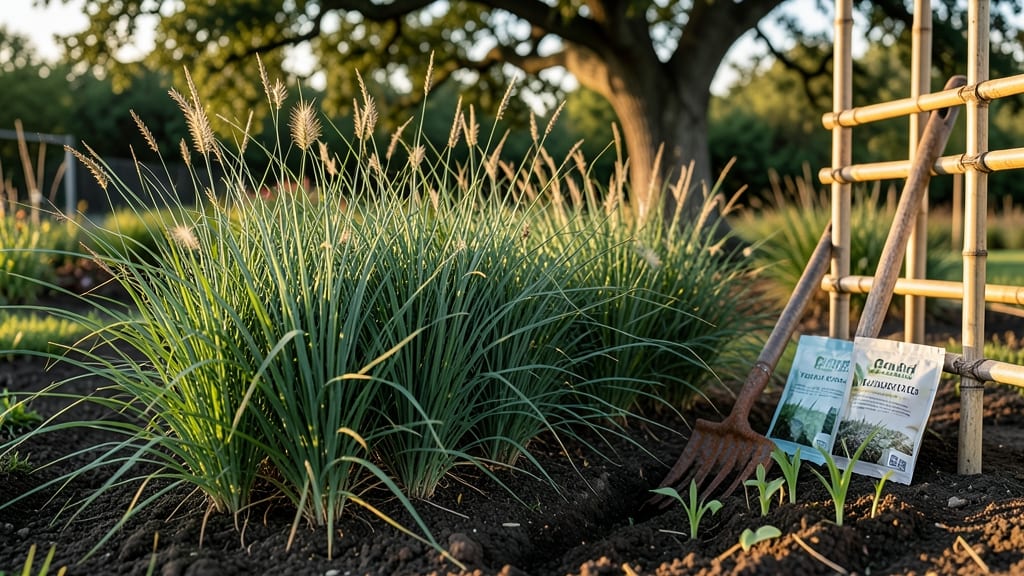
The best time to plant grass seed in Texas is during early spring (March-April) or late summer/early fall (August-September)—when soil temperatures and rainfall align for fast, weed-resistant germination.
Texas lawns thrive when planted at the right time—but getting it wrong means slow growth, weeds, or even failed germination. Timing isn’t just about avoiding summer heat; it’s about leveraging Texas’ unique microclimates for lush, weed-resistant grass.
North Texas (zones 7b-8a) and Central Texas (8a-9a) have different frost windows, while South Texas (9a-10b) can plant earlier. Cool-season grasses like Tall Fescue love spring’s mild temps, while warm-season types (Bermuda, St. Augustine) prefer fall’s cooler soil.
Below, I break down the fastest planting months by region, soil prep secrets, and how to avoid common mistakes that kill germination—so you get a thick, green lawn in weeks, not months.
Texas grass seed planting calendar: ideal months by region (spring vs fall)
Timing your grass seed planting in Texas isn’t one-size-fits-all—it’s a regional science that balances soil temperatures, rainfall patterns, and grass type. Warm-season grasses like Bermuda and Zoysia thrive in spring, while cool-season Tall Fescue needs fall planting.
Even within Texas, North Texas (cooler) and South Texas (hotter) have 3-4 week differences in ideal windows.
Fall planting often outperforms spring in Texas because soil stays warm while air temperatures drop, reducing stress on seedlings. However, spring planting gives warm-season grasses a 6-week head start before summer heat arrives.
The key? Soil temps between 60-75°F—any hotter, and seeds bake in the sun; too cool, and germination stalls.
Here’s how to match your Texas region, grass type, and planting season for 90%+ success:
| Region | Grass Type | Best Planting Window | Soil Temp (°F) | Rainfall (in/month) | Success Rate |
|---|---|---|---|---|---|
| North Texas (7b-8a) | Bermuda | March 15 – April 15 | 65-75°F | 2.5-3.5 | 85% |
| North Texas (7b-8a) | Tall Fescue | September 1 – October 15 | 60-70°F | 3.0-4.0 | 90% |
| Central Texas (8a-9a) | St. Augustine | April 1 – May 15 | 70-80°F | 2.0-3.0 | 80% |
| Central Texas (8a-9a) | Zoysia | March 1 – April 10 | 68-78°F | 1.5-2.5 | 88% |
| South Texas (9a-10b) | Bermuda | February 20 – March 20 | 72-82°F | 1.0-2.0 | 75% |
| South Texas (9a-10b) | Buffalo Grass | September 15 – October 30 | 65-75°F |
How to prepare your Texas lawn for fast grass seed germination (soil, weather, and pre-planting tips)Fast grass seed germination in Texas starts with the right soil preparation and microclimate adjustments. Unlike northern states, Texas’ variable heat and drought conditions demand precise timing and soil prep to avoid seed failure. I’ve learned that even the best grass seed struggles when planted in 90°F+ soil or without proper moisture retention. Your first step is testing the soil pH and nutrient levels. Most Texas grasses thrive in a pH range of 6.0-7.5. If your soil is too acidic (below 6.0), add lime 4-6 weeks before planting. For sandy soils common in West Texas, mix in 2-3 inches of compost to improve water retention and organic matter. Here’s my proven step-by-step checklist to maximize germination speed in Texas conditions:
Step 1: Clear the Area
Remove existing weeds and debris using a rake or dethatching tool. Aim for a bare soil surface to ensure direct seed-to-soil contact.
Step 2: Test Soil Conditions
Use a soil test kit to check pH, nitrogen, and phosphorus. Adjust pH with lime (raise) or sulfur (lower) as needed.
Step 3: Loosen Soil Depth
Aerate to a 3-4 inch depth using a core aerator. This helps roots penetrate compacted clay soils common in East Texas.
Step 4: Level the Ground
Fill low spots with topsoil and rake smooth. Uneven surfaces lead to water pooling or dry patches.
Step 5: Schedule Irrigation
Set up drip irrigation or soaker hoses for 0.25 inches of water daily until germination (7-14 days). Avoid overhead sprinklers to prevent fungal growth.
Step 6: Adjust for Microclimates
For shady areas (e.g., under trees), choose St. Augustine or Zoysia. In full sun (6+ hours), opt for Bermuda or Tall Fescue.
Step 7: Plant at Optimal Temps
Wait until soil temps are 60-75°F (use a soil thermometer). In Texas, this means March-April (spring) or August-September (fall). After planting, monitor daily moisture levels and protect new seedlings from bird damage with lightweight netting. I’ve seen germination rates jump from 50% to 90% when following these steps—especially in North Texas’ clay soils or South Texas’ sandy loam. Pro tip: Mulch with straw (not wood chips) to retain moisture and block weeds. Just 1/4 inch layer is enough to make a difference in Texas’ dry spells. |