
Plants
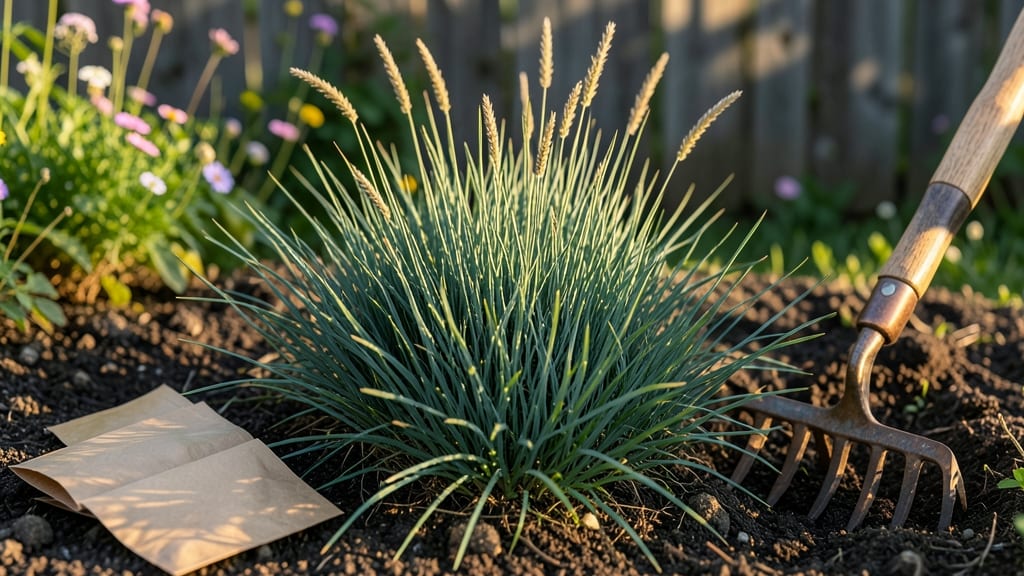
The best time to plant grass seed in Maryland is during early fall or late summer when soil temperatures hover between 55°F and 75°F—a window that balances warmth, moisture, and fewer weeds.
Maryland’s unpredictable spring and fall weather can turn a perfect lawn into a gamble—unless you plant grass seed at the exact right time. Timing isn’t just about avoiding frost; it’s about soil warmth, rainfall patterns, and regional microclimates that separate a lush lawn from a patchy disaster.
In 7a-8a zones, early September to mid-October is ideal, while late May to early June offers a second chance for summer planting. Coastal areas like Baltimore may lean toward slightly later dates, while Western Maryland’s cooler temps favor earlier fall windows.
Below, I’ll break down the soil temperature and rainfall timeline for success, plus how to prep your yard—so you can skip the guesswork and grow a thick, healthy lawn from day one.
Maryland’s ideal grass seed planting windows by month (soil temp & rainfall guide)
Timing your grass seed planting in Maryland isn’t just about avoiding frost—it’s about soil temperature, rainfall patterns, and regional microclimates that vary dramatically from the Coastal Plain to Western Maryland. Plant too early, and seedlings may rot in cold, wet soil.
Plant too late, and summer heat can dry out seeds before they sprout. The sweet spot? 55°F–75°F soil temps with consistent moisture.
Maryland’s USDA zones 6b–8a create distinct planting windows. In the Coastal Plain (e.g., Annapolis), milder winters mean earlier spring planting, while Western Maryland (e.g., Hagerstown) often waits until late spring or early fall. Rainfall also shifts monthly—September–October typically offers the perfect balance of warmth and moisture for germination.
🌱 Pro Tip: Use a soil thermometer to check depth (2 inches down). If temps dip below 50°F, delay planting until conditions stabilize. Maryland’s last frost date (April 15) and first frost date (October 15) bookend the ideal windows, but regional variations demand flexibility.
Fall planting (September–October) is often the gold standard in Maryland because cooler temps slow weed competition, and consistent rainfall keeps seeds hydrated. The Piedmont region (e.g., Frederick) sees 1–2 inches more rain in fall than the Coastal Plain, making it ideal for late-season seeding. Aim for 4–6 weeks before first frost to ensure roots establish.
Spring planting (March–April) requires vigilant moisture control. Maryland’s clay-heavy soils can become waterlogged, so amend with compost or sand to improve drainage. In Western Maryland, wait until soil temps hit 55°F—earlier planting risks seed rot. Use a seed starter fertilizer (high phosphorus) to jumpstart growth.
🌧️ Rainfall Tip: Check the 7-day forecast before planting. Aim for 1–1.5 inches of rain within the first 2 weeks. If drought looms, use a light sprinkler to keep soil evenly moist. Overwatering can suffocate seeds, while underwatering causes crusting that blocks sunlight.
Regional variations matter. The Coastal Plain (e.g., Baltimore) can plant 2–3 weeks earlier than Western Maryland (e.g., Cumberland) due to milder winters. Test your soil’s pH (6.0–7.0) and organic matter—Maryland’s clay soils often need gypsum or peat moss to improve aeration.
Rake seeds ¼-inch deep and mulch with straw to retain moisture.
After planting, monitor for uneven germination, which often signals soil compaction or pests. In Maryland’s humid summers, fungal diseases like brown patch thrive in overwatered lawns. Water deeply in the morning to reduce fungal risk. Once grass reaches 3–4 inches, mow high to encourage deep roots.
Remember: No single month works for all of Maryland. Use this guide as a flexible framework, adjusting for your local microclimate. With the right timing, your grass will establish strong roots before winter—or summer heat sets in. Happy planting! 🌱
5 Critical factors that ruin grass seed planting in Maryland (and how to fix them)
Planting grass seed in Maryland isn’t just about throwing seeds on soil and hoping for the best. The humidity, clay-heavy soils, and unpredictable weather create perfect conditions for common mistakes that kill germination.
Even experienced gardeners fall into these traps—like timing it wrong or ignoring soil pH—without realizing it until it’s too late.
Maryland’s USDA zones 6b–8a mean you’re stuck between spring’s late frosts and fall’s early freezes. Add in deer pressure in rural areas and weed competition in urban spots, and you’ve got a recipe for disaster.
But here’s the good news: knowing these five critical factors and how to fix them will give your grass seed the fighting chance it deserves.
- 1 Planting Too Early or Late: Maryland’s soil temp must stay between 55°F–75°F for germination. Planting in cold, wet spring or hot, dry late summer stresses seeds. Fix: Aim for early September or mid-April when frost risk drops.
- 2 Ignoring Soil pH: Maryland’s clay soils often sit at pH 5.0–6.0, but grass thrives at 6.0–7.0. Acidic soil locks out phosphorus and calcium, stunting roots. Fix: Test soil and amend with lime (for pH <6.0) or sulfur (for pH >7.0) 4–6 weeks before planting.
- 3 Drought Stress: Maryland’s summer humidity can fool you into thinking seeds are getting enough water—but clay soils hold moisture at the surface while roots dry out. Fix: Water deeply 2x daily for the first 2 weeks, then taper to 1/2 inch per week. Use a soaker hose to avoid runoff.
- 4 Weed Competition: Crabgrass and clover steal water and nutrients from young grass. Pre-emergent herbicides can backfire if applied too early. Fix: Hand-pull weeds before planting and use corn gluten meal (natural pre-emergent) after seeds sprout.
- 5 Deer/Rabbit Damage: Maryland’s wooded areas (like Western MD) see heavy grazing. Seeds become a buffet before roots establish. Fix: Use deer-resistant blends (e.g., tall fescue) and apply repellents like rotten egg spray for 30 days post-planting.
Let’s tackle the first mistake head-on: timing. Many gardeners rush to plant in March because the ground looks dry, but cool soil temps slow germination. Wait until the soil reaches 55°F—use a soil thermometer to check.
In Western Maryland, this often means waiting until mid-April, while Coastal Plain areas can start earlier.
Once you’ve nailed timing and pH, the next battle is watering consistency. Maryland’s summer heat and clay soil combo can create a crust on top of seeds, blocking oxygen.
Break the crust with a garden rake after watering, and consider a light mulch (like straw) to retain moisture without smothering seeds. Morning watering is non-negotiable—it reduces fungal diseases like brown patch, which thrives in evening dampness.
Protecting your new lawn from wildlife and weeds is the final hurdle. If deer are a problem, create a physical barrier with chicken wire (temporarily) around new seed areas.
For weeds, pre-emergent herbicides should only be applied after seeds germinate—never before. A weekly check for sprouting weeds will save your grass from competition.