
Plants
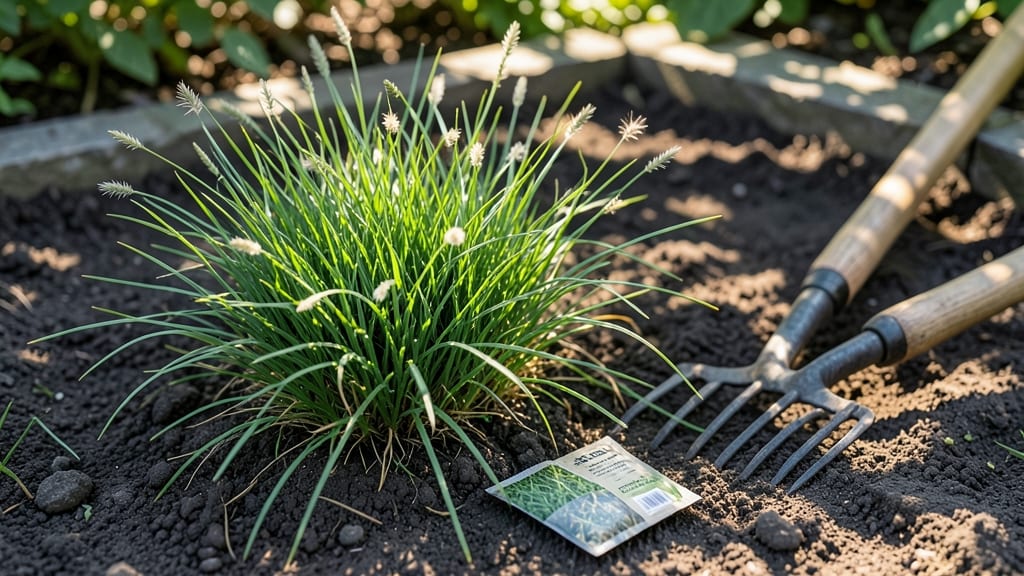
The best time to plant grass seed in Colorado is during early fall or late spring — when soil temps hover between 50°F and 65°F and moisture stays consistent.
Colorado’s unpredictable climate can turn grass-seeding into a gamble—unless you plant at the perfect time. Miss the window, and you’ll battle drought, weeds, or weak germination. Get it right, and you’ll unlock thick, lush turf that outlasts the Front Range’s harshest seasons.
Cool-season grasses like Kentucky bluegrass and tall fescue thrive when planted in September or March, avoiding the scorching summer heat or late-winter frost. High-altitude areas (like the Western Slope) may shift these windows by 2-4 weeks—so check your local frost dates before grabbing seed.
Inside, I’ll break down the two ideal windows, how to prep your soil for Colorado’s alkaline conditions, and the 3 biggest mistakes that kill grass before it even sprouts.
Optimal Colorado grass-seeding windows: cool-season timing explained
Colorado’s cool-season grasses thrive when planted during two key windows: early fall and late summer. These periods align with soil temperatures between 50°F and 70°F, perfect for germination without summer heat stress or winter dormancy risks.
Timing varies slightly between the Front Range and Western Slope due to elevation differences, but both regions benefit from these strategic planting times.
Early fall (late August to September) is my top recommendation for Colorado lawns. Cooler air temperatures and consistent rainfall create ideal conditions for seedling establishment. Plus, seedlings get a head start on root growth before winter dormancy sets in.
This window also avoids the competition from summer weeds that can smother new grass.
The second best window is late summer (June to early July), but this requires extra care. Planting too late risks summer heat stress, while early June can still be too hot for optimal germination.
For high-elevation areas like the Western Slope, this window shifts slightly later (July) to align with cooler mountain temperatures.
Here’s how Colorado’s climate zones affect timing:
For Front Range lawns (Denver, Boulder, Fort Collins), aim to plant 4-6 weeks before the first frost date (typically mid-October). This gives seedlings enough time to establish 3-4 inches of roots before winter dormancy.
Use a soil thermometer to confirm temps are below 70°F—this is your cue to start seeding.
On the Western Slope (Grand Junction, Durango), extend your fall window 2-3 weeks later due to later frost dates. September remains ideal, but October can work if daytime temps stay above 50°F.
High-elevation areas (above 7,000 feet) may need to start even earlier (late July) to avoid early snow cutting the growing season short.
One critical mistake I see is planting too late in fall, when frost risks or dormancy slow germination. Seedlings need 6-8 weeks of active growth to establish, so if your first frost is October 15, stop planting by September 1.
Use this 4-6 week rule as your guide: count backward from your average frost date to determine your last planting day.
Pro tip: Pair your planting window with Colorado’s natural rainfall patterns. Early fall (September) often brings consistent moisture without the intensity of summer storms, which can wash out seeds.
If rainfall is scarce, supplement with drip irrigation to maintain even soil moisture—critical for the first 2-3 weeks of germination.
For cool-season grasses like Kentucky bluegrass and tall fescue, these windows maximize success. Avoid planting warm-season grasses (like Bermuda) in Colorado—they struggle with our cold winters and alkaline soils. Stick to cool-season varieties and time your planting for optimal root development before winter’s chill sets in.
Remember: Soil temperature matters more than air temperature. Use a soil thermometer to confirm conditions are right—50°F to 70°F is ideal. If temps creep above 75°F, germination slows, and seedlings may brown out. This is why late summer planting requires shade cloth in hotter Front Range areas.
How to prepare your Colorado lawn for grass seed success
Colorado’s alkaline soils and unpredictable weather demand careful prep before seeding. Skipping this step means battling poor germination and weed competition. My 7-day pre-planting routine—tested in Denver’s USDA Zone 5—ensures your grass seed thrives, not just survives.
Start with a soil test to check pH and nutrients, then follow these critical steps to create the perfect seedbed.
First, address weed pressure—the #1 enemy of new grass. Use a pre-emergent herbicide 2 weeks before planting to block weeds without harming seedlings. For organic options, smother weeds with cardboard or landscape fabric and leave it in place for 4-6 weeks.
This also suppresses soil-borne diseases common in Colorado’s dry climate.
Next, till the soil to a depth of 3-4 inches—deeper for clay-heavy areas like the Front Range. Break up compacted layers with a broadfork or rototiller, then rake to create a fine, crumbly texture.
Avoid over-tilling, which can bury seeds too deep. Mix in 2-3 inches of compost to improve drainage and add organic matter lost in Colorado’s low-organic soils.
7-Day Pre-Planting Routine for Colorado Lawns
- 1 Day 7: Test soil pH (aim for 6.0-7.0). Amend with pelletized lime if pH is below 6.0—Colorado’s soils often need this boost.
- 2 Day 5: Apply starter fertilizer (high phosphorus, like 5-10-10) at ½ lb per 100 sqft. This jumpstarts root growth before seeds even sprout.
- 3 Day 3: Level the soil with a lawn rake, filling low spots with a mix of sand and compost. Slope should be 1% grade for water runoff.
- 4 Day 1: Lightly water the area to 1 inch depth the morning of planting. Avoid muddy conditions—seeds need direct soil contact for germination.
- 5 Planting Day: Spread seed evenly with a broadcast spreader, overlapping passes by 10-15%. Lightly rake to bury seeds ¼ inch deep—critical for moisture retention.
- 6 Post-Planting: Water lightly but frequently (3x daily for 10 mins) to keep soil consistently moist. Switch to deep watering (1 inch per week) once seedlings reach 2-3 inches tall.
- 7 Week 3: Mow when grass reaches 3-4 inches tall, setting your mower to 3 inches to shade soil and reduce weeds. Avoid mowing more than ⅓ of the blade height at once.
Colorado’s dry winds and intense sun can dry out seeds faster than you think. After planting, cover the area with straw mulch (not hay—it contains weed seeds) to retain moisture and protect seedlings.
Remove mulch once grass reaches 3 inches tall to avoid smothering. For high-altitude areas like Fort Collins or Boulder, extend this mulch phase by 1