
Plants
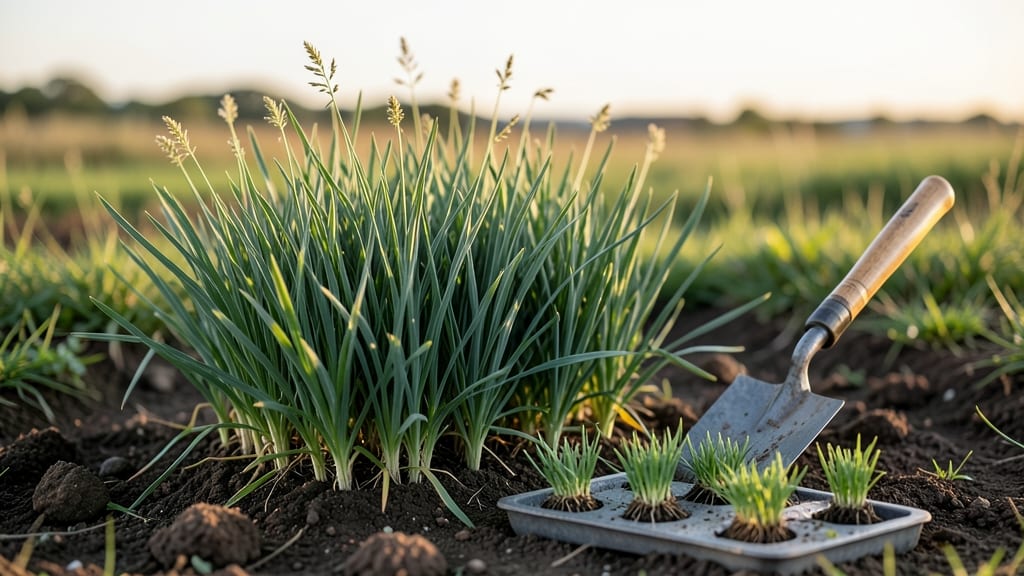
Planting grass in Kansas at the right time—between early spring and early fall—sets the stage for a lush, resilient lawn that survives the state’s extremes.
Picture this: you’ve spent hours preparing your soil, choosing the perfect seed blend, and even testing the pH—only to watch your investment fade under a late frost or wither in summer’s heat.
Kansas lawns thrive when planted at the right time, but getting it wrong can mean sparse grass, wasted seed, or even failed germination. Timing isn’t just about the calendar; it’s about soil temperatures, weather patterns, and grass type compatibility.
Cool-season grasses like tall fescue love the 50–65°F soil of spring, while warm-season varieties like Bermuda grass prefer the 65–75°F of late spring or early summer. Southern Kansas’s warmer microclimates shift those windows by weeks compared to the cooler north.
Below, I’ll break down the exact windows, soil prep secrets, and watering schedules to turn your patchy yard into the envy of the neighborhood.
You’ll also discover why fall planting often yields better results than spring, how to spot common mistakes before they cost you, and the one grass type that thrives even in Kansas City’s toughest summers.
Optimal Kansas grass planting windows by season: soil temperature rules
Timing your grass planting in Kansas isn’t just about picking a month—it’s about soil temperatures and microclimates that vary dramatically between Wichita and Kansas City. Cool-season grasses like tall fescue thrive when soil hits 50–65°F, while warm-season types such as Bermuda grass need 65–75°F to germinate properly.
In USDA zones 5b–7a, these windows shift by weeks depending on elevation and urban heat islands.
Northern Kansas (e.g., Salina) has earlier frost risks than southern regions like Hutchinson, where summer heat arrives sooner. Planting too early in spring risks frost damage, while waiting too late can leave your lawn vulnerable to summer drought and weed competition.
The key? Align your schedule with soil thermometers and local last-frost dates, which typically range from mid-April in the north to early April in the south.
| Season | Ideal Soil Temp (°F) | Best Months (Northern KS) | Best Months (Southern KS) | Grass Types |
|---|---|---|---|---|
| Early Spring | 50–65°F | Mid-April to May | Late March to April | Tall fescue, Kentucky bluegrass |
| Fall | 50–65°F | Late August to September | September to early October | Cool-season grasses |
| Late Summer | 65–75°F | June to July | May to June | Bermuda, buffalo grass |
For cool-season grasses, the fall window (late August to September) is often superior to spring planting. Cooler temperatures reduce water stress, and seeds establish deeper roots before winter. In southern Kansas, where summers are hotter, aim for September planting to beat the first frost (typically mid-October).
Northern regions should finish by late August to avoid early frosts.
Warm-season grasses like Bermuda or zoysia demand consistent warmth, so planting in late spring (May–June) ensures soil stays above 65°F. These grasses go dormant in winter, so fall planting is not recommended.
If you’re in Wichita, where summer heat arrives early, start seed in April to capitalize on longer daylight and warmer soils.
Microclimates play a huge role. Urban areas like Kansas City experience heat islands that can push soil temps 5–10°F higher than rural zones. If your yard is near pavement or buildings, plant 1–2 weeks earlier than the general guidelines.
Conversely, shaded lawns or northern exposures may need a delayed start to avoid cool-soil germination issues.
Pro tip: Test your soil 2 weeks before planting. A pH of 6.0–7.0 is ideal for most Kansas grasses, but lime or sulfur amendments may be needed to adjust.
Pair this with a soil thermometer—cheap and game-changing. For example, if your soil reads 48°F in early April, wait until it hits 55°F for consistent germination.
Myth busting: Summer planting is a common mistake. While warm-season grasses can handle heat, cool-season types will bake in the sun and wilt before sprouting. Even Bermuda grass struggles if planted after mid-July in northern Kansas.
Stick to the spring/fall windows, and your lawn will outcompete weeds and thrive year-round.
Watering strategies also shift with timing. After planting in spring, water lightly daily (1/4 inch) to keep soil moist but not soggy. In fall, reduce frequency to every 2–3 days as temps drop.
Overwatering in hot months can drown seeds, while underwatering in drought (common in July–August) stresses new grass. Use a rain gauge to track 1 inch of water per week, including rainfall.
Remember: Kansas’ variable climate means flexibility is key. If a late frost delays spring planting, switch to sod for instant coverage. For fall, if first frost arrives early, prioritize shade-tolerant varieties like fine fescue to extend your window.
By mastering these soil temperature rules, you’ll avoid the #1 lawn failure: sparse,
Best grass types for Kansas planting: matching seed to your climate zone
Choosing the right grass for your Kansas lawn depends on your USDA hardiness zone (5b-7a) and whether you prefer cool-season or warm-season grasses. Cool-season types like tall fescue and Kentucky bluegrass dominate northern Kansas, while Bermuda grass and buffalo grass thrive in southern regions.
Each type has unique planting windows, drought tolerance, and shade performance that impact success.
Kansas' variable climate means your choice should align with seasonal rainfall patterns and summer heat intensity. For example, tall fescue handles Kansas' drought conditions better than Kentucky bluegrass, while buffalo grass requires minimal water once established. Let’s match your lawn goals to the best grass type and planting strategy.
🌱 Key Considerations:
- Northern Kansas (USDA 5b-6a): Cool-season grasses excel here with spring/fall planting
- Southern Kansas (USDA 7a): Warm-season grasses dominate with late spring/summer planting
- Shade tolerance: Tall fescue (60% shade) vs. Bermuda (full sun only)
- Establishment success: 85%+ for cool-season in spring vs. 70% for warm-season in summer
| Grass Type | Best Planting Months | Ideal Soil Temp (°F) | Drought Tolerance | Shade Performance | Establishment Rate | Kansas-Specific Variety |
|---|---|---|---|---|---|---|
| Tall Fescue | March-April, Sept-Oct | 50-65°F | High (💧 8/10) | Moderate (40-60% shade) | 88% | Kentucky 31, Turf-Type 37 |
| Kentucky Bluegrass | March-April, Sept | 50-60°F | Moderate (💧 5/10) | Low (full sun only) | 82% | Midnight, NuGlade |
| Bermuda Grass | May-June | 65-75°F | Very High (💧 9/10) | None (full sun only) | 75% | Tifway 419, Riviera |
| Buffalo Grass | April-May | 60-70°F | Extreme (💧 10/10) | Moderate (30-50% shade) | 70% | Bison, Cody |
If you're in northern Kansas, tall fescue is my top recommendation—it handles Kansas' hot summers and cold winters with 88% establishment success when planted in early spring. The Kentucky 31 variety is particularly resilient to drought stress and foot traffic, making it ideal for active families.
For shady areas, look for tall fescue blends labeled "shade-tolerant."
Southern Kansas homeowners often gravitate toward Bermuda grass for its heat tolerance and low maintenance once established. However, it requires full sun exposure and consistent watering during the first 60 days after planting.
The Tifway 419 variety is a local favorite for its drought resistance and quick recovery after mowing. Plant in late May when soil temperatures consistently stay above 65°F.
For water conservation and native landscaping, buffalo grass is gaining popularity across Kansas. This warm-season perennial thrives with minimal irrigation once established and handles moderate shade better than Bermuda.
The Bison variety has shown 70% establishment success in Kansas trials when planted in late April, making it a great option for eco-conscious gardeners.
Remember: soil preparation is just as critical as grass selection. Conduct a soil test before planting to ensure pH levels are between 6.0-7.0—most Kansas soils benefit from lime amendments for cool-season grasses. For warm-season types, a light nitrogen boost at planting can accelerate root development by 30%.