
Pests and Diseases
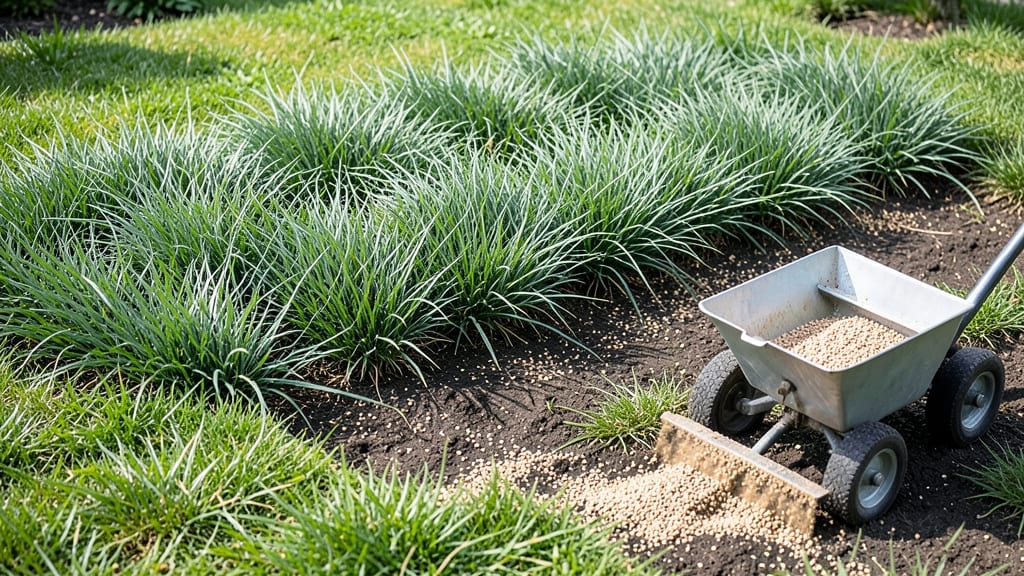
A good time to fertilize your grass is early spring and late summer, when your lawn is primed for growth and recovery 🌱 — but timing it wrong can leave you with patchy, weak grass that never quite bounces back.
Picture this: you’ve spent hours mowing, watering, and weeding, only to look out and see brown spots creeping in despite your best efforts. The issue? Most people fertilize at the wrong time, missing the critical windows when grass actually absorbs nutrients efficiently.
Whether you’re in a cool northern climate or a warm southern zone, the secret to a lush lawn lies in aligning your fertilizer schedule with your grass’s natural growth cycles.
Cool-season grasses like Kentucky bluegrass and fescue thrive with a spring feeding to kickstart growth, while warm-season varieties such as Bermuda or Zoysia need a late summer boost to recover from heat stress.
But here’s the catch: fertilizing too early or too late can waste money, burn your grass, or even invite pests. That’s why knowing the exact months—and how to prep your lawn before and after—is the game-changer for thicker, greener grass without the guesswork.
In this guide, you’ll discover the precise seasonal windows for your region, how to adjust for drought or rain, and the simple pre- and post-fertilization steps that make all the difference. Ready to transform your lawn from “meh” to “wow”? Let’s get started.
Best seasonal timing for fertilizing grass by climate zone
Timing your grass fertilization isn't one-size-fits-all—it depends on your climate zone and the type of grass growing in your yard. Cool-season grasses like Kentucky Bluegrass and Fescue thrive in northern regions, while warm-season varieties such as Bermuda and Zoysia dominate southern landscapes.
Even transitional zones require unique adjustments. Let's break down the optimal fertilization windows for each scenario to ensure your lawn stays lush year-round.
Understanding these seasonal windows helps prevent common mistakes like fertilizing during dormancy or extreme heat, which can stress your grass. For example, applying fertilizer in late summer helps cool-season grasses recover from summer stress, while warm-season grasses benefit from early fall applications to strengthen roots before winter.
Let's explore the specifics for your region.
| Climate Zone | Grass Type | Primary Fertilization Windows | Secondary Applications | Key Considerations |
|---|---|---|---|---|
| Northern (Cool-Season) | Kentucky Bluegrass, Fescue | Early Spring (March-April), Late Summer (August-September) | Optional Fall (October) | Avoid winter applications; focus on pre-spring and post-summer recovery |
| Southern (Warm-Season) | Bermuda, Zoysia, St. Augustine | Late Spring (May-June), Early Fall (September-October) | Optional Summer (July-August) | Prioritize summer drought resilience and fall root strengthening |
| Transitional | Tall Fescue, Ryegrass | Early Spring (March-April), Late Summer (August-September) | Optional Fall (October) | Adjust based on first/last frost dates; split applications for gradual growth |
If you live in a northern climate, focus on fertilizing in early spring (March-April) to kickstart growth after winter dormancy. This is when cool-season grasses like Kentucky Bluegrass and Fescue begin their active growth phase.
A second application in late summer (August-September) helps them recover from summer stress and prepares them for winter. Avoid fertilizing in late fall or winter, as the grass won't absorb nutrients effectively.
For southern climates, the timing shifts to accommodate warm-season grasses like Bermuda and Zoysia. These grasses thrive in heat and need fertilization in late spring (May-June) to fuel summer growth.
A second application in early fall (September-October) strengthens roots before winter. Optional summer applications can help maintain vibrancy during drought conditions, but avoid over-fertilizing, which can burn grass in extreme heat.
In transitional zones, where temperatures fluctuate dramatically, timing becomes even more critical. Grass types like Tall Fescue and Ryegrass benefit from early spring fertilization to jumpstart growth, followed by a late summer application to recover from summer stress.
Adjust your schedule based on your first and last frost dates, splitting applications if needed to avoid overwhelming the grass with nutrients all at once.
Regardless of your climate, always check the soil moisture before fertilizing. Apply fertilizer in the early morning to prevent burning, and water deeply afterward to activate nutrients. Avoid fertilizing if rain is forecasted within 24 hours, as this can lead to nutrient runoff and waste.
Pro tip: Use a slow-release fertilizer in early fall to provide steady nutrients as your grass prepares for winter. This helps build root strength without encouraging late-season growth that could be damaged by frost.
For new lawns, wait until the grass is 6-8 weeks old before applying fertilizer to avoid stressing young plants.
By aligning your fertilization schedule with your climate zone and grass type, you'll create a lawn that stays lush, resilient, and free of patchy spots. Experiment with these timings and observe how your grass responds—small adjustments can make a big difference in the long run.
How to adjust fertilization timing for grass growth stages
Understanding your grass's growth cycle is the key to perfect fertilization timing. Grass doesn't grow at the same rate year-round—it has distinct phases where it needs different nutrients.
For example, cool-season grasses like fescue and ryegrass grow most actively in spring and fall, while warm-season grasses like Bermuda and Zoysia peak in late spring and summer.
Aligning your fertilizer applications with these cycles ensures your lawn gets the right nutrients at the right time, preventing waste and promoting healthier growth.
I've learned the hard way that fertilizing at the wrong time can actually harm your grass. Applying nitrogen-heavy fertilizers in summer drought or late fall can stress the plant, leaving you with brown patches instead of lush green blades.
The solution? A seasonal fertilization plan that matches your grass type and local climate. Let's break down the best times to fertilize based on your grass's natural growth stages.
March-April
Apply high-nitrogen fertilizer (25-0-5) 4-6 weeks before peak growth. This jumpstarts root development and leafy growth after winter dormancy. Avoid frozen or waterlogged soil.
August-September
Use a balanced formula (10-10-10) to help grass recover from summer heat and drought. This is also when weed control fertilizers work best before weeds go dormant.
October
Switch to a low-nitrogen, high-potassium blend (5-10-15) to strengthen roots before winter. This helps grass resist cold temperatures and recovers faster in spring.
One of the biggest mistakes I see is over-fertilizing in late summer. When temperatures rise above 85°F (29°C), grass growth slows down, and excess nitrogen can actually burn the blades or lead to thatch buildup.
Instead, opt for a light application of slow-release fertilizer in early August to give your lawn a gentle boost without stressing it. Always check the weather forecast—if heavy rain is expected within 24-48 hours, delay fertilization to prevent nutrient runoff.
Spotting over- or under-fertilization is easier than you think. Over-fertilized grass often shows as yellowish-brown tips or a thick thatch layer, while under-fertilized grass appears pale green or patchy. I recommend doing a simple soil test in early spring to check nutrient levels.
If your soil is deficient in phosphorus or potassium, adjust your fertilizer blend accordingly. For example, a high-phosphorus starter fertilizer (like 5-10-5) is ideal for new lawns or areas recovering from stress.
For cool-season grasses, a fourth application in late fall (around October) can provide extra protection against winter kill. However, avoid fertilizing if your region experiences hard freezes—grass won't absorb nutrients when dormant.
In warm climates, you can extend your fertilization schedule into early winter (December-January) for grasses like Bermuda, but stop at least 6 weeks before the first frost if you're in a transitional zone.
Pro tip: Always mow your lawn slightly shorter (but never more than 1/3 of the blade height) before fertilizing. This helps the fertilizer reach the soil-root zone more effectively. After applying, water deeply to activate the nutrients—aim for 1 inch of water over the next 24 hours.
Consistency is key: stick to a 6-8 week fertilization schedule during the growing season, and you'll see a noticeable difference in your lawn's density and color by next spring.