
How To
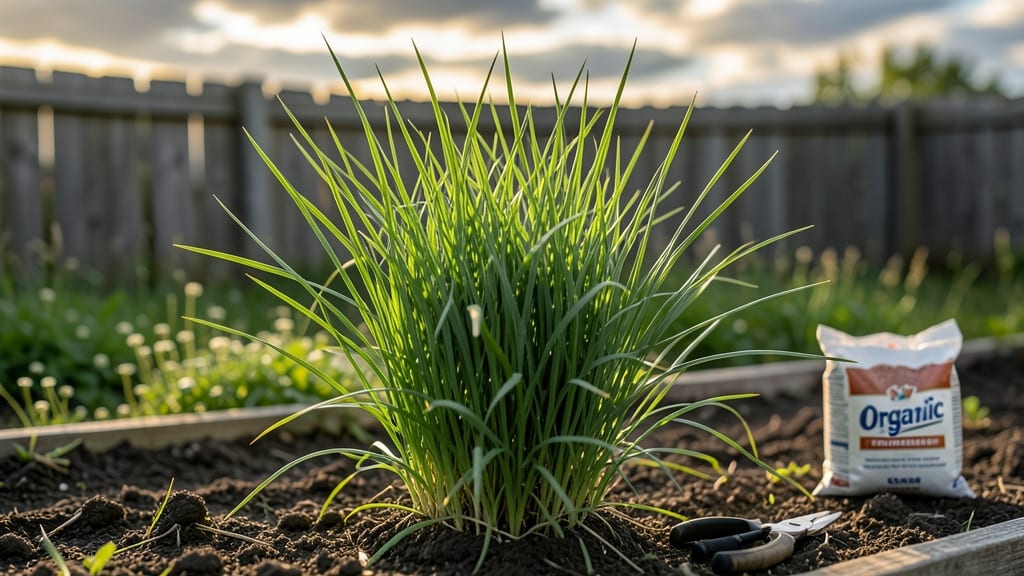
Wondering how tall does ryegrass grow? It typically reaches heights between 6 inches and 2 feet, depending on the variety and growing conditions—making it a versatile choice for lawns, erosion control, and pastures.
If you’ve ever wondered whether ryegrass will tower over your yard or stay neatly trimmed, the answer depends entirely on how you manage it. Annual types like Italian ryegrass max out around 12-18 inches, while perennial varieties can stretch toward 2 feet if left unchecked.
Sunlight, soil quality, and mowing habits play a bigger role than most gardeners realize. Too much shade or poor drainage can stunt growth, while aggressive mowing keeps it short and dense.
The right balance means you can tailor ryegrass to fit your space—whether you want a lush lawn or a quick cover crop.
In this guide, I’ll break down the height ranges by variety, the factors that control growth, and how to keep ryegrass at your ideal height year-round.


Ryegrass height by variety: annual vs. perennial types explained
When choosing ryegrass for your lawn, pasture, or erosion control project, height matters more than you might think. Some varieties stay compact at just 4-6 inches, while others can tower over 2 feet if left unchecked.
The key difference lies in whether you're planting annual or perennial types—and even then, specific varieties within those categories behave differently. Let me break down the height ranges and growth habits so you can pick the perfect match for your space.
Annual ryegrass varieties like Italian ryegrass grow aggressively but typically reach 12-18 inches at maturity. These are the workhorses of winter lawns and temporary cover crops, designed to establish quickly and then die back with warmer weather.
Perennial types, on the other hand, can persist for years—some staying low and dense (6-12 inches) while others grow taller (18-24 inches) for pasture or hay production.
| Variety | Type | Mature Height | Growth Habit | Best Uses |
|---|---|---|---|---|
| Italian Ryegrass | Annual | 12-18 inches | Fast-spreading, dense | Winter lawns, erosion control |
| Annual Ryegrass | Annual | 10-16 inches | Medium density, cold-hardy | Cover crops, temporary pasture |
| Perennial Ryegrass | Perennial | 18-24 inches | Tall, clumping | Pasture, hay production |
| Dwarf Perennial | Perennial | 6-12 inches | Low-growing, dense | Lawns, golf courses |
| Tetraploid Ryegrass | Perennial | 15-20 inches | Medium height, cold-tolerant | Sports fields, mixed pastures |
For lawns, Italian ryegrass and dwarf perennial varieties are my top recommendations. They stay low enough (6-12 inches) to mow regularly without stressing the blades, yet grow densely enough to crowd out weeds.
These are the types you'll find in cool-season lawn blends designed for quick establishment in fall or early spring. If you're looking for something taller for livestock grazing, perennial ryegrass varieties like Tetraploid can reach 18-20 inches and handle heavy traffic better than their annual counterparts.
The growth habit is just as important as height. Annual types like Italian ryegrass grow in bunchy clumps that spread through seed, while perennial varieties often form dense sod that's more resilient to foot traffic.
This difference affects how quickly they fill bare spots and how easily they recover from damage. For example, my pasture mixes always include a mix of perennial ryegrass and fescue because the taller ryegrass provides shade and forage, while the shorter fescue stays green longer in summer.
Climate plays a surprising role in height variation. In cooler northern regions, ryegrass often stays shorter (10-14 inches) because growth slows in summer. But in milder southern climates, the same varieties can reach 18-24 inches if given consistent moisture.
That's why I always recommend testing your soil's drainage and pH before planting—poor drainage can stunt growth, while overly rich soil might encourage excessive height. Aim for a pH between 6.0-7.0 and well-draining soil to keep your ryegrass at its ideal height.
One common mistake I see is assuming all ryegrass behaves the same. Italian ryegrass, for instance, can grow 30% taller in ideal conditions compared to its dwarf perennial cousins.
If you're seeding a lawn and want to keep it under 6 inches, you'll need to choose specifically labeled dwarf varieties and mow frequently. For erosion control on steep slopes, taller annual types (12-18 inches) establish faster and hold soil better during heavy rains.
Always check the seed packet for mature height ranges—it's the quickest way to avoid surprises.
Let's talk about mowing height next, because this directly impacts how tall your ryegrass will appear. For lawn varieties, I never cut below 2.5 inches—this prevents scalping and keeps the grass healthy.
Taller varieties meant for pasture or hay can be mowed at 4-6 inches to encourage more leaf growth. The key is consistency: never remove more than 1/3 of the blade height in a single mowing, or you'll stress the plant and invite weeds.
I've found that perennial ryegrass recovers better from taller cuts than annual types, making it ideal for low-maintenance pastures.
For erosion control projects, height becomes a strategic tool. Taller ryegrass (18+ inches) creates a physical barrier that slows water flow and traps sediment. I've used annual ryegrass mixes on construction
Factors that control ryegrass height: sunlight, soil, and mowing practices
Ryegrass height isn’t set in stone—it’s heavily influenced by sunlight exposure, soil quality, and how often you mow. Understanding these factors lets you steer growth toward your ideal lawn height, whether you want a short, manicured look or a taller, natural aesthetic.
Let’s explore how each element plays a role in shaping your ryegrass.
Sunlight is the most powerful height regulator for ryegrass. When planted in full sun (6+ hours daily), it grows aggressively, reaching 1.5–2 feet tall with lush, dense blades. But in partial shade (3–6 hours of sun), growth slows, often capping at 6–12 inches.
This is why shade-tolerant varieties like annual ryegrass are popular for under trees or north-facing yards.
Soil quality directly impacts ryegrass height by controlling nutrient availability. Well-draining, fertile soil with plenty of organic matter fuels rapid growth, often resulting in taller, thicker blades. Amend clay or sandy soil with compost or peat moss to improve drainage and fertility.
If your soil is poor or compacted, ryegrass may struggle to reach its full height, staying under 12 inches even with ideal sunlight.
Mowing frequency is the easiest way to control ryegrass height in real time. For a short lawn (3–4 inches), mow weekly and never remove more than ⅓ of the blade height at once. To encourage taller growth (12+ inches), reduce mowing to every 2–3 weeks.
Just remember: leaving grass too long can lead to thatch buildup or seed production, which may not suit your landscaping goals.
Watering habits also play a subtle but important role. Overwatering can stretch ryegrass stems, making them taller and weaker, while underwatering stresses the plant, often resulting in shorter, patchy growth.
Aim for 1–1.5 inches of water per week, either from rainfall or irrigation, and water deeply in the morning to encourage strong root development and even growth.
To summarize, ryegrass height is a balancing act. For a short, dense lawn, prioritize full sun, frequent mowing, and balanced watering. For a taller, natural look, embrace partial shade, less frequent mowing, and richer soil.
Experiment with these factors to find the perfect height for your yard’s style and climate.