
Lawn
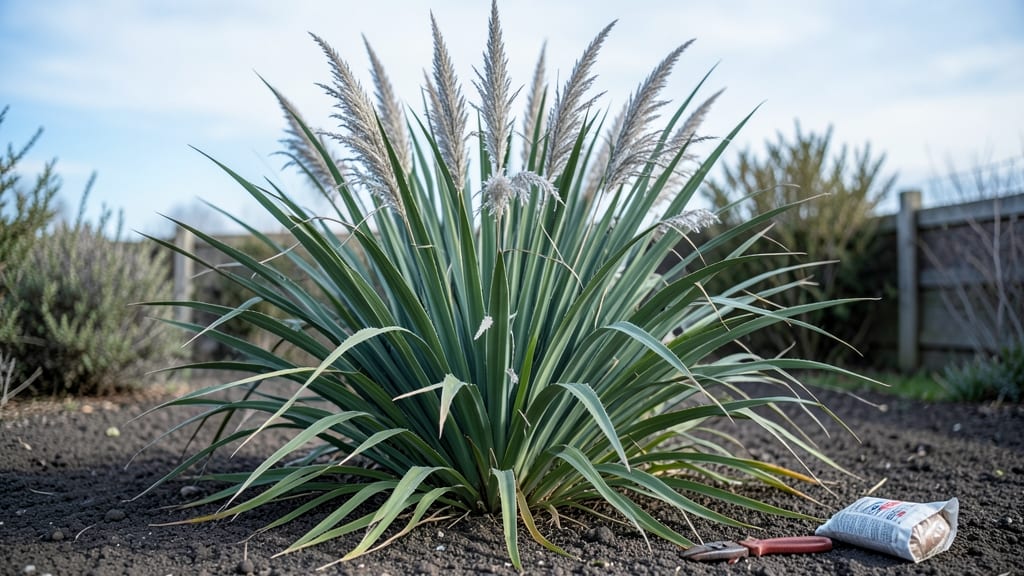
Pampas grass typically comes back in late spring to early summer after its winter dormancy, with most U.S. regions seeing regrowth between April and June, though exact timing depends on your local frost-free date and hardiness zone.
This timing aligns with when soil temperatures consistently reach 50°F—a key trigger for breaking dormancy. 🌱 In colder zones (USDA 7-8), growth may lag until late May or June, while warmer climates (USDA 9-10) often see shoots emerge as early as March.
The grass's deep root system helps it survive winter, but consistent moisture during regrowth is critical for strong revival.
What's interesting is how the plant signals new life: look for bright green shoots emerging from the base, often accompanied by a slight swelling at the crown.
I always recommend removing dead foliage in early spring (before new growth appears) to redirect energy to the emerging shoots—this simple step can make a huge difference in how lush your pampas grass becomes by summer.
For those in transitional climates, watch for late frosts—they can delay regrowth by weeks. If your area experiences unpredictable spring weather, consider wrapping young shoots with frost cloth until temperatures stabilize.
This extra protection ensures your pampas grass gets the strong start it needs to reach its impressive mature height by late summer.
💡 In This Article
- Pampas Grass Regrowth Factors by Climate Zone
- Signs of New Pampas Grass Growth and Early Care Tips
Pampas grass regrowth factors by climate Zone
The regrowth timing of pampas grass is primarily governed by soil temperature thresholds and frost-free dates. This ornamental grass enters dormancy when nighttime temperatures drop below 40°F, typically in late fall.
The key trigger for breaking dormancy occurs when soil temperatures at a 4-inch depth reach a consistent 50°F—a threshold that varies by region.
In the Deep South (USDA Zone 9-10), this can happen as early as February, while in colder climates (USDA Zone 7-8), it may not occur until late May.
Hardiness zones play a critical role in determining the exact window. For example, in Zone 8, where last frost dates average between March 15 and April 15, regrowth typically begins in early April. Meanwhile, in Zone 9, where frost is rare, new shoots often emerge by late February.
The deeper root system (reaching 3-5 feet) helps pampas grass survive winter, but it's the soil temperature that ultimately signals the plant to resume growth. This explains why you might see shoots in one part of your yard weeks before they appear elsewhere.
Another critical factor is the length of the growing season. In northern climates with shorter summers, pampas grass may enter a second period of dormancy if temperatures drop again in early fall. This phenomenon, called "summer dormancy," is more common in Zone 7 and colder.
The plant conserves energy by slowing growth when daytime temperatures exceed 90°F, which is why some gardeners in these areas notice stunted growth during heatwaves. Understanding this cycle helps explain why pampas grass might appear dormant in summer despite having green shoots earlier in the season.
Regional microclimates also create variations within the same zone. Coastal areas with milder winters often see earlier regrowth compared to inland regions at the same latitude. For instance, San Diego (Zone 10) might have pampas grass emerging by January, while nearby inland valleys could see it appear in March.
This is why local weather patterns—like the timing of the last frost or heatwave onset—can shift regrowth windows by 3-4 weeks. Tracking these variations helps gardeners anticipate when to expect new growth in their specific location.
What most gardeners don't realize is how light levels influence regrowth timing. Pampas grass is a long-day plant, meaning it responds to increasing daylight hours.
In northern latitudes, where days lengthen rapidly in spring, the plant may break dormancy sooner than in southern regions where daylight changes are more gradual.
This explains why Zone 6 gardens might see shoots emerge in early May, while Zone 9 gardens see them in February—despite both having similar average temperatures. The combination of temperature, light, and frost patterns creates a complex but predictable regrowth schedule for this hardy ornamental.
For precise planning, consult your local frost-free date and compare it to historical soil temperature data. Many agricultural extension services provide free soil temperature maps that show when 50°F thresholds are reached in your area.
This data can help you adjust expectations if your pampas grass appears later than typical for your zone. For example, a late frost in April could delay regrowth by 2-3 weeks even in Zone 8 climates. 🌱