
Fertilization
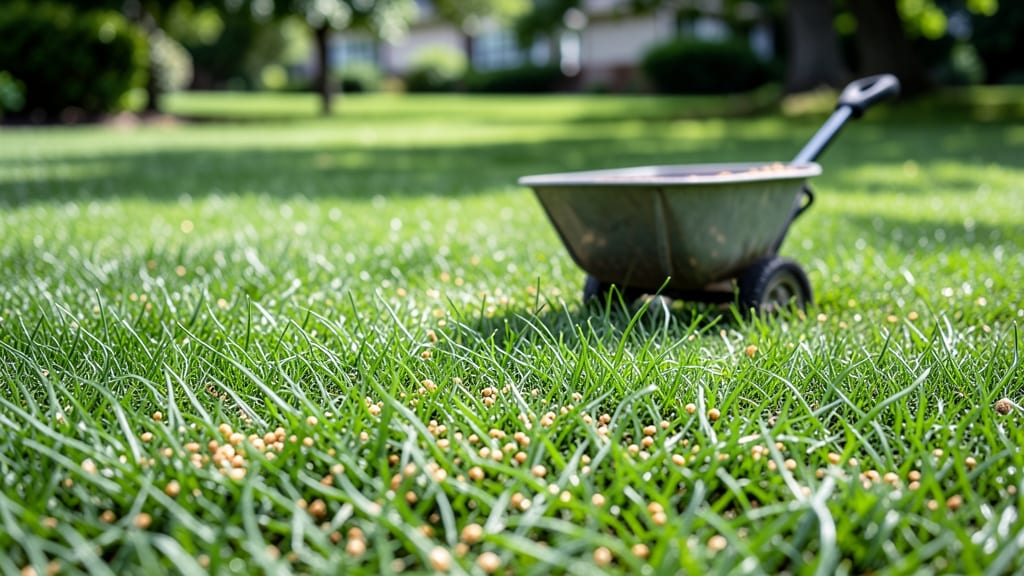
You fertilize grass when the growing season kicks off in early spring and again in late summer or fall, depending on your grass type and climate.
Struggling to keep your lawn vibrant year-round? Timing your grass fertilization perfectly can make the difference between a patchy yard and a lush, envy-inducing green carpet.
The key is understanding your grass's natural cycle—cool-season grasses like Kentucky bluegrass and fescue need feeding in early spring and fall, while warm-season grasses like Bermuda and Zoysia thrive with summer applications. One wrong move, and you risk burning your lawn or wasting money on fertilizer that won't stick.
Most lawns benefit from three to four feedings per year, spaced about 6 to 8 weeks apart. But here’s the catch: soil tests and local weather play a huge role. Too much rain can wash away nutrients, while drought can stress grass before it absorbs the fertilizer.
I’ll walk you through the exact schedule for your region, plus how to spot when your lawn is really hungry—and when it’s better to hold off.
Skip the guesswork and learn how to fertilize at the right time for stronger roots, disease resistance, and a lawn that stays green even when neighbors are cursing their brown patches.
By the end, you’ll know not just when to fertilize, but how to do it without overdoing it.
Best grass fertilization seasons: a month-by-month guide for optimal growth
Timing your grass fertilization correctly is the secret to a vibrant lawn that stays lush all season. Unlike annual plants, grass grows year-round in many climates, but its nutrient needs shift dramatically with temperature changes.
Cool-season grasses like Kentucky bluegrass and fescue thrive in spring and fall, while warm-season varieties such as Bermuda grass and Zoysia peak in summer. Understanding these cycles helps you avoid over-fertilizing during dormancy or under-feeding during growth spurts.
Most gardeners make the mistake of fertilizing at the same time every year, regardless of grass type or climate. This approach often leads to burned grass or wasted fertilizer. Instead, I recommend tailoring your schedule to your specific grass variety and local growing conditions.
For example, in USDA Zone 6a, where frost dates typically run from mid-April to mid-October, fertilization timing differs significantly between cool and warm-season grasses. Let's break it down month by month.
🌱 Key Insight: The best fertilization windows align with your grass's natural growth cycles, not calendar months. Always check soil temperature before applying fertilizer—cool-season grasses need soil temps above 50°F (10°C), while warm-season types prefer 65°F (18°C) or warmer.
| Month | Cool-Season Grass | Warm-Season Grass | Soil Temp | Fertilizer Type |
|---|---|---|---|---|
| January | Dormant - Skip | Dormant - Skip | Below 50°F | None |
| February | Light feed if growing | Dormant - Skip | 40-50°F | Low-nitrogen (5-10-10) |
| March | Full feed (20-5-10) | Dormant - Skip | 50-60°F | High-nitrogen |
| April | Full feed every 6-8 weeks | Pre-emergent (if needed) | 60-70°F | Balanced (10-10-10) |
| May | Light feed (avoid heat stress) | Starter fertilizer (15-5-10) | 70-80°F | Slow-release |
| June | Dormant - Skip | Full feed (high potassium) | 80-90°F | Potassium-rich (5-10-15) |
| July | Dormant - Skip | Light feed every 6 weeks | 85-95°F | Iron supplement |
Signs your grass needs fertilizer: how to diagnose nutrient deficienciesYour lawn might look healthy at first glance, but subtle nutrient deficiencies can sneak in, leaving your grass dull or weak. Before reaching for fertilizer, learn to spot these visual warning signs that indicate your grass is hungry for essential nutrients. Yellowing patches, slow recovery after mowing, or increased weed growth are all clues your soil may be lacking the right balance of nitrogen, phosphorus, or potassium. Start by examining your grass blades closely. Pale or yellowing grass often signals nitrogen deficiency, while purplish or reddish hues can indicate phosphorus shortages. These visual cues help you diagnose the issue before it spreads. Soil testing is the next step—it reveals exact nutrient levels and pH balance, ensuring you apply the right fertilizer for your lawn's needs. ⚠️ callout-warning ⚠️
⚠️ When NOT to Fertilize Your Grass
Common mistakes, like over-fertilizing or applying fertilizer at the wrong time, can harm your lawn. For example, using a high-nitrogen feed in late summer can lead to fungal diseases or weak growth before winter. Instead, follow a seasonal fertilization schedule: early spring for growth, late spring for strength, and early fall for root development. Don't ignore thin or patchy grass—it’s often a sign of poor soil health. Conduct a simple soil test (available at garden centers) to check pH and nutrient levels. If your soil is too acidic (pH below 6.0), lime can help, while sulfur may be needed for alkaline soil. Adjusting pH improves nutrient absorption, making your fertilizer more effective. If your lawn shows signs of stress but you’re unsure whether it needs fertilizer, consider organic amendments like compost or manure first. These improve soil structure and provide slow-release nutrients. For severe deficiencies, a balanced fertilizer (10-10-10 or 20-5-10) applied in early spring or fall can restore vibrancy without overloading the soil. Remember, healthy grass is resilient. By diagnosing deficiencies early and fertilizing at the right times—like early spring and fall—you’ll encourage deep root growth and a thicker lawn. Regular maintenance, including proper mowing and watering, complements fertilization for long-term success. |