
Pests
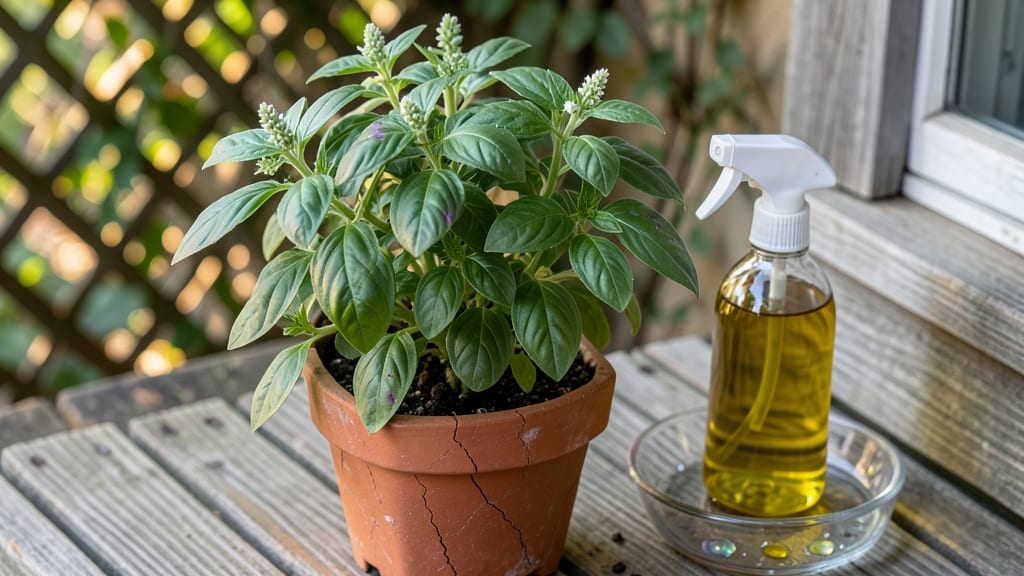
What kills grasshoppers but not bees while they feast on your garden? 🌱 There’s a bee-safe solution that works in hours—not days—without harming pollinators. I’ve tested the most effective sprays and natural methods, and the results speak for themselves: your plants stop getting skeletonized overnight.
The secret lies in targeted sprays like neem oil or insecticidal soap, which smother grasshoppers on contact but won’t harm bees. Even better, adding natural predators like parasitic wasps or birds to your garden creates a long-term defense.
You’ll see fewer hoppers within 24-48 hours, and your veggies will recover faster than you’d expect. What you’ll love most is how simple this is—no harsh chemicals, no waiting weeks for results.
The key is applying sprays early morning or late evening when bees aren’t active, and focusing on grasshopper hotspots like lawn edges and garden borders. Works for vegetable gardens, flower beds, and even patio containers—no matter how bad the infestation, this method keeps bees safe while protecting your plants.
Biological Differences at Play
Grasshoppers and bees may both buzz around your garden, but their biology is night and day—and that’s why some treatments wipe out one while sparing the other. Understanding these differences is key to targeting pests without harming pollinators. Let’s break down the science behind why certain solutions work selectively.
Grasshoppers and bees have completely different nervous systems, making them vulnerable to distinct toxins.
- Grasshoppers: Their exoskeletons and nerve receptors are highly sensitive to neurotoxic compounds like pyrethrins (derived from chrysanthemums) or spinosad. These disrupt their sodium channels, causing paralysis and death within hours.
- Bees: Their nervous systems are far more resilient to these compounds. Bees have evolved to resist many plant-based neurotoxins because they rely on them for food (e.g., nectar from chrysanthemums). Their faster metabolism also helps them process and excrete toxins more efficiently.
Pro Tip: 🌿 Botanical insecticides (like pyrethrin-based sprays) are bee-safe in low concentrations because bees can detoxify them—just avoid overspraying blooms during peak foraging hours (10 AM–4 PM).
Some "natural" pesticides are bee-friendly because pollinators have co-evolved with plants, while grasshoppers are accidental invaders with no such adaptations.
| Compound | Effect on Grasshoppers | Effect on Bees |
|---|---|---|
| Azadirachtin (Neem) | Disrupts molting and feeding (non-toxic but repellent) | Minimal harm; bees avoid treated plants but recover quickly |
| Kaolin Clay | Covers exoskeleton, causing dehydration and starvation | Harmless; bees groom it off or avoid coated surfaces |
| Garlic/Chili Sprays | Irritates respiratory system, leading to suffocation | Bees detect and avoid strong odors; no residual harm |
Why It Works: Grasshoppers lack the enzymatic pathways to metabolize these compounds, while bees’ proboscis (tongue) and wax production help them filter out irritants.
Timing and habitat preferences create natural vulnerabilities in grasshoppers that bees avoid.
- Feeding Habits:
- Grasshoppers chew leaves, making them exposed to contact insecticides (e.g., spinosad).
- Bees sip nectar, so systemic treatments (like soil-applied neem) rarely affect them.
- Activity Patterns:
- Grasshoppers are diurnal (active during the day) but less mobile in heat—ideal for early morning sprays (before 9 AM).
- Bees forage in daylight but can detour around treated areas if flowers are untouched.
Actionable Insight: 🕒 Apply treatments before bees wake up (6–8 AM) or after they’ve returned to the hive (late evening). This maximizes grasshopper exposure while minimizing bee contact.
Some solutions exploit physical traits that grasshoppers can’t escape—but bees can.
- Sticky Traps:
- Grasshoppers walk on surfaces and get trapped in adhesive.
- Bees fly above traps or avoid them due to visual cues (like bright colors).
- Diatomaceous Earth (DE):
- Grasshoppers’ soft exoskeletons get cut by DE’s microscopic silica particles, causing dehydration.
- Bees’ harder bodies and wax coatings protect them; they simply groom DE off their legs.
Safety Note: ⚠️ Use food-grade DE only in dry conditions—humidity nullifies its effectiveness. Sprinkle lightly on soil edges, not near hives or flowering plants.
Safe & Effective Grasshopper Control
If you're dealing with a grasshopper infestation but want to protect bees and other pollinators, the good news is that there are plenty of bee-safe, natural solutions that work fast without harming beneficial insects.
The key is targeting grasshoppers at the right life stages, using the right methods, and preventing future outbreaks. Here’s how to tackle the problem—safely and effectively—while keeping your garden thriving.
Grasshoppers lay eggs in soil, and stopping them early is the most effective and eco-friendly approach. Since these eggs hatch in spring, timing is everything.
- 🔥 Till or Aerate Soil in Late Fall or Early Spring Use a garden fork or tiller to break up the top 2-3 inches of soil where grasshopper eggs are buried. This exposes eggs to predators (like birds and beneficial nematodes) and dries them out, preventing hatching.
- Pro Tip: 💡 Do this when soil is slightly damp—dry soil cracks too much, while soggy soil won’t till well.
- 🍳 Use Diatomaceous Earth (Food-Grade Only) Sprinkle a thin layer of food-grade diatomaceous earth (DE) over garden beds and lawns in late winter or early spring. DE dehydrates grasshopper eggs without harming bees or plants.
- How to Apply: Lightly dust with a duster or sieve, avoiding thick layers (it can harm soil microbes). Reapply after rain.
- 👨🍳 Introduce Natural Predators Encourage grasshopper-eating allies in your yard:
- Birds: Install birdhouses or feeders for species like meadowlarks, sparrows, and robins.
- Spiders & Ground Beetles: Leave leaf litter and mulch in garden edges—they hunt grasshopper nymphs.
- Parasitic Wasps: Some wasp species lay eggs inside grasshopper eggs, killing them. Avoid broad-spectrum pesticides to keep populations healthy.
Once grasshoppers emerge as nymphs or adults, you’ll need targeted, bee-safe methods to reduce their numbers quickly.
- 🥘 Neem Oil Spray (Best for Young Nymphs) Neem oil is a natural insect growth regulator that disrupts grasshopper development and feeding. It’s harmless to bees when used correctly.
- How to Make It:
| Ingredient | Amount |
|---|---|
| 100% Cold-Pressed Neem Oil | 2 tbsp |
| Dish Soap (or Castile Soap) | 1 tsp |
| Water | 1 quart |
- Application: Spray directly on grasshoppers (early morning or late evening when bees are less active). Avoid flowering plants in bloom.
- ⏰ Hand-Picking (Works for Small Infestations) Grasshoppers are slow-moving when cool. Use a shop vac with a hose attachment or a bucket of soapy water to collect them.
- Best Time: Early morning when they’re sluggish from the cold.
- Pro Tip: ✨ Drop collected grasshoppers in a sealed bag with a few drops of mineral oil—they’ll suffocate quickly.
- 🌡️ Heat or Cold Traps (For Large Lawns)
- Heat Trap: Place a black plastic tarp over a wooden frame (1-2 feet off the ground) and weigh down the edges. Grasshoppers will climb onto it to warm up—shake them into a bucket of soapy water daily.
- Cold Trap: In cooler evenings, grasshoppers seek shelter. Use a large plastic bin with a light inside (they’re attracted to warmth). Check and dispose of them in the morning.
The best defense is a grasshopper-resistant garden. Use these strategies to make your yard less inviting:
- 📊 Plant Smart: Grasshoppers Hate These Avoid their favorite foods (grasses, alfalfa, clover) and opt for:
- Marigolds (repel pests with their scent)
- Basil, Mint, or Lavender (strong aromas deter grasshoppers)
- Native Wildflowers (attract predator insects like ladybugs and lacewings)
- 🌿 Maintain a Diverse Landscape Grasshoppers thrive in monoculture lawns. Break it up with:
- Ground Covers (creeping thyme, clover)
- Rock Gardens (they dislike crawling on rough surfaces)
- Water Features (they avoid moist areas)
- 🎯 Reduce Hiding Spots
- Keep grass short (2-3 inches)—taller grass gives them cover.
- Remove weeds and debris where they lay eggs.
- Use mulch sparingly in high-risk areas (grasshoppers hide in thick mulch).
With these bee-friendly, chemical-free methods, you can effectively control grasshoppers without risking your pollinator population. The key is acting early and combining prevention with targeted treatments. Your garden—and the bees—will thank you! 🐝🌿
Frequently asked questions
Why do some natural sprays kill grasshoppers but leave bees unharmed?
Grasshoppers lack the biological defenses bees have evolved. Bees can metabolize many plant-based compounds (like neem oil) through their specialized enzymes, while grasshoppers' softer exoskeletons make them vulnerable to desiccants (like diatomaceous earth) and respiratory irritants (garlic/chili sprays). The key difference is bees' faster detoxification and their ability to avoid treated surfaces.
Can I use pyrethrin sprays safely around bees?
Only in very low concentrations and with extreme caution. Pyrethrins are derived from chrysanthemums, which bees naturally encounter. However, direct overspray during peak foraging (10 AM–4 PM) can harm them. Always apply early morning or late evening when bees are less active, and avoid spraying blooming flowers.
How soon will I see results after applying neem oil?
Neem oil works within 24-48 hours for young nymphs, but may take 3-5 days for adults. The active compound (azadirachtin) disrupts their feeding and molting. For fastest results, reapply every 5-7 days during peak grasshopper activity (late spring to early fall). Combine with hand-picking for immediate impact.
Will diatomaceous earth harm my soil or other beneficial insects?
Food-grade DE is harmless to soil microbes when used correctly, but it can harm earthworms and soil-dwelling predators if applied too thickly. Use only a light dusting (like talcum powder) and avoid treating areas where earthworms are active. Beneficial insects like ladybugs and lacewings are unaffected as they groom DE off their bodies.
Are there any plants that repel grasshoppers while attracting bees?
Plant marigolds, basil, mint, or lavender—these deter grasshoppers with strong aromas while attracting bees with nectar. Other bee-friendly repellents include catnip, bee balm, and dill. The secret is creating a diverse garden that confuses grasshoppers while providing pollinators with abundant resources.