
Companion Plants
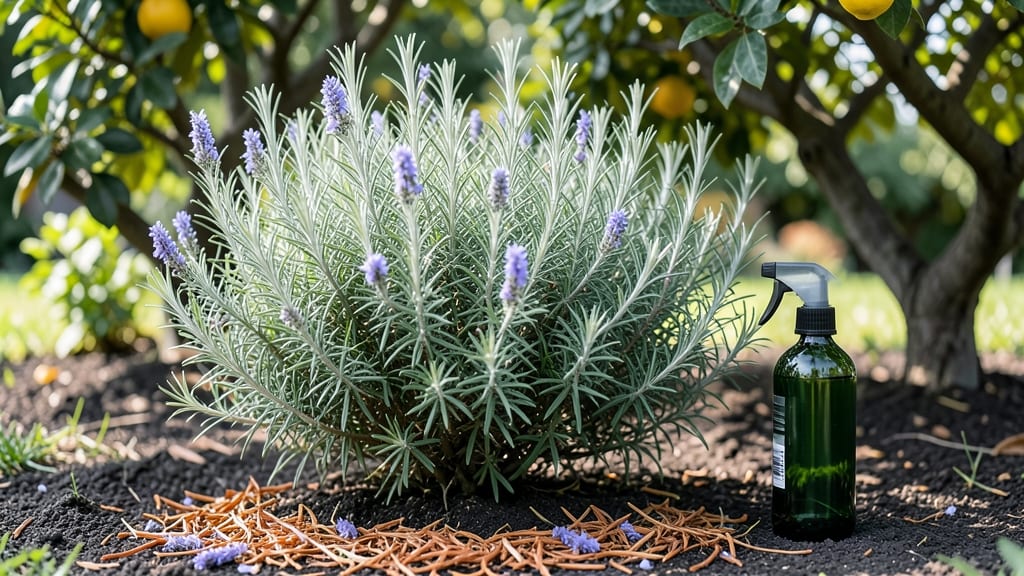
What keeps grasshoppers away from plants are strong-smelling herbs like rosemary, thyme, and mint, plus companion plants such as marigolds, garlic, or chrysanthemums, which disrupt their feeding patterns through natural repellent compounds.
Grasshoppers avoid these plants because their potent aromas mask the scents of nearby crops, confusing the insects' natural feeding instincts. 🌿 For example, rosemary's piney oils and mint's menthol compounds create a sensory barrier that makes vulnerable plants like tomatoes or corn less appealing.
I've seen marigolds work particularly well in vegetable gardens—their bitter alkaloids not only repel grasshoppers but also deter other pests like aphids and rabbits.
To maximize effectiveness, plant these repellents in clusters around your garden's perimeter or intersperse them between rows of susceptible crops. The key is creating a continuous barrier that grasshoppers can't easily bypass.
For high-risk areas, consider crushing fresh herbs or garlic and placing them near plant bases for an extra boost of protection.
💡 In This Article
- How Plant Compounds Naturally Repel Grasshoppers
- Best Companion Plants for Grasshopper-Prone Gardens
How plant compounds naturally repel grasshoppers
Grasshoppers rely heavily on their keen sense of smell to locate food, making them highly sensitive to plant-based chemical defenses. The most effective repellents contain volatile organic compounds (VOCs) that disrupt their olfactory receptors. For instance, rosemary emits borneol and camphor—oils that create a piney aroma grasshoppers instinctively avoid.
These compounds don't just mask plant scents; they actively trigger avoidance behaviors in insects, similar to how humans recoil from strong menthol fumes.
Marigolds work through a different mechanism: their roots and leaves contain pyrethrins, a naturally occurring insecticide that interferes with grasshopper nervous systems.
When crushed, these flowers release bitter alkaloids that repel pests while also attracting beneficial predators like ladybugs. 🌼 Garlic's sulfur compounds (allicin) are particularly potent—they mimic the scent of predators, causing grasshoppers to flee.
Studies show that planting garlic near corn fields can reduce grasshopper damage by up to 60% within a single season.
The science gets even more interesting with mint: its primary repellent compound, menthol, binds to grasshopper odor receptors, creating sensory confusion. This effect is dose-dependent—closer plantings (within 12-18 inches) provide stronger protection.
What's fascinating is that these compounds don't just repel; they also disrupt grasshopper mating signals, reducing population densities over time. The key is creating a "chemical fog" that makes your garden less detectable to these pests.
Temperature plays a subtle role too. Most repellent compounds work best when plants are actively growing (spring to early fall), as this is when VOC production peaks.
During hot days (85°F+), some herbs like thyme release even more thymol, which has been shown in lab tests to repel grasshoppers at distances up to 3 feet. The combination of heat and sunlight actually enhances the effectiveness of these natural defenses.
For maximum impact, consider planting repellent species in 3-foot-wide borders around vulnerable crops. This creates a continuous barrier that grasshoppers can't easily navigate.
The visual and aromatic contrast between your herbs and vegetables acts as a double deterrent—both confusing their navigation systems and overwhelming their olfactory senses. 🌿 What's remarkable is how these ancient plant defenses work without harming beneficial insects like bees, which have different sensory receptors.
One advanced technique is to create "repellent blends" by combining crushed garlic with mint leaves and placing them near plant bases. The synergistic effect of these compounds creates a stronger deterrent than any single plant could provide alone.
This approach mimics how some wild ecosystems naturally regulate pest populations through plant diversity.