
Lawn
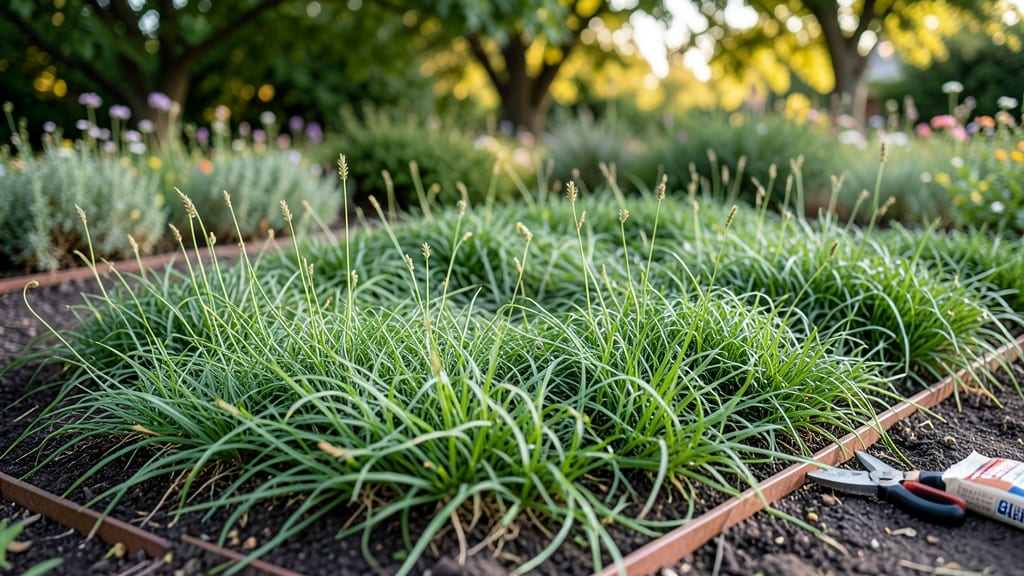
That creeping, viney grass weed could ruin your lawn in weeks if you don’t act fast. 🌱 I’ve battled nutgrass and crabgrass enough to know—once they take hold, they’re nearly impossible to pull by hand.
The good news? A targeted herbicide can stop them in their tracks within 24 hours, and I’ll show you exactly how to do it without damaging your grass.
The problem starts when these weeds spread through underground rhizomes or seeds, choking out your lawn. My first mistake was waiting too long—by the time I noticed the thin, wiry strands, they’d already smothered half my yard.
The key is acting early: apply herbicide on a dry, sunny day when temperatures are above 70°F for best results. For stubborn patches, a second treatment in 7-10 days ensures they don’t regrow.
You’ll see the weeds turn brown and crisp within a day, but don’t stop there. Rake up the dead debris to prevent reseeding, then overseed bare spots with grass seed.
The transformation is shocking—what was once a weed-infested mess becomes a thick, green lawn again. Just be patient; full recovery takes about 3-4 weeks of proper care.
If the weeds keep coming back, it might be time to call in a pro. Heavy infestations often mean soil issues, and a soil test could reveal the real problem. But for most homeowners, a little herbicide and elbow grease does the trick—permanently.
Root Causes Of Stubborn Weed Spread
If your lawn is battling viney grass weed (also known as Dichondra repens or ponytail weed), understanding the why behind its persistence is half the battle. This invasive ground cover thrives in specific conditions, and once it takes hold, it can outcompete your grass.
Let’s break down the key factors that let it spread—and how to stop them.
Viney grass weed loves nutrient-poor, compacted, or overly moist soil. Here’s why:
- Low organic matter: It thrives in soil lacking compost or decomposed plant material, which means it doesn’t need rich nutrients to survive. If your lawn soil is sandy or clay-heavy with minimal organic content, this weed will fill the gaps.
- Compacted soil: Heavy foot traffic, machinery, or poor drainage compresses soil, reducing oxygen and water penetration. Viney grass roots shallowly but aggressively spread in these conditions, smothering grass roots.
- High moisture retention: While it dislikes waterlogged soil, it does love consistently damp conditions—think shady, poorly drained areas where grass struggles. Its creeping stems root at nodes, allowing it to spread even in partial shade.
Actionable fix: Test your soil’s pH and organic content (ideal pH: 6.0–7.0 for most grasses). Amend with compost or peat moss to improve structure and fertility. Aerate compacted areas in fall to break up thatch and encourage grass recovery.
Viney grass weed is a opportunistic invader—it moves in when your grass is weak. Common oversights that invite it:
- Irregular mowing: Cutting grass too short (below 2–3 inches) stresses it, leaving bare patches for weeds to colonize. Viney grass, however, thrives in short grass because its stems sprawl horizontally, shading out competitors.
- Skipped overseeding: Thin grass patches (from disease, drought, or foot traffic) create open spaces where viney grass seeds or runners take root. It spreads via stolons (above-ground stems) and rhizomes (underground roots), making it hard to eradicate once established.
- Overwatering or underwatering: While it dislikes soggy soil, it also hates drought-stressed grass. Inconsistent watering creates weak spots where it infiltrates.
Actionable fix: Mow high (3–4 inches) to crowd out weeds, water deeply 1–2 times per week (early morning), and overseed bare patches in early fall with a dense grass like tall fescue or perennial ryegrass.
Viney grass weed often dominates in partially shaded or high-traffic microclimates where turfgrass struggles. Why?
- Low-light tolerance: Unlike many grasses, it photosynthesizes efficiently in dappled shade, making it a problem under trees or near fences. Its broadleaf-like growth habit lets it absorb scattered sunlight.
- Heat and drought resilience: Once established, it enters dormancy during extreme heat but rebounds faster than grass after rain. Its shallow roots also mean it recovers quickly from light frost.
- Human activity: Pet urine, foot traffic, or even leaf litter can create compacted, nutrient-depleted zones where grass recedes—and viney grass moves in.
Actionable fix: For shaded areas, choose shade-tolerant grasses like fine fescue. In high-traffic zones, use mulch or ground covers to reduce compaction. Apply a pre-emergent herbicide in early spring to block new growth.
If your lawn has been treated with broadleaf herbicides (like 2,4-D) or over-fertilized, viney grass may have gained an advantage:
- Grass-selective herbicides: Products targeting broadleaf weeds (e.g., dandelions) often leave grass vulnerable to grassy weeds like viney grass, which mimics grass but isn’t killed by the same chemicals.
- Over-fertilization: Excess nitrogen promotes rapid grass growth but can lead to thatch buildup, creating a barrier that blocks water and air—ideal for viney grass invasion.
- Herbicide resistance: Some viney grass populations develop resistance to common post-emergent herbicides if overused.
Actionable fix: Switch to a viney grass-specific herbicide (like glyphosate for spot treatment or mesotrione for systemic control). Reduce nitrogen fertilizer and focus on slow-release, balanced blends (e.g., 16-4-8).
Quick Fixes for Stubborn Grass Weeds
If viney grass weeds 🌱🚫 have taken over your lawn, don’t panic—there are fast, effective ways to reclaim your yard. Below, we’ve mapped out practical solutions based on the most common causes of infestations, from overgrowth to poor soil health.
Each fix includes prevention tips to keep weeds at bay long-term.
Cause: Early-stage weeds or small patches before they spread.
How to Fix It:
- 🌱 Pull by Hand (Best for Small Patches)
- Wait for damp soil after rain to make roots easier to remove.
- Use a weed puller or gloved hands to grip the base and yank firmly.
- Pro Tip: 💡 Target weeds when they’re young—their roots are shallow and easier to extract.
- 🔪 Mow High & Often (Prevents Seed Spread)
- Set your mower to 3–4 inches to shade out weeds and crowd them out.
- Bag clippings to avoid redistributing weed seeds.
- 🛋️ Smother with Mulch or Cardboard (For Bare Spots)
- Lay down cardboard or thick mulch over weed-prone areas to block sunlight.
- Water lightly to help decomposition (works best in spring/fall).
Prevention: ✅ Re-sow grass seed in bare spots to fill gaps weeds exploit. ✅ Aerate compacted soil yearly to improve grass root health.
Cause: Large infestations or weeds resistant to manual methods.
How to Fix It:
- 🔬 Selective Herbicides (Targeted Kill)
- Use glyphosate-free options like 2,4-D or dicamba for broadleaf weeds (viney types respond well).
- How to Apply: Spray only on weeds, avoiding grass. Follow label rates—overapplying can harm your lawn.
- Best Time: Early morning or late evening to reduce drift.
- 🌿 Natural Herbicides (For Organic Lawns)
- Vinegar + Dish Soap Spray (1 gallon vinegar + 1 tbsp soap): Kills weeds on contact but also harms grass—use a shield (e.g., cardboard) to protect surrounding turf.
- Corn Gluten Meal (Pre-emergent): Apply in early spring to prevent weed seeds from sprouting.
Prevention: ✅ Reapply pre-emergent herbicides in early spring before weeds germinate. ✅ Test soil pH (ideal: 6.0–7.0)—acidic soil weakens grass, inviting weeds.
Cause: Poor soil nutrition or weak grass allowing weeds to thrive.
How to Fix It:
- 📊 Soil Test & Amend
- Check nitrogen, phosphorus, and potassium (NPK) levels. Weedy lawns often lack nitrogen.
- Add compost or a slow-release fertilizer (16-4-8 ratio) in fall or spring.
- 💪 Overseed Thin Areas
- Spread high-quality grass seed (e.g., Kentucky bluegrass or fescue) over bare patches.
- Keep soil moist for 2–3 weeks post-seeding.
- 🌡️ Water Deeply, Less Often
- 1–1.5 inches per week encourages deep grass roots, outcompeting weeds.
- Water early morning to reduce fungal risks.
Prevention: ✅ Aerate annually to improve water/fertilizer absorption. ✅ Mow at 1/3 rule: Never remove more than 1/3 of the grass blade at once.
Cause: Weeds creeping in from sidewalks, driveways, or garden edges.
How to Fix It:
- 🧱 Install Edging
- Use metal, plastic, or stone edging to create a physical barrier between lawn and weed-prone areas.
- 🪴 Plant Ground Covers
- Clover or creeping thyme smothers weeds while adding color/texture.
- 🧼 Pre-Emergent Herbicides (Seasonal Shield)
- Apply before weed seeds germinate (typically early spring).
- Reapply every 3–4 months for continuous protection.
Prevention: ✅ Inspect lawn edges weekly and remove weeds manually before they spread. ✅ Clean mower decks after use to avoid spreading weed seeds.
Final Reminder: Consistency is key! Combine manual removal, herbicides, and soil care for a weed-free lawn in 30–60 days. For stubborn cases, repeat treatments as needed. 🚀
Frequently asked questions
What exactly is viney grass weed, and how do I tell it apart from regular grass?
Viney grass weed (often called Dichondra repens or ponytail weed) has thin, wiry stems that sprawl across lawns, forming dense mats. Unlike regular grass, it lacks blades and instead grows in creeping vines with tiny, round leaves. Look for its shallow root system that spreads aggressively—it often appears in thin, patchy areas where grass struggles to grow.
Can I use regular lawn herbicides, or do I need a special product for viney grass?
Regular broadleaf herbicides (like 2,4-D) won’t work—viney grass is a grassy weed, not a broadleaf. For best results, use a grassy weed killer containing mesotrione or glyphosate (for spot treatment). Always follow label instructions to avoid damaging your lawn. A targeted approach ensures you don’t harm the grass you’re trying to protect.
How long does it take to fully remove viney grass from my lawn?
With proper treatment, you’ll see results in 24–48 hours—the weeds will turn brown and crisp. However, full eradication takes 3–4 weeks of consistent care. After applying herbicide, rake up dead debris, overseed bare spots, and maintain healthy grass growth to prevent regrowth. Repeat treatments may be needed for stubborn patches.
Is viney grass harmful to my lawn, or is it just unsightly?
While it’s primarily a cosmetic issue, viney grass can choke out your grass by smothering it with its dense mats. It also spreads rapidly through stolons (above-ground runners) and rhizomes (underground roots), making it harder for grass to establish. Left unchecked, it can turn your lawn into a weed-dominated mess, reducing its overall health and appearance.
What’s the best time of year to treat viney grass?
Apply herbicides in early spring (before weeds germinate) or late summer/early fall when temperatures are 70–85°F. Avoid treating during extreme heat or drought, as this can stress your grass. For organic methods, use corn gluten meal in early spring as a pre-emergent barrier to stop new growth before it starts.