
Lawn
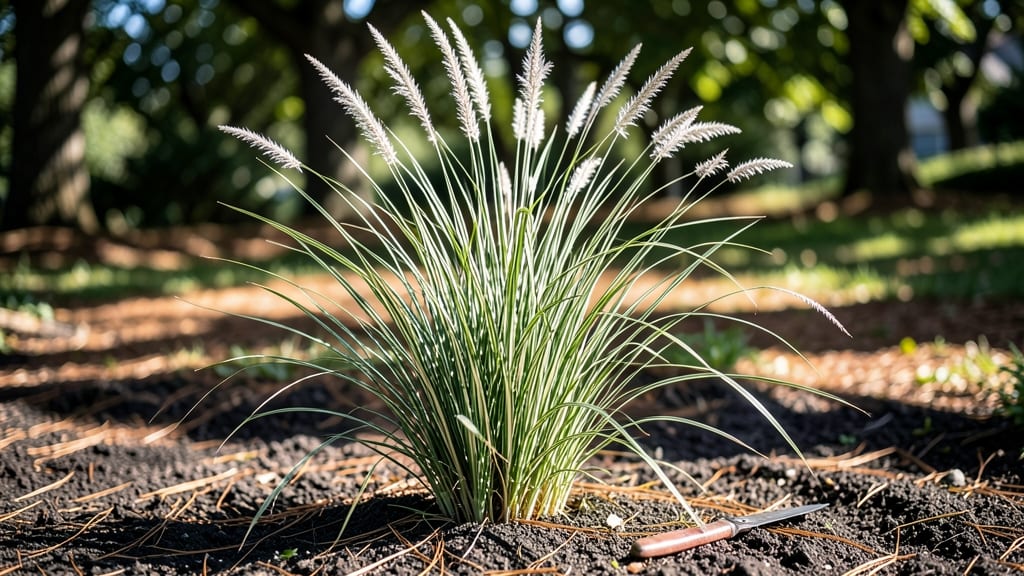
That tall variegated grass like Miscanthus sinensis 'Zebrinus' transforms landscapes into living art—its bold stripes and feather-light plumes adding drama that outshines ordinary greenery. Unlike fussy annuals, these grasses thrive year-round with minimal fuss—just the right spot and a little seasonal care.
Start with three to five plants for visual impact, spacing them 2-3 feet apart for that airy, natural look. Pair them with deep purples like Heuchera or silvery foliage like Artemisia to make the variegation pop. In winter, their dried seed heads add unexpected texture when everything else goes dormant.
You’ll love how they sway in the breeze, catching light at every angle. Maintenance is simple: cut back in late winter before new growth appears, and water only during dry spells. These grasses handle heat, drought, and even urban pollution better than most plants.
Perfect for modern gardens, cottage-style borders, or even as dramatic container specimens. Their versatility means they work in sun or shade, though full sun brings out the boldest colors. Once established, they’re nearly indestructible—ideal for busy gardeners who still want high-impact results.
📚 In This Guide
- What you need
- Instructions
- Tips and common mistakes
- Wrapping up and next steps
What you need
- ● Tall variegated grass plants: 5–10 mature plants (or seeds) per square foot, depending on desired density. Look for varieties like Miscanthus sinensis 'Zebrinus' or Pennisetum 'Hameln'.
- ● Well-draining soil: 1–2 cubic yards of amended soil (mix garden soil with perlite or coarse sand for aeration).
- ● Organic compost: 1–2 bags (for enriching soil and improving moisture retention).
- ○ Mulch (optional but recommended): 1–2 bags of shredded bark or wood chips to retain moisture and suppress weeds.
- ● Garden trowel or spade: For digging holes (6–8 inches deep).
- ● Garden fork or aerator: To loosen compacted soil before planting.
- ● Measuring tape or ruler: To space plants 12–24 inches apart (check variety spacing guidelines).
- ● Watering can or hose with nozzle: For gentle, deep watering (avoid over-saturating roots).
- ● Pruning shears: For trimming dead foliage or shaping plants as needed.
- ● Gloves & knee pads: For comfort during planting and maintenance.
- ● Sunlight: Full sun to partial shade (6+ hours of direct sunlight daily for best variegation).
- ● Water source: Easy access to water for the first 2–3 weeks post-planting.
- ● Weather check: Plant in spring or early fall to avoid extreme heat or frost.
- ● Neighbor approval (if applicable): Tall grasses can grow 6–10 feet—ensure they won’t block views or overpower nearby structures!
How to create a striking tall variegated grass landscape feature
This bold design transforms any space with architectural height and seasonal color shifts.
Select and Prepare Planting Sites
Choose 4 clumps of tall variegated ornamental grasses (like Miscanthus sinensis 'Zebrinus' or Pennisetum 'Hameln') for dramatic impact. These varieties reach 6-10 feet tall and thrive in full sun to partial shade, though their golden stripes intensify with more sunlight. Test your site's moisture—variegated grasses prefer well-draining soil but tolerate occasional dry spells once established.
Mark planting locations 12-18 inches apart in a loose cluster formation. This spacing allows each plant to develop its full height without competing for nutrients. For a wind-resistant design, stagger plants in a slightly diagonal pattern rather than a straight line. Avoid planting near structures where branches might brush against them during storms.
Amend Soil for Optimal Growth
Dig a hole twice as wide as the root ball but only as deep as the container. This prevents burying the crown, which causes rot. Mix 2 parts native soil with 1 part compost and 1 part perlite to improve drainage. Variegated grasses often struggle in heavy clay, so this amendment is critical for maintaining their signature striped foliage.
Gently remove the grass from its container and loosen the roots if they're circling. Place the plant in the hole so the top of the root ball sits 1 inch below soil level. The reason for this slight burial is to stabilize the plant against wind while allowing the crown to stay dry and healthy. Backfill with your amended mix, pressing lightly to eliminate air pockets.
Establish Watering Routine for First Season
Water deeply once a week during the first growing season to encourage deep root development. You'll know you've watered enough when 2-3 inches of soil feel moist at the root level. Overwatering is the fastest way to kill these grasses—their variegated leaves are particularly sensitive to fungal issues from excess moisture.
After the first year, reduce watering to every 2-3 weeks unless your region experiences prolonged drought. Variegated grasses are drought-tolerant once established, but their striking stripes may fade under extreme water stress. Mulch with 2-3 inches of shredded bark around each plant to retain moisture and suppress weeds without smothering the crown.
Prune for Seasonal Interest and Health
Cut back dead or damaged foliage in early spring before new growth appears. Use clean, sharp pruners to make cuts 2-3 inches above the ground, which encourages fresh, vibrant shoots. The variegated stripes are most vibrant on new growth, so this annual pruning maintains their dramatic effect throughout the season.
In late winter or early spring, you can also perform a hard prune—cutting all stems back to the ground. This creates a clean, minimalist look while stimulating fresh growth. Just be sure to do this before the first signs of new shoots appear, typically in late February to early March in most climates.
Maintain Year-Round with Minimal Effort
Variegated grasses require no fertilization once established, but you can apply a balanced, slow-release fertilizer in early spring if your soil is particularly poor. The key is to avoid high-nitrogen formulas, which promote leafy growth at the expense of those prized stripes. Instead, opt for a 5-5-5 or 10-10-10 blend applied at half strength.
Monitor for pests like Japanese beetles or spider mites, which may target the tender new growth. A strong spray of water usually dislodges them, but for severe infestations, use neem oil as a natural deterrent. The good news is that these grasses rarely suffer from diseases—proper spacing and good airflow keep them healthy year after year.
Tips & tricks for stunning variegated grass landscapes
These landscape design secrets will help you create a showstopping display that thrives year after year.
Plant Placement Strategy: When arranging your four clumps in Step 1, consider creating a subtle height gradient. Place the tallest varieties at the back of your cluster and gradually decrease height toward the front. This creates visual depth while maintaining the dramatic vertical impact. The 12-18 inch spacing mentioned is perfect for this arrangement—just remember to stagger them diagonally for that natural, wind-resistant look that prevents them from toppling in storms. The golden stripes will cascade beautifully when viewed from different angles.
Soil Amendment Insight: In Step 2, don't overlook the importance of that perlite addition when amending your soil mix. While compost improves fertility, perlite's job is to prevent compaction—critical for maintaining those signature variegated stripes. If your native soil is particularly dense, consider adding an extra ½ part perlite to the mix. The slight burial of the crown (1 inch below soil level) might seem counterintuitive, but it actually helps prevent rot while keeping the plant stable in windy conditions.
Watering Wisdom: The once-weekly watering in Step 3 should be done during early morning hours to minimize evaporation and fungal risks. Use a rain gauge or trowel to check that 2-3 inches of soil remain moist—this is your best indicator, not the calendar. After establishment, those 2-3 week intervals between waterings can stretch to 4 weeks in truly drought-tolerant varieties, but you'll notice the stripes may lose some vibrancy if pushed too far. The mulch layer acts as both a moisture reservoir and weed barrier, so don't skimp on those 2-3 inches of shredded bark.
Pruning Precision: When performing that early spring prune in Step 4, make your cuts at a 45-degree angle just above a node or bud. This encourages bushier growth while maintaining the plant's structural integrity. For hard pruning in late winter, time it precisely—you want to cut back just as the first hints of green appear at the base. This typically falls in that late February to early March window, but if you're in a warmer climate, wait until March. The new growth that emerges will have the most vibrant variegation, creating that dramatic seasonal transformation.
Pro Tips for Tall Variegated Grass
- These landscape design secrets will help you create a showstopping display that thrives year after year.
- Plant Placement Strategy: When arranging your four clumps in Step 1, consider creating a subtle height gradient.
- Soil Amendment Insight: In Step 2, don't overlook the importance of that perlite addition when amending your soil mix.
Frequently asked questions
Got questions about adding tall variegated grass to your landscape? You’re not alone! Here are some of the most common queries—plus quick, actionable answers to help you nail that lush, dramatic look year-round.
What’s the best time of year to plant tall variegated grass?
For optimal success, plant in early spring or early fall when soil is warm but not scorching. This gives roots time to establish before extreme heat or cold. Avoid planting in peak summer—drought stress can stunt growth. Pro tip: If you’re in a mild climate, late winter (just before last frost) works too!
How much water does tall variegated grass need?
Newly planted grass needs 1–1.5 inches of water per week (including rain). Once established, it’s drought-tolerant but thrives with deep watering 2–3 times weekly during dry spells. Mulch lightly to retain moisture—this grass hates soggy roots but loves consistent hydration.
Should I mow tall variegated grass short or leave it long?
This grass is all about texture, so resist the urge to scalp it! Mow to 12–18 inches max to preserve its dramatic, wavy variegation. Use a sharp mower blade to avoid tearing leaves, and never mow when grass is wet—this can clog your equipment and stress the plant.
How do I keep pests and diseases away from my tall variegated grass?
This grass is naturally pest-resistant, but watch for grubs, aphids, or fungal spots in humid climates. Prevent issues by:
If you’re craving year-round texture and height, try these low-maintenance swaps:
If pests strike, use neem oil or insecticidal soap—chemicals can damage the grass’s delicate variegation.
What’s a good alternative if tall variegated grass isn’t available?
All thrive in similar conditions—just check your hardiness zone!
Wrapping up and next steps
Tall variegated grass isn’t just a trend—it’s a game-changer for adding movement, color, and year-round drama to your landscape. Whether you’re drawn to its easy-care charm or its bold visual impact, this plant proves that beauty and low-maintenance can go hand in hand. 🌿✨
Ready to transform your outdoor space? Start by sketching a simple design—mark where you’ll plant clumps or borders, then gather your supplies. Before you know it, you’ll be the envy of the neighborhood with lush, textured greenery that thrives with minimal fuss!