
Container Gardens
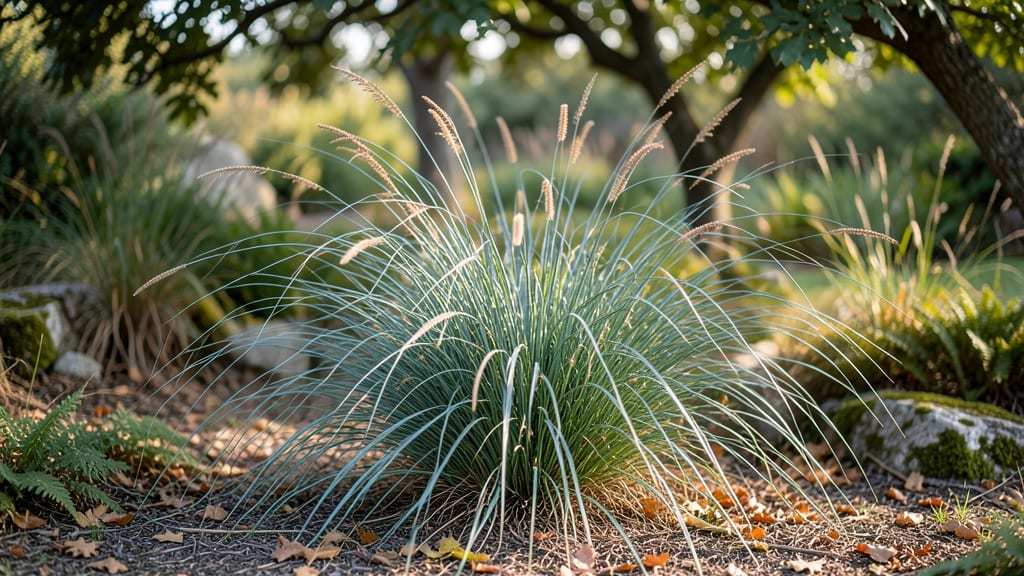
Sweetgrass grows best in USDA Hardiness Zones 5 through 9, where it thrives in moist, well-draining soil with partial shade in cooler areas or full sun exposure in warmer climates. This native North American plant prefers humid, temperate conditions but struggles in waterlogged or alkaline soils.
Understanding sweetgrass's ideal growing zones helps you create the perfect conditions for this hardy perennial. 🌱 In cooler northern regions like Zones 5-6, it benefits from morning sun and afternoon shade to prevent stress, while southern Zones 7-9 can handle full sun exposure.
The key difference lies in moisture retention—sweetgrass needs consistently damp soil but hates soggy roots, making raised beds or sandy loam ideal in humid climates. Native to eastern forests, it naturally thrives where summers are warm but not scorching, and winters stay above -15°F without prolonged freezing.
For container growing, choose larger pots with drainage holes to prevent root rot, especially in Zones 8-9 where summer heat increases evaporation. 💫 Many gardeners report the best results come from mimicking its natural woodland habitat—planting near ferns or hostas creates a microclimate that maintains ideal humidity levels while protecting from harsh afternoon sun.
💡 In This Article
- Sweetgrass Hardiness Zones Explained by Climate Needs
- Regional Sweetgrass Cultivation Guides by U.S. Growing Areas
Sweetgrass hardiness Zones explained by climate needs
Sweetgrass's adaptability across USDA Zones 5-9 comes from its native range spanning from Canada's southern forests to the southeastern United States.
The key difference between zones lies in winter survival: in Zone 5 (-20°F to -10°F), sweetgrass develops deeper root systems to insulate against frost, while Zone 9 (20°F to 30°F) varieties focus growth on leaf production during mild winters.
The plant's optimal temperature range for active growth is 60°F to 85°F, with photosynthesis slowing below 50°F and ceasing below 40°F. 🌿
Humidity plays a critical role in its hardiness - sweetgrass prefers 50-70% relative humidity, which explains why it struggles in arid Zone 9b regions unless provided with consistent moisture.
The plant's leaves contain silica deposits that reduce water loss, but this adaptation only works when ambient humidity stays above 40%. At higher altitudes (above 2,000 feet), sweetgrass grows more slowly due to reduced oxygen levels, requiring 10-15% more water than at sea level to compensate.
Microclimates matter too: north-facing slopes in Zone 6 provide natural shade that extends the growing season by 2-3 weeks compared to south-facing exposures.
Wild varieties show greater frost tolerance than cultivated strains, which have been bred for larger leaves and faster growth. The wild type can survive brief exposures to -25°F when dormant, while commercial cultivars typically max out at -15°F tolerance.
This difference explains why wild sweetgrass dominates in Zone 5's colder microclimates, while cultivated types thrive in Zone 8's milder winters.
The plant's growth rate also varies by zone: in Zone 7, it reaches maturity in 2-3 years, while Zone 5 plants may take 4 years to establish fully. 💧
Soil chemistry creates another critical divide between zones. In Zones 5-6, sweetgrass tolerates slightly acidic soils (pH 5.5-6.5) due to the region's natural forest litter, while Zones 7-9 varieties prefer pH 6.0-7.0 soils found in coastal plains.
The plant's roots contain mycorrhizal fungi that help break down organic matter, explaining why it thrives in leaf-rich soils but struggles in sandy or clay-heavy substrates. In Zone 9, gardeners often need to amend soil with 20% compost to maintain fertility during the long growing season.
Seasonal light requirements create another zone-based distinction. Zone 5 plants benefit from 6-8 hours of morning sun to prevent leaf scorch, while Zone 9 varieties can handle full sun exposure when given consistent moisture.
The plant's photoperiod sensitivity means it enters dormancy when daylight drops below 12 hours, which occurs earlier in northern zones. This biological clock explains why sweetgrass in Zone 6 stops growing by mid-October, while Zone 8 plants may continue until November. 🌱
Understanding these zone-specific requirements helps explain why sweetgrass cultivation has expanded beyond its native range. In Zone 7 gardens, the plant's ability to thrive in partial shade makes it ideal for understory plantings, while Zone 9 growers leverage its drought tolerance once established.
The key to success across all zones remains maintaining consistent moisture without waterlogging - a balance that becomes easier with proper soil preparation and mulching. 💫