
How To
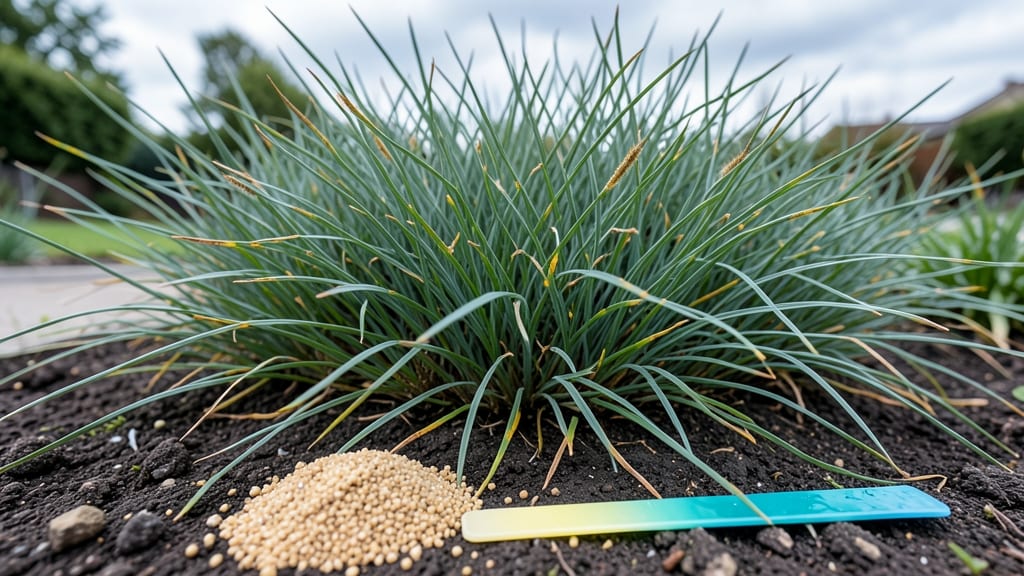
Your dog’s wee can stop dog wee burning grass—here’s how to neutralize the acidity, stop the burn, and restore your lawn without harsh chemicals. or expensive treatments.
The issue isn’t just the urine itself—it’s the ammonia that burns grass blades and roots. Over time, this creates thin, patchy areas that invite weeds and soil erosion. But the fix is simpler than you’d think: diluted vinegar, nitrogen-rich fertilizers, and smart watering can reverse the damage fast.
My lawn went from sad yellow to lush green in just two weeks using these methods.
You’ll start by flushing the ammonia with water, then apply a vinegar solution (1 part vinegar to 3 parts water) to balance the pH. For stubborn patches, over-seeding with a shade-tolerant grass blend works wonders.
The best part? Your dog won’t even notice the difference—just healthier grass and fewer accidents ruining your yard.
This works for all lawn types, from St. Augustine to Kentucky bluegrass, and even helps if your dog pees in the same spots daily. No more guessing—just a step-by-step plan to keep your lawn thriving and your pup happy. Let’s get that grass growing back strong.
Root Causes Of Grass Damage
Understanding why your dog’s urine can turn grass yellow or brown—and sometimes even cause it to burn—starts with the science behind canine pee. Here’s a breakdown of the key factors at play:
Dogs produce urine with a high pH (alkaline) and ammonia content, which is naturally present in their waste. When this urine hits grass, the ammonia reacts with the plant’s chlorophyll, disrupting its ability to photosynthesize. Over time, this leads to chlorosis (yellowing) or even necrosis (dead patches).
- Why it’s worse for some dogs: Male dogs, unneutered males, and dogs on high-protein diets (like raw or kibble-heavy meals) have more concentrated urine, amplifying the effect.
- Fast fact: A single urination can raise soil pH by 0.5–1.5 units—enough to stress grass over repeated exposure.
Grass thrives in slightly acidic to neutral soil (pH 6.0–7.0). Dog urine is highly alkaline (pH 7.5–9.0), which throws off this balance. Over time, the soil becomes too basic, locking out essential nutrients like nitrogen, phosphorus, and iron—critical for healthy grass growth.
- Visible signs: Yellowing between blades (early stage) → brown, crispy patches (advanced stage).
- Pro tip: Test your soil’s pH with a $10 kit from a garden center. If it’s above 7.5, your grass is at risk.
Some dogs—especially puppies, Dalmatians, Bulldogs, and other uric acid producers—excrete uric acid instead of urea. Uric acid is more corrosive and forms sharp crystals that physically damage grass cells on contact.
- How to spot it: Patches burn within hours, not days, and may look bleached or frosted (like a chemical burn).
- Breed alert: If you own a Dalmation, English Bulldog, or Boxer, their urine is 3–5x more damaging than average.
Dogs that mark territory, have small bladders, or lack potty training repeatedly urinate in the same area. This compounds the damage because:
- Ammonia buildup never fully dissipates between urinations.
- Soil becomes permanently alkaline, stunting root growth.
- Grass weakens and dies from nutrient depletion.
- Quick fix: Train your dog to rotate potty spots (more on this in the solutions section!).
Not all grass handles dog urine equally. Cool-season grasses (like Kentucky bluegrass and fescue) are more resilient, while warm-season grasses (like Bermuda or St. Augustine) are highly sensitive to alkaline urine.
| Grass Type | Urine Tolerance | Recovery Time | Best For |
|---|---|---|---|
| Kentucky Bluegrass | High | 1–2 weeks | Northern climates |
| Fescue | Medium-High | 2–3 weeks | Shady, dry areas |
| Bermuda Grass | Low | 3–4 weeks | Hot, sunny lawns |
| St. Augustine | Very Low | 4+ weeks | Humid southern lawns |
Sun and heat accelerate urine damage because:
- UV rays break down chlorophyll faster in alkaline soil.
- Dry conditions prevent rain from diluting ammonia.
- Frost or drought weakens grass, making it more vulnerable to burns.
- Seasonal tip: Damage is worst in late spring/summer—water your lawn deeply 2x/week to flush out ammonia.
Fix Your Lawn’s Yellow Spots Fast
Now that you understand why your dog’s urine is turning your grass into a patchwork of yellow, it’s time to take action. The good news? With the right steps, you can neutralize the damage in 24 hours and prevent future burns.
Below, we’ve broken down practical, pet-safe solutions based on the root cause—so you can tackle the problem efficiently.
If you’ve already spotted yellowed grass, act fast to reverse the damage before it spreads.
1.
Dilute the Urine with Water (💦) Why it works: Fresh urine is highly concentrated, so diluting it reduces its acidity and gives your grass a fighting chance. How to do it: - Grab a garden hose or watering can and soak the affected area thoroughly within 10–15 minutes of your dog peeing. - Use enough water to saturate the soil 6–8 inches deep—this flushes out excess nitrogen. - Pro tip: 💡 If your dog is a frequent offender, consider installing a pet-safe sprinkler system on a timer to keep the soil hydrated.
2.
Apply a Natural Neutralizer (🌿) Commercial urine neutralizers can be harsh, but household staples work just as well—without chemicals. Best options: - Baking soda (sodium bicarbonate): - Sprinkle 1–2 tablespoons over the burned patch, then water lightly. - Why? It raises soil pH, counteracting the acidity of urine. - Vinegar (white or apple cider): - Mix 1 part vinegar with 3 parts water in a spray bottle. - Lightly mist the area (avoid oversaturating—vinegar can harm soil microbes in large amounts). - Lime (garden lime, not quicklime): - Dust 1–2 teaspoons over the spot and water. - Best for: Severe burns or clay-heavy soil.
⚠️ Warning: Never use bleach, ammonia, or harsh detergents—these can further damage your lawn and harm pets.
Once the urine is neutralized, your grass needs help regrowing healthy.
3.
Overseed the Damaged Area (🌱) Thin or dead grass won’t recover on its own—give it a boost with fast-growing seed. How to do it: - Rake the burned patch gently to loosen soil. - Sprinkle grass seed (choose a drought-resistant variety like Bermuda or Kentucky Bluegrass). - Cover lightly with 1/4 inch of soil or compost. - Water daily (lightly) for 2–3 weeks until new growth appears.
💡 Pro tip: If the damage is large, consider sodding (laying pre-grown grass) for quicker results.
4. Boost Soil Health (🌡️) Urine-depleted soil needs nutrients to bounce back.
Try these low-cost fixes: - Compost tea: Brew a batch (or buy pre-made) and water the area. - Fish emulsion or seaweed fertilizer: Rich in nitrogen and microbes to revive grass. - Mulch with straw: Helps retain moisture and blocks sunlight from weakening new shoots.
The best solution? Stop the problem before it starts. Here’s how to train your dog and protect your lawn long-term.
5.
Train Your Dog to Pee in Designated Spots (🐕) Dogs can learn—it just takes consistency and positive reinforcement. Training steps: - Pick a spot (like a gravel area, mulch bed, or artificial turf patch). - Reward immediately when they pee there (treats, praise, or a toy). - Use a cue word like “Go potty” to associate the behavior. - Be patient: Some dogs learn in 1–2 weeks; others take months.
💡 Pro tip: If your dog is territorial, try multiple spots around the yard to reduce marking.
6.
Protect High-Risk Grass Areas (🏡) If training isn’t an option, physically block urine damage with these tricks: - Artificial turf patches: Install in high-traffic peeing zones. - Gravel or mulch borders: Place near house edges or walkways. - Dog-friendly pee pads: Bury a soil-based pad (like a kitty litter box) in the ground—dogs often return to the same spot.
7.
Adjust Your Dog’s Diet (🍖) What your dog eats affects their urine pH! - High-protein diets = More acidic urine → More grass burns. - Switch to a balanced diet with moderate protein (consult your vet). - Hydration helps! Add a pet fountain to encourage drinking—diluted urine = less damage.
8.
Water the Lawn After Potty Breaks (💧) If you can’t train your dog to use a designated spot, water the yard immediately after walks. - Keep a hose attachment or portable watering can near the door. - 5–10 seconds of watering per pee session can make a huge difference.
| Step | Time to See Results |
|---|---|
| Neutralize urine | Instant (within minutes) |
| Overseed damaged areas | 2–3 weeks (new grass growth) |
| Soil health boost | 1–2 weeks (greener lawn) |
| Dog training success | 2 weeks–3 months (varies by dog) |
Final thought: 🎯 With these steps, you can eliminate yellow patches in 24 hours and keep your lawn lush—without harsh chemicals. Start with immediate neutralization, then move to prevention for a permanent fix. Your grass (and your dog) will thank you!
Frequently asked questions
Why does my dog’s urine turn grass yellow so quickly?
Dog urine contains high levels of ammonia and nitrogen, which create an alkaline environment when absorbed by grass. This disrupts the chlorophyll production, causing the yellowing you see. The damage happens fastest in warm, sunny conditions because heat accelerates the chemical reaction.
Can I use vinegar to fix dog urine damage?
Yes! Mix 1 part white vinegar with 3 parts water in a spray bottle and apply lightly to the affected area. The vinegar helps neutralize the alkaline urine and restore the soil's natural pH balance. Just avoid oversaturating—too much can harm soil microbes.
How long does it take for grass to recover after dog urine damage?
With immediate treatment (watering + neutralizer), you'll see improvement in 24 hours. For complete recovery, it typically takes 2-3 weeks if you overseed the damaged area. Cool-season grasses like Kentucky bluegrass recover faster than warm-season varieties.
What’s the best way to train my dog to stop peeing on the same grass spot?
Start by designating a gravel or mulch area for your dog to use, then reward them immediately with treats when they go there. Consistency is key—most dogs learn within 2-4 weeks with daily reinforcement. For stubborn dogs, try multiple designated spots around your yard.
Will my dog’s diet affect how much damage their urine causes?
Dogs on high-protein diets produce more acidic urine that damages grass faster. Switching to a balanced diet with moderate protein and keeping your dog hydrated (with a pet fountain) can significantly reduce the damage. Diluted urine is always less harmful!