
Lawn
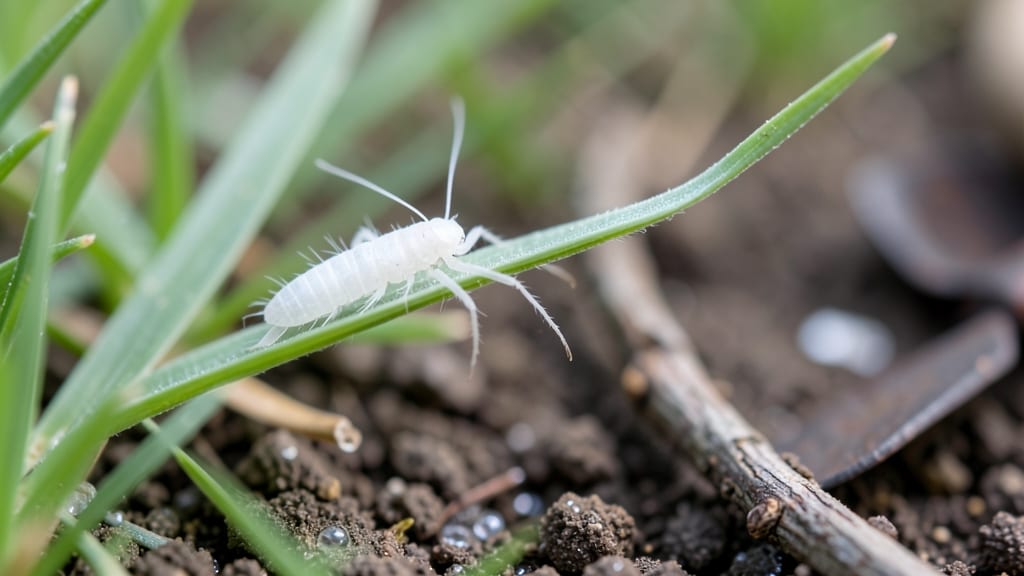
Those small white bugs in the grass hopping across your lawn aren’t just annoying—they’re likely fungus gnats, white grubs, or even fleas, and they’re silently damaging your lawn. 🌱 I've battled them in my own yard, and the key to stopping them starts with knowing exactly what you're dealing with before reaching for chemicals.
The worst part? Most people wait until their lawn looks like Swiss cheese before acting. These pests thrive in moist soil and grass clippings, so the first step is identifying their lifecycle—larvae cause the real damage, not the adults.
A quick soil check with a shovel can reveal their presence before they become a full-blown infestation. Once you know what you're up against, organic solutions like nematodes, diatomaceous earth, or simply reducing watering can make a huge difference.
My lawn went from patchy to lush within a month after I adjusted my watering schedule and added beneficial microbes to the soil. The best part? These methods work year-round and keep your lawn healthy without harming pets or kids. Let's get your grass back to its vibrant green self—naturally.
Common Causes of Grass Invaders
Those tiny white bugs scurrying through your grass aren’t just an annoyance—they’re often a sign of underlying conditions that make your lawn an all-you-can-eat buffet for pests. Understanding why they appear helps you address the root issue, not just the symptoms. Let’s break down the science behind their sudden arrival.
Moisture-loving pests like springtails and fungus gnats thrive in damp, waterlogged soil. Here’s why:
- Excessive irrigation: Overwatering keeps the topsoil saturated, creating a perfect breeding ground. These bugs don’t need standing water—they just need consistently moist conditions to lay eggs and multiply.
- Poor drainage: Clay-heavy or compacted soil traps water, turning your lawn into a swampy paradise for white bugs. Even light rain can leave pockets of stagnant moisture where pests hide.
- Morning dew: While dew is natural, thick layers can linger for hours, especially in shaded or low-lying areas, signaling to pests that your lawn is a high-risk zone.
💡 Pro Tip: Test your soil’s drainage by digging a 6-inch hole and filling it with water. If it drains slower than 4 hours, your lawn may be too soggy for comfort. Adjust your watering schedule to early morning (before 10 AM) and aim for 1 inch per week, including rainfall.
White bugs often flock to grass where fungi or decomposing organic material is present. Two key culprits:
- Thatch buildup: A layer of dead grass, roots, and debris (thatch) thicker than ½ inch traps moisture and blocks sunlight. This creates a dark, humid microclimate that attracts sow bugs (pill bugs) and white grubs.
- Fungal infections: Diseases like snow mold or dollar spot weaken grass blades, making them easier for pests to feed on. The fungi themselves can also serve as a food source for bugs.
- Mulch or leaf litter: Piles of organic matter (like fallen leaves or wood chips) near your lawn act as hiding spots and food sources for bugs like springtails.
🔥 Action Step: Rake up thick thatch layers in early spring or fall, and remove mulch or leaf debris at least 12 inches away from your lawn’s edge. For fungal issues, apply a copper-based fungicide or switch to drought-resistant grass varieties like tall fescue or zoysia.
Weak grass is like a neon “Eat Me” sign for pests. When your lawn lacks essential nutrients, it becomes easier for bugs to chew through and reproduce. Common triggers:
- Nitrogen deficiency: Pale or yellowing grass signals low nitrogen, which weakens cell walls. White grubs and chinch bugs target this vulnerable turf.
- Potassium or phosphorus imbalance: These nutrients strengthen roots and disease resistance. Without them, grass struggles to recover from pest damage, creating a cycle of infestation.
- Compacted soil: Heavy foot traffic or machinery compresses soil, reducing oxygen and nutrient uptake. Stressed grass becomes a magnet for sow bugs and springtails.
🌡️ Test Your Soil: Use a DIY soil test kit (available at garden centers) to check pH and nutrient levels. Aim for a pH of 6.0–7.0 and amend with:
- Slow-release nitrogen fertilizer (like milorganite)
- Compost or kelp meal for potassium
- Core aeration (rent a machine or hire a pro) to relieve compaction.
Sometimes, the pests are hitchhikers—or the result of well-meaning (but pest-friendly) lawn care. Check these habits:
- Over-fertilizing: Excessive synthetic fertilizers can harm beneficial microbes in the soil, creating an imbalance that favors pests like fungus gnats.
- Using untreated wood mulch: Some mulches (like cedar or untreated hardwood) contain compounds that attract sow bugs or repel beneficial insects, disrupting your lawn’s ecosystem.
- Ignoring pest debris: Leaving piles of grass clippings, leaves, or even pet waste near the lawn provides shelter and food for bugs.
- Lawn equipment sharing: Mowers, rakes, or aerators can transfer bug eggs or larvae from infested areas to yours.
✨ Prevention Tip: Switch to organic mulch (like pine straw or shredded leaves), clean equipment with soapy water between uses, and dispose of grass clippings in a sealed bin. If you suspect hitchhikers, treat equipment with rubbing alcohol to kill hidden pests.
By tackling these underlying causes, you’re not just chasing away the bugs—you’re making your lawn less appealing to them in the first place. Think of it as pest-proofing, not pest control.
How to Fix Tiny Grass Invaders
If you’ve spotted small white bugs hopping through your grass, don’t panic—there’s a solution! The key is identifying the culprit first, then targeting the fix with precision. Below, we’ll break down the best approaches for each common pest, from quick fixes to long-term prevention.
Flea beetles may be tiny, but they can wreak havoc on young grass. Here’s how to evict them for good:
- 🍳 Spray a Homemade Repellent Mix 1 gallon of water, 1 cup of white vinegar, and 1 tablespoon of dish soap. Spray this solution directly on the grass (avoid overwatering). The vinegar disrupts their feeding patterns, while the soap helps them dry out.
- 👨🍳 Apply Neem Oil Barrier Neem oil is a natural insecticide that flea beetles hate. Mix 2 tablespoons of neem oil with 1 quart of water and a drop of soap (to help it stick). Spray in the early morning or evening to avoid harming beneficial insects.
- ⏰ Time Your Watering Flea beetles love dry, stressed grass. Water deeply twice a week (early morning) to keep the lawn hydrated and less appealing.
💡 Pro Tip: Mulch around garden beds with straw or wood chips—it creates a barrier that deters beetles from jumping onto plants.
White grubs are lawn munchers, but they’re no match for these natural defenses:
- 🔪 Introduce Beneficial Nematodes These microscopic worms paralyze and kill grubs without chemicals. Apply them in early summer or fall (when grubs are young and vulnerable). Follow package instructions for best results—usually mixed with water and watered into the soil.
- 🌡️ Use Milky Spore for Long-Term Control Milky spore (Bacillus popilliae) is a natural bacteria that targets Japanese beetle grubs (a common culprit).
Sprinkle it on the lawn in early summer, then water it in. It takes 1-2 years to establish but provides decades of protection.
- 🎯 Aerate & Overseed Grubs thrive in compacted soil. Rent an aerator to poke holes in the lawn, then overseed with grub-resistant grass varieties like tall fescue or Kentucky bluegrass.
✨ Bonus: Encourage birds and toads—they love snacking on grubs! Leave some bare patches or add a small water feature to attract them.
These tiny white pests love damp grass but are easy to outsmart:
- 🌧️ Improve Drainage Springtails adore soggy lawns. Fix drainage issues by leveling low spots, installing French drains, or adding sand to heavy clay soil.
- 🕵️♂️ Set Up Simple Traps Place yellow sticky traps (common for fungus gnats) near problem areas. Springtails are attracted to the color and get stuck.
- 🔥 Dry Out the Lawn If your grass stays damp for days, reduce watering frequency and mow higher (3-4 inches) to promote airflow.
💡 Quick Fix: Sprinkle diatomaceous earth (food-grade) lightly over the lawn. It dehydrates springtails on contact—just reapply after rain.
No matter the invader, these habits keep your lawn bug-free and lush:
- 📊 Mow High & Leave Clippings Taller grass shades out weeds (which attract pests) and retains moisture. Bag clippings if grubs are a recurring issue.
- 💪 Fertilize Smartly Over-fertilizing attracts grubs and springtails. Use a slow-release, organic fertilizer in early fall for balanced growth.
- 🌱 Plant Pest-Resistant Grass Some varieties (like perennial ryegrass) are less appealing to white bugs. Check with your local extension office for regional recommendations.
- 🔍 Inspect Regularly Walk your lawn weekly in early morning (when pests are active). Look for chewed blades, tunnels, or tiny white specks—early detection = easier fixes.
Last Thought: Most of these pests are easy to manage with natural methods. Start with one solution (like neem oil for flea beetles or nematodes for grubs), monitor for 2-3 weeks, then adjust as needed. A healthy lawn is the best defense!
Frequently asked questions
Are those tiny white bugs in my grass harmful to pets?
Most common white grass pests—like springtails or fungus gnats—aren’t dangerous to pets. However, some larvae (such as white grubs) can cause stomach upset if ingested. Avoid chemical treatments around pets and opt for organic solutions like nematodes or diatomaceous earth (food-grade only). Always check with your vet before using new lawn treatments.
How do I tell if white grubs are the problem?
Look for these signs: patches of dead or dying grass that pull up easily (like carpet), mole or skunk activity (they love eating grubs), or tiny C-shaped larvae when you dig up sod. Grubs are usually ½-inch long and white with brown heads. Test for them by digging a 6-inch square of lawn—if you find more than 5-10 grubs, treatment is needed.
Will overwatering really make the problem worse?
Excess moisture creates the perfect breeding ground for moisture-loving pests like fungus gnats and springtails. Water deeply 2-3 times per week (early morning) instead of daily light sprinkles, and let the top inch of soil dry between waterings. This disrupts their lifecycle while keeping your lawn healthy.
Can I use vinegar to kill these white bugs?
White vinegar can help deter some pests (like flea beetles) but won’t eliminate established infestations. For best results, mix 1 cup vinegar + 1 gallon water + 1 tbsp dish soap and spray directly on bugs. However, vinegar won’t reach larvae underground or solve moisture issues—combine it with drainage fixes for lasting control.
Are there any natural predators that help control these bugs?
Yes! Birds, toads, and ground beetles eat many white grass pests naturally. Create a pest-friendly lawn by:
- Leaving some bare patches for hunting grounds
- Adding a small water feature to attract toads
- Avoiding broad-spectrum pesticides that harm beneficial insects Planting native wildflowers also supports predator populations.