
Lawn
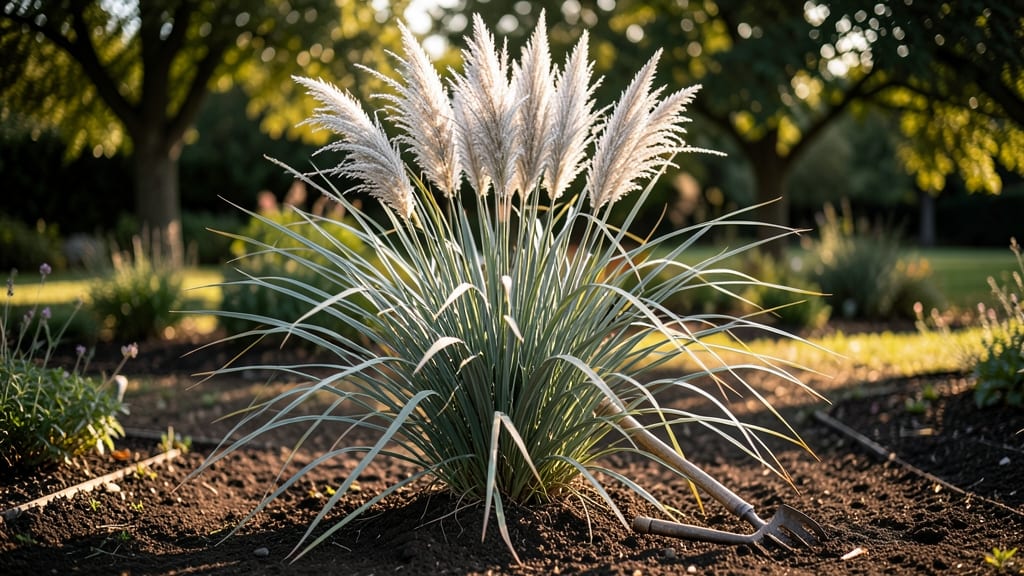
Short pampas grass turns any landscape into a breezy, textured masterpiece without the fuss. 🌿 I’ve grown both the towering varieties and the compact ‘Pumila,’ and the difference in maintenance is night-and-day—especially in drought-prone areas where water conservation matters.
The secret to keeping these plants manageable lies in the soil and spacing. Plant them in well-draining soil with plenty of room to spread (3-4 feet apart for ‘Pumila’), and you’ll avoid the wild, invasive look that scares people off.
They thrive in full sun but tolerate partial shade, making them versatile for borders, containers, or even as a dramatic focal point. Once established, they’re nearly indestructible—drought-tolerant, pest-resistant, and happy with minimal watering.
The key is pruning: cut back old foliage in late winter to encourage fresh growth, but leave some structure for winter interest. Your neighbors will ask how you keep it so tidy. Perfect for modern landscapes, pollinator gardens, or even small yards where space is limited. Let’s get yours growing!
📚 In This Guide
- What you need
- Instructions
- Tips and common mistakes
- Wrapping up and next steps
What you need
- ● Short pampas grass plants: 3–5 nursery-grown plants (spaced 3–5 feet apart for full effect).
- ● Well-draining soil: Mix 50% native soil with 50% coarse sand or perlite (1 cubic yard per 100 sq. ft.).
- ○ Compost: 2–3 gallons per plant to enrich soil (optional but recommended).
- ● Mulch: 2–3 inches of gravel or pine bark (helps retain moisture and deter weeds).
- ● Garden gloves (heavy-duty for handling sharp grass edges).
- ● Shovel & spade (for digging holes 12–18 inches deep).
- ● Pruners or hedge shears (for shaping and trimming).
- ● Watering can or hose with a gentle spray nozzle (drought-tolerant but needs initial hydration).
- ● Measuring tape (to ensure proper spacing).
- ● Slow-release fertilizer (balanced 10-10-10, 1–2 lbs per 100 sq. ft.).
- ● Drought-resistant companion plants (e.g., succulents or lavender).
- ● Stakes or supports (if planting in windy areas).
How to plant and maintain short pampas grass for stunning year-round appeal
This is the trouble-free way to add texture and movement to your landscape—no fuss, just beauty.
🌱 Step 1: Select the Perfect Planting Site and Soil
Short pampas grass (Cortaderia selloana 'Pumila') thrives in full sun with at least 6 hours of direct light daily. Choose a spot with well-draining soil—this plant despises soggy roots. If your soil is heavy clay, amend it with 2-3 inches of coarse sand or perlite mixed into the top 12 inches of soil before planting.
I like to test drainage by digging a 6-inch deep hole, filling it with water, and watching how quickly it drains. If water remains after 30 minutes, you need to improve drainage. Short pampas grass tolerates poor soil but grows most vigorously when planted in sandy loam with a pH between 6.0 and 7.5.
🪴 Step 2: Plant at the Right Depth and Spacing
Dig holes twice as wide as the root ball and no deeper—planting too deep suffocates the roots. For 4 plants, space them 3-4 feet apart in rows 4-5 feet apart to allow for full, airy growth. The root ball should sit just below soil level—never mound soil around the base, which can cause rot.
Gently remove the plant from its container and loosen any circling roots with your fingers. Place it in the hole, backfill with native soil, and firm lightly around the edges. Water deeply to settle the soil and eliminate air pockets. You'll see the first signs of establishment within 2-3 weeks as new growth emerges from the base.
☀️ Step 3: Water Deeply but Infrequently
Short pampas grass is drought-tolerant once established, but newly planted specimens need deep watering every 7-10 days during the first growing season. Water at the base, avoiding the foliage to prevent fungal diseases. Aim for 1-1.5 gallons per plant each time—this encourages deep root growth rather than shallow, weak roots.
After the first year, reduce watering to once every 2-3 weeks unless your area experiences extreme drought. Overwatering is the fastest way to kill this plant—yellowing leaves signal either too much water or poor drainage. If leaves turn brown at the tips, you're likely overwatering; if they wilt in heat, it's a sign of underwatering.
✂️ Step 4: Prune for Shape and Health
Prune in late winter or early spring before new growth begins. Cut back the previous year's growth to 6-8 inches above the ground using clean, sharp pruners. This encourages fresh, vigorous growth and maintains a neat appearance. Wear gloves—those plumes pack a punch!
Remove any dead or damaged foliage throughout the year as needed. I also like to trim back any leggy stems that grow too far from the center to keep the plant compact. Short pampas grass rarely needs fertilizing, but if growth is slow, apply a balanced 10-10-10 fertilizer in early spring at half the recommended rate.
🌿 Step 5: Protect in Harsh Winters
Short pampas grass is hardy to USDA Zone 8, but younger plants may need winter protection in colder climates. Once temperatures drop below 20°F, wrap the crown with burlap or frost cloth and cover with 2-3 inches of mulch. This prevents frost heave and root damage. In Zone 7 or colder, you may need to cut back the plant to the ground in fall and cover it completely with mulch.
Remove winter protection in early spring as new shoots emerge. You'll notice fresh green growth within 3-4 weeks of warming temperatures. Avoid pruning until you see this new growth—cutting back too early removes the plant's energy reserves for the season.
Tips & tricks for perfect short pampas grass planting
Between us, these little details make all the difference when it comes to growing lush, thriving pampas grass that looks like it belongs in a high-end landscape design.
Soil Test First: Before you even dig that first hole, grab a soil test kit from your local garden center to confirm your pH is between 6.0 and 7.5. I've seen pampas grass struggle in soil that tested at 5.8 despite looking fine—it just wasn't reaching its full potential. If your soil is too acidic, mix in some lime before planting. For alkaline soil, work in peat moss to bring the pH down. This one simple test can save you from frustration later.
Root Ball Preparation: When you're loosening those circling roots in Step 2, take your time—don't just pull them apart. Instead, gently tease them outward with your fingers, creating a more natural root structure. I learned this the hard way after seeing several plants struggle with compacted roots. Think of it like giving your plant a spa treatment before its big move to the garden. The goal is to encourage those roots to spread outward rather than stay tightly bound.
Watering Secret: Those 1-1.5 gallons per plant during the first year might seem like a lot, but here's the thing: this plant needs deep watering to establish strong roots. I recommend using a garden hose with a gentle spray nozzle to deliver water slowly at the base. This prevents runoff and ensures the water penetrates deeply. If you're using a watering can, you'll likely need two full cans per plant—don't skimp on this step, especially during those first critical 7-10 days.
Pruning Timing: That late winter/early spring pruning window is more important than you might think. I've seen gardeners prune too early when the ground is still frozen, which stresses the plant. Wait until you see those first green shoots emerging—usually around the time your daffodils start pushing through the soil. Cutting back too soon removes the plant's energy reserves just when it needs them most for new growth. And remember, those 6-8 inches above ground level? That's your sweet spot for encouraging fresh, vigorous new shoots.
Pro Tips for Short Pampas Grass
- Between us, these little details make all the difference when it comes to growing lush, thriving pampas grass that looks like it belongs in a high-end landscape design.
- Soil Test First: Before you even dig that first hole, grab a soil test kit from your local garden center to confirm your pH is between 6.0 and 7.5.
- Root Ball Preparation: When you're loosening those circling roots in Step 2, take your time—don't just pull them apart.
Frequently asked questions
Got questions about short pampas grass? You’re not alone! Here are answers to the most common queries—whether you’re a first-time gardener or a seasoned landscaper looking to refine your approach.
Is short pampas grass really drought-resistant?
Short pampas grass (Cortaderia selloana ‘Pumila’ or similar cultivars) thrives in arid conditions once established. Its deep roots access water efficiently, making it ideal for water-wise gardens. Pro tip: Mulch around the base to retain moisture during extreme droughts, but avoid overwatering—it prefers dry soil!
How long does it take to grow?
Short pampas grass grows fast—expect noticeable growth within 3–6 months under ideal conditions (full sun, well-drained soil). Full maturity (3–5 feet tall) typically takes 1–2 years. Patience pays off: Young plants may look sparse but fill out quickly with proper care.
Can I grow it in containers or small spaces?
Yes! Short pampas grass adapts well to large containers (18+ inches wide) with drainage holes. Choose compact cultivars like ‘Rosy Visions’ for tighter spaces. Container hack: Use a lightweight, fast-draining mix (e.g., 60% potting soil, 30% perlite, 10% sand) to prevent root rot.
Why is my pampas grass turning brown?
Brown tips or fronds usually signal overwatering, underwatering, or cold damage. Check soil moisture—short pampas grass prefers dry spells. In winter, brown foliage is normal (it’s semi-evergreen), but revive it in spring by trimming dead fronds and fertilizing lightly. Avoid heavy pruning in late fall!
Are there non-invasive alternatives?
If you’re concerned about invasiveness (short pampas grass is less aggressive than tall varieties but can spread), try these low-maintenance, drought-tolerant swaps:
- Muhly grass (Muhlenbergia spp.) – Compact, clumping, and cold-hardy.
- Blue grama grass (Bouteloua gracilis) – Native, ultra-low water needs.
- Dwarf fountain grass (Pennisetum alopecuroides ‘Hameln’) – Ornamental and non-spreading.
Wrapping up and next steps
Short pampas grass is the perfect drought-resistant star for low-maintenance landscapes—adding texture, height, and effortless beauty with minimal care. Whether you're a busy homeowner or a nature lover, its resilience and striking appearance make it a game-changer for gardens, borders, or even containers. 🌿
Ready to transform your outdoor space? Start by choosing the right variety for your climate, then plant with confidence—your future self (and your plants!) will thank you. Jump back to our planting tips to get started today!