
Pruning
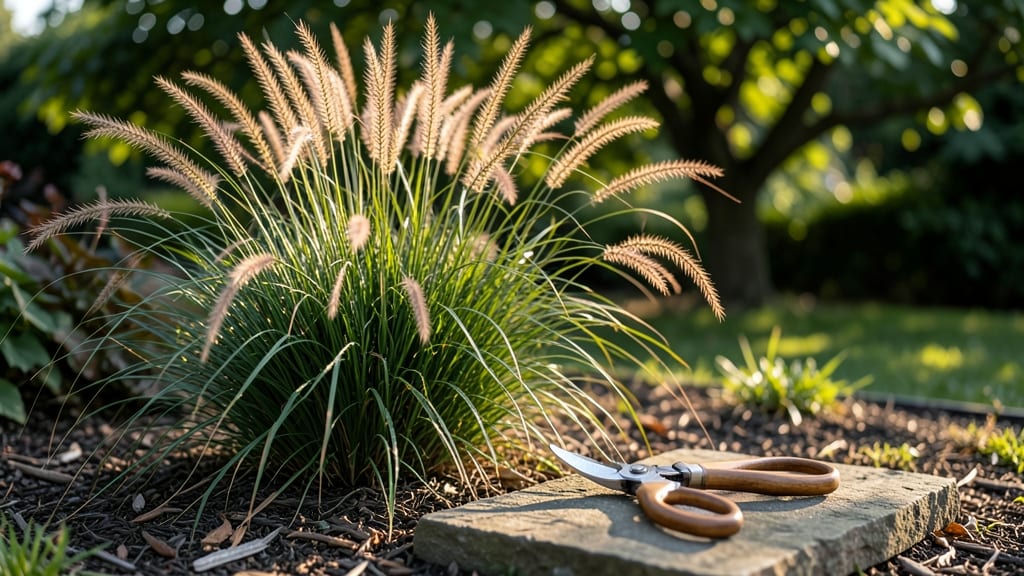
Cutting back fountain grass in late winter reveals the golden skeletons that make your garden look stunning year-round. ✨ I learned the hard way that timing matters—prune too early, and you risk frost damage; too late, and you stifle new growth.
The secret is waiting until new shoots appear (usually 2-3 weeks before last frost), then cutting back 2/3 of the height to encourage bushier regrowth.
You’ll need sharp pruners or a hedge trimmer, gloves (those leaves are sharp!), and a clear day to avoid wet grass. The goal isn’t to shear it flat—think of it like giving your fountain grass a haircut that shapes its natural form.
After pruning, the fresh green shoots will shoot up in 2-4 weeks, and by summer, it’ll be fuller than ever.
This method works for all fountain grasses, from Pennisetum ‘Little Bunny’ to towering Pennisetum ‘Hameln’. The golden plumes return every fall, but the real magic is how disease-resistant and low-maintenance these plants become once you master the cut.
No more struggling with overgrown clumps or weak growth—just structured beauty with minimal effort.
For warmer climates, you can prune in early spring instead, but always avoid cutting into old growth—it won’t regenerate. A quick tip: Leave the old plumes until new growth appears, as they provide winter interest. Now grab those shears and watch your fountain grass transform!
📚 In This Guide
- What you need
- Instructions
- Tips and common mistakes
- Wrapping up and next steps
What you need
- ● Pruning shears or hedge shears – Choose sharp, high-quality ones (e.g., Felco or Fiskars) with 4- to 6-inch blades for clean cuts.
- ● Heavy-duty gloves – Opt for gardening gloves with reinforced palms (e.g., 12-14 inches long) to protect against thorns and sharp blades.
- ○ Pruning saw (optional but helpful) – For thick, woody stems (e.g., 8-inch curved blade like the Fiskars X27).
- ● Loppers – Bypass-style (e.g., 20-24 inches long) for stubborn branches.
- ● Measuring tape or ruler – A 6-foot tape ensures uniform height adjustments.
- ● Garden kneeler or stool – For comfortable access, especially for tall clumps (e.g., foldable kneeler with seat).
- ● Water hose with spray nozzle – A 5-gallon-per-minute nozzle helps rinse debris and wet foliage for easier cutting.
- ● Trash bags (20-30 gallon) – For disposing of clippings (compostable bags preferred!).
- ● String or twine – Stretch between stakes to mark desired height lines for a guided cut.
- ● Hand pruners with crimping seal – Prevents disease spread (e.g., Felco F-2).
- ● Safety glasses – Protects eyes from flying debris.
- ● Disinfectant spray (70% isopropyl alcohol) – Sanitizes tools between cuts to avoid fungal transfer.
- ● Wheelbarrow or bucket – For hauling heavy clippings.
Step-by-Step guide to cutting back fountain grass for year-round shape
Here's how to maintain your fountain grass's dramatic form while keeping it healthy and vibrant.
🌿 Step 1: Time Your First Cut for Late Winter or Early Spring
Wait until late winter or early spring—just as new growth begins to emerge from the base. You'll spot tiny green shoots pushing through the old clumps, signaling the plant is waking up. This timing prevents cutting back into dormant tissue and ensures you don't remove all the energy reserves.
If you live in a mild climate, hold off until February or March when daytime temperatures consistently reach 50°F or higher. Cold snaps can stress newly cut plants, so avoid trimming when frost is in the forecast. I always check the weather for a 5-day warm stretch before grabbing my pruners.
✂️ Step 2: Cut Back to One-Third of the Plant's Original Height
Use sharp pruning shears or a clean hedge trimmer to cut the entire clump down to about one-third of its previous height. This dramatic reduction creates the signature fountain shape while allowing room for new growth. You'll notice the plant's natural arching habit becomes more pronounced as the season progresses.
Don't cut below 6 inches tall—this can damage the crown and leave the plant vulnerable to rot. If your fountain grass has grown particularly tall, you might need to make two cuts: first to remove the top third, then wait a few weeks before cutting the remaining two-thirds. This gradual approach prevents shock.
☀️ Step 3: Maintain Shape Throughout the Growing Season
Once new growth reaches 12-18 inches tall, begin light shaping to encourage that signature fountain form. Run your fingers through the clump to separate the plumes and create natural movement. I like to work from the outside in, gently spreading the outer fronds while leaving the center slightly denser.
For a more formal look, use a hedge trimmer to trim the outer edges to a slightly tapered shape, wider at the base and narrower at the top. Avoid cutting into the center—this disrupts the plant's natural growth pattern. Water thoroughly after shaping to help the grass recover from any minor stress.
⏰ Step 4: Prepare for Winter with a Light Trim in Late Fall
In November or December, when growth slows but before hard frost, give your fountain grass a light trim to remove any dead or brown foliage. Cut back only what's clearly dead—you'll see it as crispy, dry plumes that crumble easily. This prevents the plant from putting energy into maintaining dead material over winter.
Leave the rest of the foliage intact—it provides insulation for the crown and protects against temperature swings. If you notice any bare spots in the center, gently fluff the remaining growth to encourage density. I often leave my fountain grass untrimmed through winter, letting the natural seed heads add winter interest to the garden.
🌱 Step 5: Fertilize and Water After Major Cuts
Within 1-2 weeks of your late-winter/early-spring cut, apply a balanced fertilizer (10-10-10 or similar) to encourage vigorous new growth. Water deeply right after fertilizing to help the nutrients reach the roots. You'll see fresh green shoots emerging from the base within 3-4 weeks, signaling the plant is recovering well.
During the growing season, maintain consistent moisture—fountain grass prefers 1 inch of water weekly, either from rain or irrigation. Avoid overhead watering, which can cause fungal issues. Mulch around the base with 2-3 inches of organic mulch to retain moisture and regulate soil temperature, which helps the plant establish strong roots after heavy pruning.
Tips & tricks for perfect fountain grass pruning
These simple adjustments will help you maintain that stunning fountain shape while keeping your ornamental grass thriving year after year.
Timing is Everything: The late winter/early spring timing in Step 1 is critical because fountain grass stores energy in its lower stems during winter. Cutting too early removes these reserves, while waiting too long risks cutting into new growth that's already established. Look for those tiny green shoots emerging—this is your visual cue that the plant is ready. If you're in doubt, wait another week rather than cutting too soon. The 50°F daytime temperature threshold ensures the plant has enough metabolic activity to recover quickly from the pruning shock.
Equipment Matters: Sharp pruning shears or a clean hedge trimmer make all the difference in Step 2. Dull blades crush the stems rather than cleanly cutting them, which can damage the plant and create ragged edges. I recommend sterilizing your tools with rubbing alcohol before use to prevent spreading any fungal spores that might be lingering from last season's pruning. For particularly large clumps, consider renting a string trimmer for the initial heavy cut—just be careful not to get too aggressive with the outer edges.
Growth Pattern Insight: When maintaining shape in Step 3, remember that fountain grass grows from the base outward. The natural arching habit comes from this growth pattern, so when you're shaping, work with it rather than against it. If you notice the outer fronds starting to flop over by mid-summer, that's actually a sign of healthy growth—just give them a gentle lift and spread them back into position. The 12-18 inch height guideline for shaping is just a starting point; adjust based on your specific variety's natural growth habit.
Seasonal Care Strategy: The light fall trim in Step 4 serves two purposes: it removes dead material that could harbor pests over winter, and it creates a cleaner look for your garden. I've found that leaving some of the seed heads adds winter interest, but if you prefer a tidy appearance, remove only what's clearly dead. The key is to leave enough foliage to insulate the crown—think of it like giving your plant a warm blanket for winter.
Pro Tips for Cut Back Fountain Grass
- These simple adjustments will help you maintain that stunning fountain shape while keeping your ornamental grass thriving year after year.
- Timing is Everything: The late winter/early spring timing in Step 1 is critical because fountain grass stores energy in its lower stems during winter.
- Equipment Matters: Sharp pruning shears or a clean hedge trimmer make all the difference in Step 2.
Frequently asked questions
Got questions about keeping your cut back fountain grass looking sharp without losing its iconic height? We’ve got answers! Here are some of the most common concerns—plus practical tips to keep your grass thriving year-round.
When is the best time to cut back fountain grass?
For a clean, controlled look, trim fountain grass in late winter or early spring (just before new growth appears). Avoid cutting back in fall—this can expose tender stems to frost damage. If you’re pruning for shape mid-season, do it after flowering to maintain its natural form.
How short can I cut fountain grass without harming it?
Never cut more than 1/3 of the plant’s height at once. Fountain grass thrives when left tall, so aim to remove only dead or overgrown tips (about 6–12 inches max). Cutting too short can weaken the plant or prevent regrowth. Use sharp shears for clean cuts!
Can I shape fountain grass like a topiary?
Fountain grass is highly adaptable to shaping. Use a sharp pair of hedge shears or a string trimmer for clean lines. For a formal look, trim gradually over time (every 4–6 weeks in growing season). Just avoid cutting into the hard, woody base—this can kill the plant.
Will trimming fountain grass make it grow taller?
No—trimming won’t increase height, but it does encourage denser, bushier growth when done correctly. To maximize height, focus on removing only the top 1/3 and avoid shearing the lower stems. Over-trimming can actually stunt growth, so be gentle!
What should I do if my fountain grass looks brown and crispy after trimming?
Brown tips after pruning usually mean over-cutting or stress. If this happens, stop trimming immediately and water deeply. Brown patches may recover with time, but if the damage is severe, fertilize lightly and avoid further cuts until new growth appears. Mulch around the base to protect it from cold or heat.
Are there alternatives to fountain grass for low-maintenance height?
If fountain grass isn’t your style, consider muhly grass, pampas grass, or ornamental millet—all drought-tolerant and tall with minimal trimming needs. For a soft, flowing look, try maiden grass or feather reed grass. Just note: Some varieties (like pampas) can be invasive, so check local guidelines!
Wrapping up and next steps
Mastering the art of cutting back fountain grass keeps your landscape lush, structured, and thriving—without losing that signature height and movement. Whether you’re trimming for shape, health, or seasonal prep, the key is patience and precision.
With the right tools, timing, and techniques, you’ll enjoy a garden that stays elegant year-round while minimizing effort.
Ready to elevate your outdoor space? Grab your pruners and give it a try! Start small—pick one section to practice—then expand your skills. Your fountain grass (and your neighbors!) will thank you. 🌿✨