
Pests
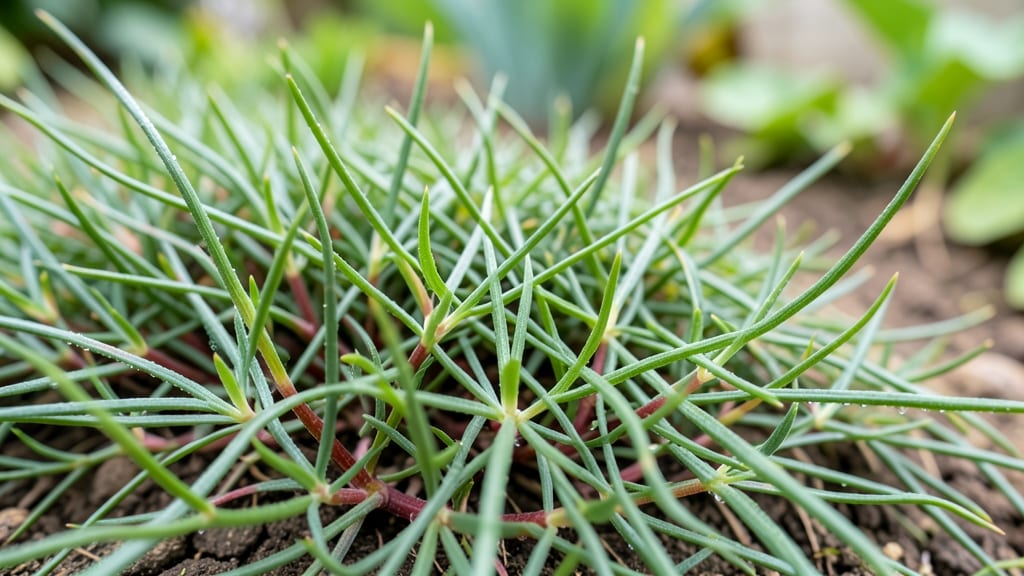
Rabbit grass weed spreads like wildfire in warm-season lawns, choking out your grass and leaving bare patches. 🌱 I’ve battled this stubborn invader for years—it looks like regular grass until you notice the thin, wiry blades and how it crowds out everything else.
The good news? Natural methods can kill it in days without harsh chemicals. Most people mistake rabbit grass for desirable turf because it’s green and grows fast. But its shallow roots and aggressive spread mean it competes with your lawn for water and nutrients.
The key to control is targeting the roots while protecting your grass. Vinegar, corn gluten meal, and proper mowing height are my go-to tools for a chemical-free approach. Within 3-5 days of treatment, you’ll see the rabbit grass yellow and die back, while your lawn stays green.
The secret is consistency—reapply treatments every 4-6 weeks during growing season to starve it out completely. For stubborn patches, a targeted herbicide might be necessary, but organic methods work for most cases. This works for both lawns and garden beds, though prevention is easier than cure.
Mow high, overseed bare spots, and keep your soil healthy to outcompete weeds naturally. Let’s get that lawn back under control!
How Invasive Grasses Take Over
If you’ve ever stared at a once-lush lawn now overrun by rabbit grass weed (or Digitaria sanguinalis), you’re not alone. This tenacious annual grass thrives in conditions that might seem harmless—or even ideal—for your yard.
But why does it spread so aggressively? The answer lies in its biology, your lawn’s weaknesses, and a few common (but avoidable) gardening habits. Let’s break down the science behind its takeover.
Rabbit grass weed is a prolific seed producer, capable of releasing thousands of seeds per plant in a single growing season. These seeds germinate quickly—often within 5–10 days of landing in moist, warm soil.
Unlike slow-growing turfgrass, rabbit grass shoots up fast, outcompeting slower neighbors before they can establish roots.
- Why it matters: A single mature plant can create a self-perpetuating cycle of invasion. Even if you mow it down, new seedlings pop up from seeds already scattered in the soil.
- Trigger conditions:
- Soil temps between 60–90°F (ideal for germination)
- Disturbed soil (from aeration, tilling, or foot traffic)
- Compacted or thin turfgrass (gaps let sunlight reach seeds)
- Actionable fix: Overseed bare spots with dense, competitive grasses like tall fescue or perennial ryegrass to block sunlight and choke out weeds.
Rabbit grass weed is a shallow-rooted opportunist, thriving in surface moisture—whether from rain, sprinklers, or even morning dew. Unlike deep-rooted lawn grasses, it doesn’t need much water to survive, making it resilient during droughts or irregular watering schedules.
- Why it matters: Overwatering or frequent light watering (e.g., daily sprinklers) creates the perfect environment for rabbit grass. It germinates faster in damp conditions and spreads via stolons (horizontal runners) that root at nodes.
- Trigger conditions:
- Overhead irrigation (water droplets spread seeds)
- Poor drainage (soggy spots become weed magnets)
- Drought stress in turfgrass (weakens competition)
- Actionable fix:
- Water deeply but infrequently (1–1.5 inches per week) to encourage deep turfgrass roots.
- Use drip irrigation instead of sprinklers to avoid seed dispersal.
- Improve soil drainage with sand or compost amendments.
Rabbit grass weed is a sun-seeker, germinating and flourishing in full sunlight. It exploits any weakness in your turf, whether from thin grass, bare patches, or heavy foot traffic. Even a small gap can become a launchpad for invasion.
- Why it matters: Healthy turfgrass forms a dense mat that blocks sunlight and smothers weeds. But if your lawn is underfed, over-shaded, or stressed, rabbit grass fills the void.
- Trigger conditions:
- Low mowing heights (below 2–3 inches weakens grass)
- Shady or poorly maintained areas
- Construction or soil disturbance (exposes buried seeds)
- Actionable fix:
- Mow at 3–4 inches to strengthen turfgrass.
- Apply pre-emergent herbicides in early spring (before seeds germinate).
- Reseed bare spots with shade-tolerant grasses if needed.
Rabbit grass weed doesn’t just grow—it travels. Its tiny, lightweight seeds hitch rides on wind, water, animals, and even lawn equipment. Once established, it spreads via stolons (horizontal stems) that root at every node, creating a network of new plants.
- Why it matters: A single seed can start a colony. If your lawnmower, shoes, or pets carry seeds from one area to another, the problem multiplies exponentially.
- Trigger conditions:
- Shared or borrowed gardening tools
- Wildlife (birds, rabbits, or deer spreading seeds)
- Flooding or heavy rain (washes seeds downstream)
- Actionable fix:
- Clean equipment after every use (especially mowers and rakes).
- Dispose of clippings in sealed bags (don’t compost them).
- Create natural barriers (like mulch or gravel) to limit spread.
💡 Pro Tip: Rabbit grass weed peaks in late summer to fall. This is the best time to apply post-emergent herbicides (like glyphosate) or pull weeds by hand before they reseed.
Beat Back Stubborn Grass Weeds
Now that you understand why those pesky invaders take over your lawn, let’s tackle them head-on with practical, effective solutions. Whether you’re dealing with a small patch or a full-blown takeover, these methods will help you reclaim your yard—without harsh chemicals if you prefer natural approaches.
If your lawn is lightly infested, pulling weeds by hand is the simplest first step. It’s labor-intensive but chemical-free and great for small areas.
How to do it: 🔥 Best Time to Pull: Early morning or late afternoon when the soil is moist (weeds come out easier). 🍳 Use the Right Tools: A weeding knife or digging fork helps loosen roots without damaging grass. 👨🍳 Grab and Twist: Pull weeds at the base, ensuring you remove all roots—even a tiny fragment can regrow. 🥘 Dispose Properly: Bag weeds to prevent reseeding; never compost them if they’re mature.
Pro Tip: 💡 Spot-treat bare patches with fresh grass seed after removal to fill gaps before weeds move in.
For larger areas, vinegar-based or boiling water treatments work well for non-organic lawns. These methods kill weeds by dehydrating them but won’t harm grass if applied carefully.
DIY Weed Killer Recipe (Vinegar + Salt + Dish Soap): ✅ Mix:
- 1 gallon white vinegar (20% acetic acid)
- 1 cup salt (for extra drying power)
- 1 tbsp dish soap (helps stick to leaves)
✅ Apply:
- Spray directly on weeds (avoid grass).
- Reapply every 2–3 days until weeds turn brown and die.
- Best for: Sidewalks, driveways, or non-lawn areas.
⚠️ Warning: This kills all plant life—use only where you want bare ground.
If you’re patient, heat and suffocation can eliminate weeds without chemicals.
Method 1: Boiling Water
- Pour boiling water directly on weeds (works best for small patches).
- Repeat 2–3 times over a week for stubborn types.
Method 2: Cardboard/Solarization
- Cover the area with cardboard or thick black plastic for 4–6 weeks.
- The sun bakes weeds while blocking light, killing them naturally.
- Best for: Large bare spots before reseeding.
Pro Tip: 🌡️ Mulch heavily with straw or wood chips in garden beds to prevent regrowth.
If natural methods aren’t cutting it, selective herbicides can save your lawn—but use them wisely.
Best Options: 🔹 Pre-emergent herbicides (like pendimethalin) – Apply before weeds sprout (early spring/fall). 🔹 Post-emergent herbicides (like 2,4-D or dicamba) – Spray only on broadleaf weeds (rabbit grass is a grassy weed, so these won’t work—use grassy weed killers like glyphosate for spot treatment).
⚠️ Safety First:
- Read labels carefully—some kill all plants, not just weeds.
- Avoid windy days to prevent drift onto desired grass.
- Water lawn after applying to reduce chemical concentration.
The best defense? A healthy, dense lawn that crowds out weeds naturally.
Prevention Checklist: ✅ Mow high (3–4 inches) – Taller grass shades soil, preventing weed seeds from germinating. ✅ Water deeply but less often – Encourages deep grass roots, making lawns more resilient. ✅ Fertilize properly – Use slow-release, nitrogen-rich fertilizer in early spring and fall. ✅ Aerate & overseed – Fixes thin spots where weeds love to grow. ✅ Pull weeds early – Don’t let them go to seed!
Pro Tip: ✨ Plant clover or creeping thyme in sunny, dry areas—they outcompete weeds naturally!
Final Thought: Consistency is key! A little effort now saves hours of weeding later. Try one method at a time, monitor results, and adjust as needed. Your lawn will thank you! 🌿💪
Frequently asked questions
How can I tell rabbit grass weed apart from regular grass?
Rabbit grass has thin, wiry blades that grow in clumps rather than spreading evenly. Look for brittle stems that snap easily and seed heads that resemble rabbit fur (hence the name). Unlike turfgrass, it grows faster and often appears patchy in warm, sunny areas.
Will vinegar really kill rabbit grass without harming my lawn?
Vinegar works best on small patches in non-lawn areas like driveways or sidewalks. For lawns, use it sparingly—only on weeds—and avoid windy days to prevent drift. A 1:1 vinegar-to-water mix with 1 tbsp dish soap works better than full-strength vinegar. Reapply every 2-3 days until weeds brown.
Why does rabbit grass keep coming back after I pull it?
One plant can produce thousands of seeds that lie dormant in soil for years. Even a tiny root fragment can regrow. To break the cycle, cover bare spots with cardboard for 4-6 weeks (solarization), then overseed with dense grass like tall fescue. Pull weeds before they seed in late summer/fall.
Is glyphosate the only chemical option for rabbit grass?
No! For selective control, try pendimethalin (pre-emergent) in early spring or mesotrione (post-emergent) for grassy weeds. Always follow label instructions—glyphosate kills all plants, while these target specific weeds. Spot-treat with a handheld sprayer for precision.
Can I use corn gluten meal to prevent rabbit grass?
Yes! Corn gluten meal is a natural pre-emergent that blocks weed seeds from sprouting. Apply 20 lbs per 1,000 sq ft in early spring (before weeds appear) and again in fall. It also adds organic nitrogen to your lawn. For existing weeds, combine it with hand-pulling for best results.