
Lawn
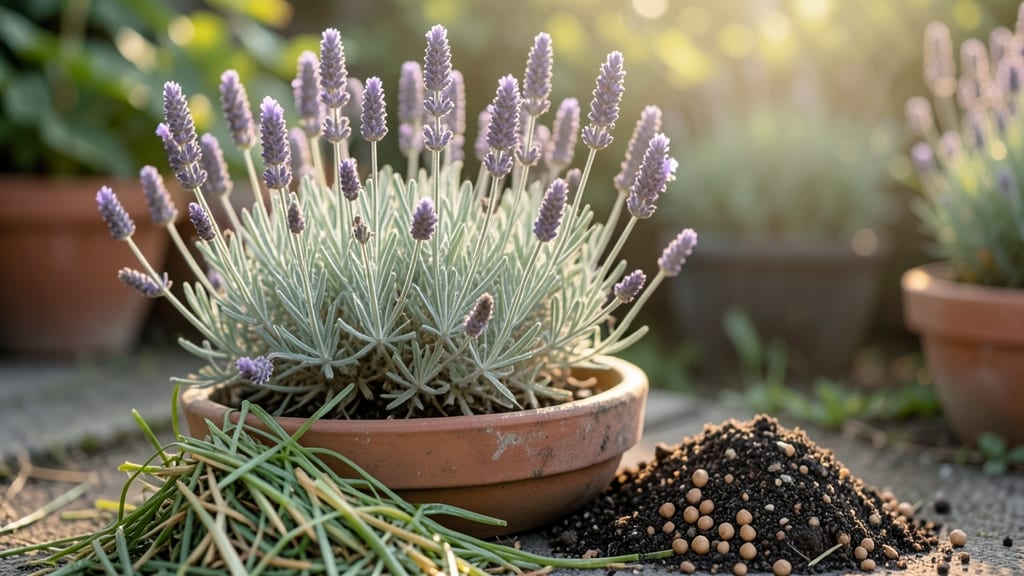
Putting grass clippings in your garden enriches soil with free organic matter that boosts moisture retention, reduces waste, and supports beneficial microbes and worms for stronger plant growth. Always spread them in thin layers and avoid clumps to prevent smothering existing plants.
Grass clippings act like a natural fertilizer because they're about 80% water and 20% dry matter, including nitrogen, phosphorus, and potassium. 🌱 When you spread them thinly, they decompose quickly, feeding soil microbes that break them down into plant-available nutrients.
This process mirrors how compost works but happens faster—perfect for quick soil enrichment without the wait. Just remember: fresh clippings can mat down if left too thick, so mix them into beds or let them dry slightly first for easier handling.
For best results, I recommend applying clippings after mowing when they're still damp but not wet—this prevents clumping. If you're dealing with weeds, let clippings dry for a day first to kill weed seeds before adding them to garden beds.
The key is balance: too much can create thatch, while the right amount turns your lawn waste into a free, nutrient-rich soil booster.
💡 In This Article
- How Grass Clippings Improve Soil Fertility
- Best Practices for Using Grass Clippings in Gardens
How grass clippings improve soil fertility
Grass clippings contain about 1-3% nitrogen by dry weight, making them a natural fertilizer that releases nutrients as they decompose. When you spread them thinly (¼-inch layer), soil microbes break them down within 2-4 weeks, creating a slow-release nutrient boost similar to compost but faster.
This process mimics how natural ecosystems recycle organic matter, feeding earthworms and beneficial bacteria that improve soil structure and aeration.
The nitrogen in clippings (mostly from proteins in grass) converts to ammonium through microbial action, then to nitrate—a form plants can absorb directly.
Unlike synthetic fertilizers that provide immediate but short-lived nutrients, grass clippings release nutrients gradually over weeks, reducing the risk of burning plants. 🌱 Their high potassium content (about 0.5-1% dry weight) also strengthens plant roots and improves drought resistance, while phosphorus promotes flowering and fruiting.
Compared to compost, grass clippings decompose 3-5 times faster because they're finely chopped and exposed to air and moisture. A ½-inch layer of clippings provides roughly the same nitrogen as 1 pound of 10-10-10 synthetic fertilizer per 100 square feet, but without the chemical runoff risks.
The organic matter also improves soil water retention by 20-30%, reducing irrigation needs while keeping roots cool in summer.
One key advantage is their carbon-to-nitrogen ratio (about 20:1), which is ideal for microbial activity. When mixed with soil, they create a balanced environment where beneficial fungi and bacteria thrive, breaking down organic matter into humus—a dark, spongy substance that holds moisture and nutrients.
This contrasts with mulch, which primarily suppresses weeds and retains moisture without actively enriching soil nutrients.
For vegetable gardens, clippings can replace up to 25% of your fertilizer needs when applied correctly. I've seen tomato plants grow 15-20% faster when their beds are topped with clippings weekly, thanks to the steady nitrogen supply.
The organic matter also improves soil tilth (texture), making it easier for roots to penetrate and access nutrients.
What most gardeners don't realize is that clippings also contain trace minerals like calcium and magnesium from grass growth. These minerals become available as the clippings decompose, further enhancing soil fertility. The process creates a self-sustaining cycle where your lawn waste becomes plant food, reducing both waste and fertilizer costs.