
Lawn
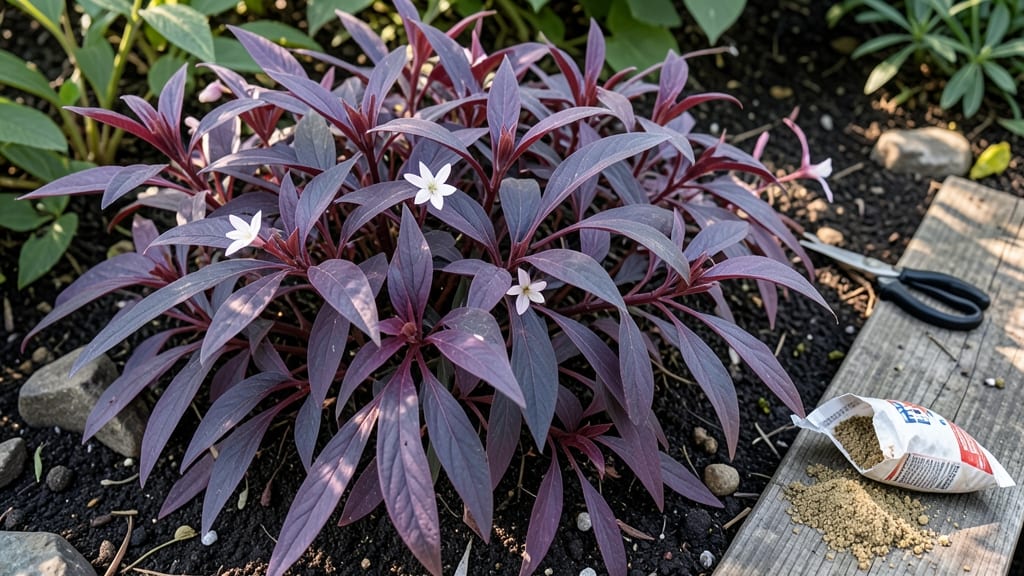
Transforming your sun-drenched yard into a drought-proof purple paradise starts with the right grass-like plants. These ornamental grasses—like Miscanthus sinensis 'Zebrinus' or Pennisetum—bring striking purple hues, feather-like texture, and effortless beauty that thrives where lawns struggle.
Their airy forms sway in the breeze, casting delicate shadows that turn ordinary spaces into textured, low-maintenance masterpieces. The secret lies in their adaptability: these plants handle full sun, poor soil, and minimal water once established, making them perfect for borders, ground cover, or dramatic focal points.
Pair them with silver-blue foliage like Artemisia or deep purple perennials like Salvia for a harmonious, high-impact palette that blooms with seasonal interest. No mowing, no fuss—just year-round elegance.
What you’ll end up with is a landscape that feels alive and intentional, where every plant contributes to a cohesive, purple-dominated vision. The key is choosing varieties that match your climate and design goals—whether you want tall, arching drama or low, spreading ground cover.
Maintenance is simple: trim back in early spring, divide clumps every few years, and watch them flourish with almost no effort. This approach works for urban courtyards, rural borders, or even container gardens—anywhere you want color, movement, and resilience without the upkeep of traditional lawns.
Let’s build a landscape that stays stunning through droughts, heatwaves, and every season in between.
Understanding Unexpected Purple Growth
If you’ve noticed a vibrant purple grass-like plant sprouting in your yard—especially in sunny, dry spots—you’re not alone! While some gardeners welcome this unexpected color, others wonder why it’s appearing where traditional grass struggles.
The truth lies in a mix of environmental triggers, soil conditions, and even plant biology. Let’s break down the key reasons behind this phenomenon.
Purple-tinged grass-like plants often emerge as a response to nutrient imbalances, particularly a lack of nitrogen or phosphorus. Here’s why:
- Nitrogen Starvation: Grass thrives on nitrogen, which gives it that lush green hue. When soil nitrogen is depleted (common in overwatered or heavily trafficked lawns), some plants—like creeping red fescue or purple lovegrass—adapt by producing anthocyanins, pigments that turn leaves purple.
This isn’t just cosmetic; it’s a survival mechanism to reduce water loss and protect cells from stress. - Phosphorus Shortages: Purple hues can also signal phosphorus deficiency, which is crucial for root development and energy transfer in plants.
Without enough phosphorus, growth slows, and pigments shift to conserve resources. - Actionable Fix: Conduct a soil test (available at garden centers or through local extensions) to identify deficiencies. Amend soil with compost, bone meal (for phosphorus), or slow-release nitrogen fertilizers to restore balance.
Purple grass-like plants often dominate in dry, sunny areas because they’re better adapted to water scarcity than traditional turfgrass. Here’s the science:
- Water Conservation Mode: Many drought-tolerant grasses (like buffalo grass or purple moor grass) naturally produce anthocyanins to reduce water loss through transpiration.
The purple pigment acts like sunscreen, shielding leaves from intense UV rays that would otherwise dry them out. - Shallow Root Systems: Some grasses have shallow roots, making them vulnerable to drought.
Purple varieties often have deeper or more efficient root structures, allowing them to access moisture deeper underground. - Actionable Fix: If you’re dealing with a purple takeover, consider deep watering (1–2 times per week) to encourage deeper root growth in your existing grass.
For drought-prone areas, mulch heavily to retain moisture and reduce competition.
Full sun (6+ hours daily) can turn grass purple if it’s not the right variety. Traditional lawn grasses like Kentucky bluegrass or tall fescue struggle in intense heat and UV radiation, leading to stress responses:
- Photoinhibition: Too much sunlight can damage chlorophyll, the green pigment responsible for photosynthesis. As chlorophyll breaks down, anthocyanins take over, giving leaves a purple or reddish tint. - Heat Shock: High temperatures (above 90°F) disrupt cellular functions, causing grass to produce protective pigments.
Some grasses, like purple needlegrass, are heat-adapted and thrive in these conditions. - Actionable Fix: If your lawn is mostly purple in sunny spots: - Switch to sun-loving grasses like zoysia, buffalo grass, or fine fescue, which handle heat better. - Provide afternoon shade with trees or shade cloth if possible. - Avoid mowing too short (keep at 3–4 inches) to protect roots and reduce heat stress.
Not all purple grass-like plants are weeds—some are native or drought-resistant species that outcompete traditional lawn grass. Common culprits include:
| Plant | Why It Turns Purple | How to Manage It |
|---|---|---|
| Creeping Red Fescue | Adapts to poor soil, drought, and shade | Overseed with shade-tolerant grass varieties |
| Purple Lovegrass | Thrives in sandy, nutrient-poor soil | Hand-pull or apply pre-emergent herbicide |
| Buffalo Grass | Naturally drought-resistant with deep roots | Mow regularly to suppress spread |
| Purple Moor Grass | Prefers wet or dry conditions, spreads aggressively | Smother with cardboard/mulch or solarize |
- Actionable Fix: If you want to eliminate unwanted purple invaders:
- Hand-pull young plants before they seed.
- Apply a selective herbicide (like triclopyr) for tougher species.
- Improve soil health to give your desired grass a fighting chance.
Soil pH and chemical treatments can also trigger purple hues in grass:
- High Soil pH (Alkaline): Locks out essential nutrients like iron and manganese, leading to chlorosis (yellowing) followed by purple tones as the plant struggles.
- Herbicide Damage: Post-emergent herbicides (like 2,4-D) can stress grass, causing purple discoloration as a side effect.
- Actionable Fix:
- Test soil pH (ideal range: 6.0–7.0 for most grasses).
- Lower pH with sulfur (for alkaline soil) or raise it with lime (for acidic soil).
- Avoid over-applying herbicides; opt for spot treatments instead of broad applications.
In some cases, purple grass-like plants aren’t a problem—they’re evolving to dominate your landscape! Here’s how:
- Weed Suppression: Purple grasses often outcompete weak or dying turfgrass by growing faster in poor conditions. - Seed Spread: Many varieties (like purple top grass) spread via seeds, colonizing bare spots where traditional grass fails. - Actionable Fix: If you like the low-maintenance, drought-proof look, embrace it!
Otherwise, reseed with a competitive mix (like tall fescue or ryegrass) in early fall for best results.
Pro Tip: 💡 If your purple grass-like plant is soft, non-woody, and spreads easily, it might be a desirable ground cover—not a weed! Consider keeping it in high-traffic or dry areas where traditional grass struggles.
Fixing Your Purple Ground Cover
If your purple grass-like plant isn’t thriving—or worse, is struggling to survive—don’t panic! With the right care, you can revive its lush, vibrant look and keep it drought-resistant for years. Below are practical, step-by-step solutions tailored to common issues, plus prevention tips to avoid future headaches.
Signs: Yellowing leaves, moldy soil, or a soggy, mushy base.
How to Fix It: 🔥 Drain the Damage – Let the soil dry out completely before watering again. If the roots are waterlogged, gently loosen the soil around the plant with your fingers or a small trowel to improve airflow.
🍳 Adjust Your Watering Routine – Purple ground covers (like Tradescantia pallida or Liriope muscari) thrive on infrequent, deep watering. Water only when the top 1–2 inches of soil are dry—usually once a week in warm climates, less in cooler months.
👨🍳 Upgrade Your Drainage – If your garden bed retains too much moisture, amend the soil with coarse sand, perlite, or gravel to create better drainage. For containers, ensure pots have drainage holes.
⏰ Prevention Tip: 💡 Water in the morning to reduce evaporation and fungal risks. Use a soaker hose or drip irrigation to deliver water directly to the roots without oversaturating the surface.
Signs: Crispy, brown edges, drooping leaves, or a dusty, brittle appearance.
How to Fix It: 🔥 Rehydrate Gradually – Give the plant a deep drink by watering slowly until water seeps out the drainage holes (if potted). For in-ground plants, water until the soil 6 inches deep is moist.
🍳 Mulch Like a Pro – Spread 2–3 inches of organic mulch (like shredded bark or straw) around the base to lock in moisture and regulate soil temperature.
👨🍳 Check Soil Type – If your soil drains too quickly (sandy), mix in compost or coconut coir to retain moisture. For clay-heavy soil, add sand or peat moss to improve aeration.
⏰ Prevention Tip: 🌡️ Group plants with similar water needs together to simplify care. Install a rain gauge to track natural rainfall and adjust accordingly.
Signs: Bleached or white patches on leaves, leaf drop, or a "fried" appearance.
How to Fix It: 🔥 Provide Shade Relief – If your plant is in full, harsh sunlight, move it to a spot with morning sun + afternoon shade (e.g., under a tree or near a fence). Use a lightweight shade cloth (30–50%) if relocating isn’t an option.
🍳 Boost Hydration – Sun-stressed plants need more frequent watering during heatwaves. Water early in the day to reduce evaporation.
👨🍳 Fertilize for Resilience – A balanced, slow-release fertilizer (like 10-10-10) can help the plant recover. Avoid high-nitrogen fertilizers, which promote leafy (but sun-sensitive) growth.
⏰ Prevention Tip: 🎯 Choose the right variety—some purple ground covers (like Ophiopogon japonicus) tolerate more sun than others. Test a small section first if unsure!
Signs: Black, brown, or white spots on leaves; powdery residue; or leaves turning slimy.
How to Fix It: 🔥 Prune the Problem – Snip off affected leaves with clean scissors, then dispose of them in the trash (not compost). Avoid wetting foliage when watering.
🍳 Fungicide Treatment – Spray with a copper-based fungicide or a baking soda solution (1 tsp baking soda + 1 quart water + a drop of dish soap). Reapply every 7–10 days until the issue clears.
👨🍳 Improve Airflow – Thin out nearby plants to reduce humidity around your ground cover. If potted, consider spreading out containers to prevent crowding.
⏰ Prevention Tip: ✨ Water at the base (not overhead) and avoid overhead sprinklers. Space plants 12–18 inches apart for better airflow.
Signs: Roots circling the pot, slow growth, or plants leaning toward light.
How to Fix It: 🔥 Repot or Divide – If roots are circling, gently remove the plant, tease apart the roots, and repot in fresh, well-draining soil. For in-ground plants, dig up clumps, separate them, and replant.
🍳 Upgrade the Container – If potted, choose a container 2–3 inches larger in diameter with drainage holes. Use a fast-draining mix (60% potting soil, 30% perlite, 10% compost).
👨🍳 Fertilize Lightly – After repotting, use a half-strength liquid fertilizer to avoid shocking the roots.
⏰ Prevention Tip: 💡 Repot every 2–3 years or when roots fill the container. For in-ground plants, divide clumps every 3–4 years to prevent overcrowding.
Signs: Holes in leaves, webbing, aphids, or a sticky sap (honeydew).
How to Fix It: 🔥 Blast Off Pests – Spray plants with a strong stream of water to dislodge aphids or spider mites. Repeat every few days for a week.
🍳 Neem Oil Solution – Mix 1 tbsp neem oil + 1 tsp mild soap + 1 quart water and spray evenly on both sides of leaves. Reapply every 5–7 days.
👨🍳 Encourage Beneficial Insects – Attract ladybugs or lacewings by planting marigolds or dill nearby—they’ll feast on pests naturally.
⏰ Prevention Tip: 🎯 Inspect new plants before bringing them home. Quarantine new additions for a week to catch infestations early.
- Trim Back – Cut 1/3 of the plant to encourage bushier, healthier growth. - Feed It Right – Use a low-nitrogen, high-phosphorus fertilizer (like 5-10-10) to strengthen roots. - Test Your Soil – A pH test kit ($10) helps determine if your soil is too acidic or alkaline (ideal range: 6.0–7.0 for most purple ground covers). - Be Patient – Recovery takes 4–6 weeks.
Avoid over-fussing—consistency is key!
Frequently asked questions
What are the best purple grass-like plants for full sun gardens?
Top choices for sun-loving landscapes include Miscanthus sinensis 'Zebrinus' (with striking purple stems) and Pennisetum 'Purple Majesty'. For lower-growing options, try Carex 'Purple Haze' or Liriope muscari 'Big Blue', which thrive in 6+ hours of direct sun. These varieties maintain their color intensity while requiring minimal water once established.
Can purple ornamental grasses survive winter in cold climates?
Most purple grass-like plants are hardy to USDA zones 5-9, meaning they can handle winter temperatures down to -10°F to 20°F. Varieties like Panicum virgatum 'Northwind' (purple-tinged) and Calamagrostis 'Karl Foerster' (with purple stems) are excellent cold-weather performers. Simply cut back dead foliage in early spring to encourage fresh growth.
How do I prevent my purple grass-like plants from spreading too aggressively?
To control spreading varieties like Carex or Liriope, plant them in containers with drainage holes or install underground barriers (like plastic edging) to contain roots. For in-ground plants, divide clumps every 3-4 years in early spring. Regular trimming also helps maintain shape and slows lateral spread.
What plants pair well with purple grass-like varieties for maximum visual impact?
For a cohesive look, combine purple grasses with silver foliage (like Artemisia 'Powis Castle') or deep blue perennials (such as Salvia nemorosa). Yellow blooms from Coreopsis or Rudbeckia create stunning contrast. These combinations work beautifully in borders, containers, or as dramatic focal points in mixed beds.
Do purple grass-like plants attract wildlife or beneficial insects?
Many varieties provide habitat for butterflies, bees, and birds. Plants like Pennisetum and Miscanthus offer seeds for finches and sparrows, while their feathery plumes create shelter. Avoid pesticides to maximize wildlife benefits—these plants are naturally low-maintenance and ecologically friendly.