
Lawn
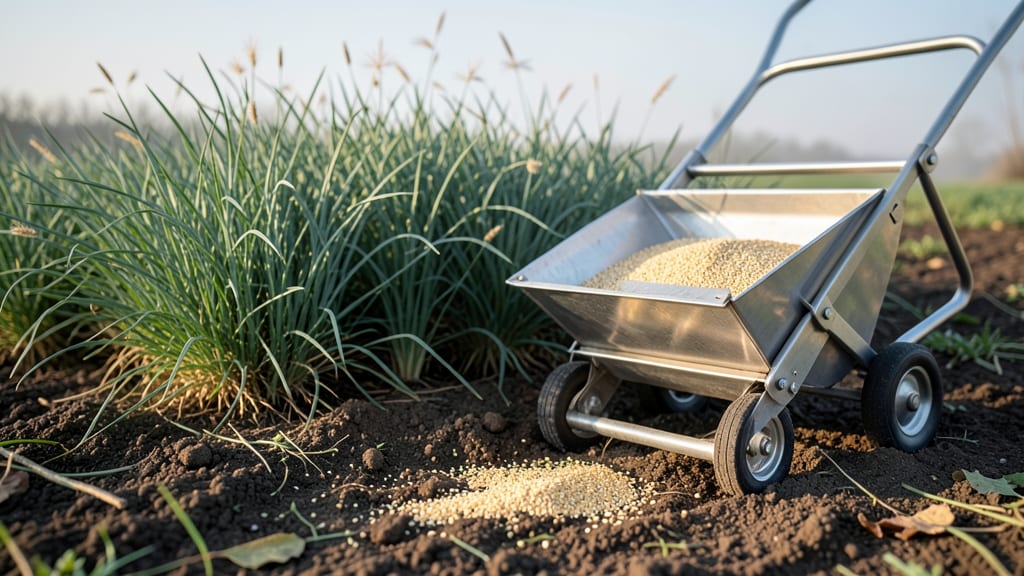
Putting grass seed down in fall is your secret to a thicker, greener lawn by next spring—when cooler temps and steady rain help young sprouts thrive without summer’s stress. 🌱 I’ve overseeded my lawn in fall for three years now, and each time, the results are noticeably better than spring planting.
Timing is everything: aim for late summer to early fall, when daytime highs hover in the 60s to 70s and nights dip into the 50s. This gives seeds 6-8 weeks of ideal growing conditions before winter slows things down.
Regional adjustments matter—northern climates can seed later, while southern areas should start earlier to avoid frost.
Prep is where most people trip up. Start with a soil test to check pH (aim for 6.0-7.0), then mow low and rake away debris. Choose a cool-season grass like tall fescue or Kentucky bluegrass for your zone, then spread seed evenly.
Water lightly twice daily for the first two weeks—just enough to keep the soil damp, not soggy.
The payoff comes in spring, when neighbors ask how you got such a lush lawn. Avoid common mistakes like overseeding too late, skipping soil prep, or letting the seedbed dry out.
With the right timing and care, fall planting gives you a head start on a lawn that stays thick, vibrant, and resilient all season.
📚 In This Guide
- What you need
- Instructions
- Tips and common mistakes
- Wrapping up and next steps
What you need
- ● Grass seed: Choose a cool-season variety (e.g., tall fescue, Kentucky bluegrass, or perennial ryegrass). Aim for 5–10 lbs per 1,000 sq ft, depending on your lawn’s condition (bare spots may need more).
- ● Lawn fertilizer: A starter fertilizer (high in phosphorus, like 5-10-10) to promote root growth. Use ½ lb of nitrogen per 1,000 sq ft.
- ● Rake: A bow rake (for leveling) and a stiff-bristle garden rake (to loosen soil and remove debris).
- ○ Soil tester kit: Optional but helpful to check pH (ideal range: 6.0–7.0 for cool-season grasses).
- ● Water source: A hose with a sprinkler head or garden hose (with adjustable nozzle for gentle watering).
- ● Mulching hay or straw: ¼-inch layer to protect seeds from drying out and birds (avoid dyed or treated varieties).
- ● Seed spreader: A broadcast or drop spreader for even distribution (manual or push-type).
- ● Soil amendments: Compost or peat moss to improve soil texture if needed.
- ● Lawn roller: Lightweight (50–100 lbs) to press seed into soil gently.
- ● Weed barrier fabric: If overseeding in areas with heavy weed pressure.
- ● Rain gauge or timer: To track watering consistency (aim for ¼–½ inch per day for the first 2 weeks).
Step-by-Step guide to planting grass seed in fall
Fall is the perfect time to grow a lush lawn—here’s how to do it right.
🪴 Step 1: Prepare the Soil for Optimal Seed Contact
Start by mowing your existing grass as short as possible—about ½ inch—to create a clean surface for new seeds. Remove any debris, leaves, or weeds using a rake or leaf blower, as these can block sunlight and moisture from reaching the soil. If your lawn is uneven, use a rake to level it out gently, creating a smooth bed for the seed.
For bare spots or new areas, loosen the top ¼ inch of soil with a rake or a garden fork. This helps seeds make direct contact with the soil, which is crucial for strong germination. If your soil is compacted, aerate it lightly to improve water and air penetration. The goal is to create a fine, crumbly texture—like crumbled cake—so seeds can settle naturally.
🌱 Step 2: Choose the Right Seed and Apply Evenly
Select a high-quality grass seed blend suited to your climate and sun exposure. For cool-season grasses (like Kentucky bluegrass or fescue), fall planting is ideal because cooler temperatures reduce weed competition and encourage deep root growth. Sprinkle the seed evenly over the prepared area using a broadcast spreader or by hand—aim for about ½ pound per 100 square feet for most grasses.
Walk in a crisscross pattern to ensure even coverage, especially around edges and corners where seeds tend to pile up. Avoid overseeding too heavily, as thick layers can smother seeds and prevent proper soil contact. Lightly rake the area again to press seeds into the soil without burying them—just enough so they’re covered by ¼ inch of dirt or mulch.
💧 Step 3: Water Gently and Consistently for Germination
Water the seeded area immediately after planting to settle the seed into the soil. Use a gentle spray or fine mist to avoid displacing seeds, and keep the top ¼ inch of soil moist but not soggy. For the first 2 weeks, water lightly every day—just enough to keep the soil damp. Overwatering can wash seeds away or cause them to rot before they sprout.
Once seedlings appear (usually within 7-14 days), reduce watering to twice daily—early morning and late afternoon—to encourage deep root growth. Avoid heavy water pressure, as it can damage tender new shoots. You’ll know you’re doing it right when the soil feels like a damp sponge, not a mud puddle.
☀️ Step 4: Protect New Growth and Maintain Moisture
After seeds germinate, keep the area free of foot traffic for at least 4-6 weeks to prevent damage to delicate roots. If birds or wildlife are a concern, cover the area with a lightweight straw mulch (about ¼ inch thick) to shield seeds while allowing sunlight and water to penetrate. This also helps retain moisture, especially in windy or dry conditions.
Monitor the lawn for weeds—pull them by hand as soon as they appear, before they compete with grass seedlings for nutrients. Once the new grass reaches 2-3 inches tall, you can gradually reduce watering to once daily and begin mowing with a sharp blade set to 3 inches to encourage a thick, healthy stand.
⏰ Step 5: Transition to Regular Lawn Care
After 6-8 weeks, your new grass should be well-established. At this point, switch to a regular watering schedule of 1 inch per week, either from rainfall or irrigation. Apply a slow-release fertilizer designed for new lawns to support root development, but avoid heavy applications until the grass is fully mature.
Continue mowing at 3 inches to maintain a strong root system and reduce weed growth. Fall is also the perfect time to overseed thin areas—just repeat the process on any bare patches to fill them in before winter. With consistent care, your lawn will thicken and strengthen, ready to handle spring’s challenges.
Tips & tricks for perfect fall grass planting
Here's what I've learned after watching three lawns transform with these key moves.
The Soil Prep Secret: In Step 1, when you're loosening that top ¼ inch of soil, don't just scratch the surface—aim for a texture like crumbled cake. This creates tiny air pockets that help seeds breathe and sprout faster. I've found that using a garden fork works best for compacted areas, as it breaks up the soil without disturbing the seed bed too much.
Seed Application Strategy: For Step 2, I recommend walking in a crisscross pattern when spreading seed—it's the only way to guarantee even coverage, especially around those tricky edges. After spreading, use a stiff broom or leaf rake to lightly press seeds into the soil. This ensures good soil contact without burying them too deep, which is crucial for germination.
Watering Wisdom: During the critical 2-week watering phase in Step 3, I've learned to check soil moisture by lifting a small patch of grass—if it feels dry 1 inch down, it's time to water again. The key is keeping that top ¼ inch consistently damp, not soggy. I set a timer for 10 minutes of light watering each morning to avoid overdoing it.
Protecting New Growth: When you're covering seeds with straw mulch in Step 4, make sure it's only about ¼ inch thick. Thicker layers can smother seeds and prevent sunlight from reaching them. I've also found that placing a lightweight landscape fabric over the mulch helps deter birds while still allowing water and air to penetrate.
Pro Tips for Putting Grass Seed Down In Fall
- Here's what I've learned after watching three lawns transform with these key moves.
- The Soil Prep Secret: In Step 1, when you're loosening that top ¼ inch of soil, don't just scratch the surface—aim for a texture like crumbled cake.
- Seed Application Strategy: For Step 2, I recommend walking in a crisscross pattern when spreading seed—it's the only way to guarantee even coverage, especially around those tricky edges.
Frequently asked questions
When is the exact best time to plant grass seed in the fall?
The ideal window is 4-6 weeks before the first hard frost (typically late August to early October in most U.S. regions). Cool nights (50–65°F) and warm days (70–80°F) create perfect germination conditions. Check your local frost dates or consult a USDA Plant Hardiness Zone Map for precision.
How long does it take for fall grass seed to germinate?
Germination usually takes 7–21 days, depending on grass type, soil temp, and moisture. Cool-season grasses (like fescue or ryegrass) sprout faster in fall’s mild weather than in spring’s heat. Keep soil consistently moist (not soggy) to speed up the process—think of it like nurturing a baby plant!
Do I need to water daily after planting?
Yes! Water lightly but frequently—about ¼ inch per day—for the first 2 weeks to keep seeds moist. After germination, taper to ½–1 inch per week, focusing on deep roots. A sprinkler on a timer or morning watering (to avoid fungal risks) works best. Pro tip: Use a rain gauge to track amounts!
Will squirrels or birds eat my grass seed? How do I protect it?
Scatter seed lightly (¼ lb per 100 sq ft) and cover it with ¼ inch of soil or straw to deter critters. For stubborn pests, try a chicken wire barrier or plant near bird feeders to distract them. Avoid over-seeding—thin layers are harder to spot and steal!
Can I overseed an existing lawn in the fall?
Yes! Fall is perfect for overseeding thin or patchy lawns. Mow short (1–1.5 inches), rake to loosen soil, and spread seed evenly. Use a lawn spreader for consistency. Cool-season grasses blend beautifully with existing turf, filling bare spots naturally.
What if frost hits before my seed germinates?
Don’t panic! Frost won’t kill seeds—it just pauses germination. Wait until spring to resume watering, and seeds may still sprout when temps warm. For a head start, plant perennial ryegrass (fastest germinator) in early fall, as it tolerates light frost better than others.
Wrapping up and next steps
Fall is the perfect time to sow grass seed—cooler temps and gentle rains create ideal conditions for strong germination and root growth. 🌱 By following the right steps—prepping soil, choosing quality seed, and keeping moisture consistent—you’ll set your lawn up for a lush, resilient spring.
Don’t wait: now’s your chance to transform a patchy yard into a vibrant green space!
Ready to take action? Grab your supplies, mark your calendar, and get planting before the first frost! Your future lawn will thank you.