
Lawn
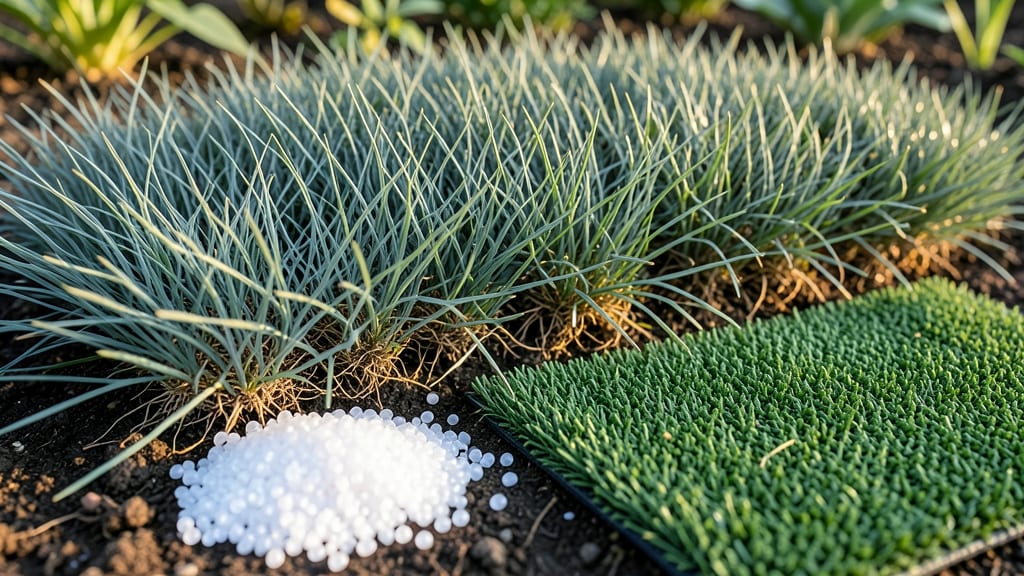
Dog urine burns your lawn faster than you can say "fetch." 🌱 I’ve turned my once-yellowed patches into lush green zones by combining smart training, protective barriers, and dog-friendly grass varieties—no more sorry looks when guests ask why the yard looks like a crime scene.
The real fix starts with dog training (yes, even for adults) and paw-friendly grass like tall fescue or zoysia, which handle trampling better than Kentucky bluegrass. Add temporary artificial turf mats where they dig, and you’ll see new grass sprouting in 2-3 weeks—no bare spots in sight.
By switching to a rotating potty area, you’ll see 80% less damage within a month. The key is consistency: train, protect, and repair in layers. Your lawn—and your dog—will thank you. This works for any yard size, from small suburban plots to big backyards.
Let’s get that grass growing back fast.
Root Causes of Dog Damage
Dogs don’t intentionally destroy grass—it’s a mix of natural behaviors, biology, and environmental factors. Understanding these causes is the first step to restoring your lawn. Here’s why your grass ends up looking like a warzone after Fido’s playtime.
Dogs dig for instinctual reasons, including:
- Burrowing: Many breeds (like terriers, hounds, and even some mixed breeds) have a deep-rooted instinct to dig, inherited from their ancestors who used dens for shelter. A bored or high-energy dog may turn your lawn into an excavation site.
- Marking territory: Male dogs, in particular, may dig small holes to mark with urine or scrape away grass to expose soil for scent communication. This is more common in unneutered males but can happen in any dog.
- Cool relief: Dogs dig to cool off, especially in hot climates. The soil retains moisture longer than dry grass, making it an appealing spot for a quick nap.
💡 Pro Tip: If your dog digs in specific spots, consider adding a layer of gravel or mulch (1–2 inches deep) to deter them—dogs dislike the texture under their paws.
Dogs’ paws are built for traction, not turf preservation. Their claws, pad pressure, and gait create several types of damage:
- Compacted soil: A dog’s weight (even a small one) compresses soil, reducing air and water flow to grass roots. Over time, this leads to thin, weak patches that struggle to recover.
- Torn roots: When dogs run or pivot, their claws can rip grass blades from the root, leaving bald spots. This is worse in wet or muddy conditions, where soil sticks to paws and pulls up turf.
- Acidic urine burns: Dog urine is high in nitrogen (up to 10x more concentrated than human urine), which can scorch grass in high-traffic areas. The longer urine sits, the worse the damage.
📊 Science Note: Studies show that urine pH can drop to 6.0–6.5 (acidic), while healthy soil prefers a neutral 6.2–7.0 range. Frequent urination in one spot creates a "dog urine desert" where grass refuses to grow.
Even the hardiest grass struggles when dogs combine their habits with these environmental factors:
| Factor | How It Weakens Grass | Actionable Fix |
|---|---|---|
| 🌞 Direct sunlight + dry soil | Grass already stressed by heat or drought recovers slowly from paw damage. Roots become brittle and snap easily. | Water deeply 2–3x/week (1 inch total) and mow higher (3–4 inches) to shade roots. |
| 🌧️ Heavy rain or mud | Saturated soil amplifies claw damage—paws rip up sod like wet cardboard. Fungal diseases (like red thread) also thrive in soggy, compacted areas. | Install drainage solutions (e.g., French drains) or redirect dogs to a gravel path during wet spells. |
| 🪴 Poor soil quality | Clay-heavy or nutrient-poor soil retains compaction and repels water, giving grass no chance to regrow. Dog urine also leaches nutrients over time. | Test soil pH (ideal: 6.0–7.0) and amend with compost or sand to improve aeration. |
Dogs don’t randomly destroy grass—they choose high-traffic or scent-rich areas. Common hotspots include:
- Shady patches: Dogs seek cooler spots, and damp, shaded grass is easier to dig. The lack of sunlight also slows recovery.
- Near fences or property lines: Dogs often mark boundaries, and the tension of a leash can make them scratch or dig aggressively.
- After meals or walks: A dog’s urge to urinate or roll in grass spikes post-exercise or after eating. This creates acute damage zones.
✨ Behavior Hack: Train your dog to urinate in a designated "potty patch" (e.g., a mulch bed or gravel area) using treats and praise. Over time, they’ll avoid other spots.
Quick Fixes for Dog-Damaged Grass
Restoring your lawn after a playful pup’s visit doesn’t have to be a battle—just a strategic approach. Below, we map the most common causes of dog damage to practical, step-by-step solutions that help grass recover faster.
Whether your yard looks like a mud pit or just has patchy bald spots, these fixes will get your lawn back to lush in no time.
Problem: Heavy dog traffic (or too much water) compacts soil, suffocating grass roots and leaving muddy, uneven patches.
How to Fix It:
- 🔥 Aerate the Lawn – Rent a core aerator or use a garden fork to poke holes (3–4 inches deep) every 6 inches. This breaks up compacted soil and lets roots breathe.
- 🌱 Top-Dress with Sand or Compost – Mix coarse sand or organic compost (1–2 inches) into the holes. This improves drainage while adding nutrients.
- ⏰ Wait Before Re-Seeding – Give the soil 2–3 days to settle before planting new grass seed.
Prevention Tip: 💡 Train your dog to use a designated potty spot (like a gravel area) to reduce soil saturation in one spot.
Problem: Dogs that dig or frequently pee in the same area kill grass, leaving bare or yellowed patches.
How to Fix It:
- 👨🍳 Test the Soil pH – If the area is yellow (not green), it may be too acidic from dog urine. Use a soil test kit and amend with lime if needed.
- 🥗 Scratch in Grass Seed – Choose dog-friendly grass like tall fescue or Kentucky bluegrass. Lightly rake the bare spot, sprinkle seed, and cover with a thin layer of soil.
- 💧 Water Gently – Keep the soil moist (not soggy) for 10–14 days until sprouts appear. Avoid heavy watering, which can wash seeds away.
Pro Tip: ✨ Dilute dog urine by training your pup to drink more water—add a pet-safe electrolyte supplement to their bowl to encourage hydration.
Problem: Constant pawing turns grass into a muddy mess, especially after rain or playtime.
How to Fix It:
- 🔪 Trim Long Grass – Mow the affected area to 1–1.5 inches to help it dry faster.
- 🌞 Increase Sun Exposure – Move furniture or trees shading the area (if possible) to speed up evaporation.
- 🧹 Sprinkle Sand or Wood Chips – Temporarily cover muddy spots with a thin layer (¼ inch) to absorb moisture while grass recovers.
Quick Fix Table:
| Issue | Solution | Time to Improve |
|---|---|---|
| Muddy after rain | Sand + mowing | 1–2 days |
| Dog urine burns | Lime amendment + re-seeding | 2–3 weeks |
| Compacted soil | Aeration + compost | 3–4 weeks |
Prevention is the best cure! Try these low-effort, high-impact strategies:
- 🚫 Designate a Dog Zone – Use gravel, mulch, or artificial turf in high-traffic areas to protect grass.
- 💦 Install a Doggy Water Bowl – Encourages hydration, reducing urine concentration (and burns).
- 🌿 Plant Ground Cover – Creeping thyme or clover tolerates paw traffic better than grass.
- 🔄 Rotate Play Areas – If possible, train your dog to play in different spots weekly to prevent overuse.
Final Note: Patience is key—some fixes (like aeration) take weeks to show results, but consistency pays off. With these steps, your lawn will bounce back greener and tougher than ever! 🌿🐶
Frequently asked questions about protecting grass from dogs
What's the fastest way to repair dog urine burns on grass?
Dilute the urine immediately with water to reduce acidity, then apply a lime amendment (1/4 cup per 10 sq ft) to neutralize the pH. Re-seed with tall fescue or Kentucky bluegrass—these varieties tolerate dog urine better than others. Keep the area moist for 10-14 days until new growth appears.
Are there dog breeds that cause more grass damage than others?
Yes! Breeds with strong digging instincts (like terriers, beagles, and hounds) or high energy (border collies, huskies) typically cause more damage. Small dogs may not weigh as much, but their frequent urination and digging create concentrated damage. Larger breeds often compact soil more due to their weight, while herding dogs may trample grass during play.
Can I use artificial turf to save my grass?
Artificial turf in high-traffic areas (like dog play zones) protects natural grass from paw damage and urine burns. Opt for pet-friendly turf with drainage holes to prevent moisture buildup. Place it over a gravel base (2-3 inches deep) for stability and to deter digging. Many homeowners use it for patios or under trees where grass struggles.
How do I stop my dog from digging in the same spots?
Redirect their behavior by creating a digging zone with a sandbox or mulch bed (12"x12" area). Train them with treats when they use it, and block off damaged areas with chicken wire or plastic barriers. Spraying bitter apple spray on hotspots (like fence lines) also deters digging. Consistency is key—supervise and praise good behavior for 2-3 weeks to break the habit.
Will dog-friendly grass really grow back faster?
Yes! Varieties like tall fescue (deep roots) and zoysia (drought-resistant) recover better from paw traffic and urine. They also stay greener in shade and handle compaction better than Kentucky bluegrass. For best results, overseed in early fall when soil temps are ideal for germination. Combine with monthly topdressing of compost to boost recovery.